
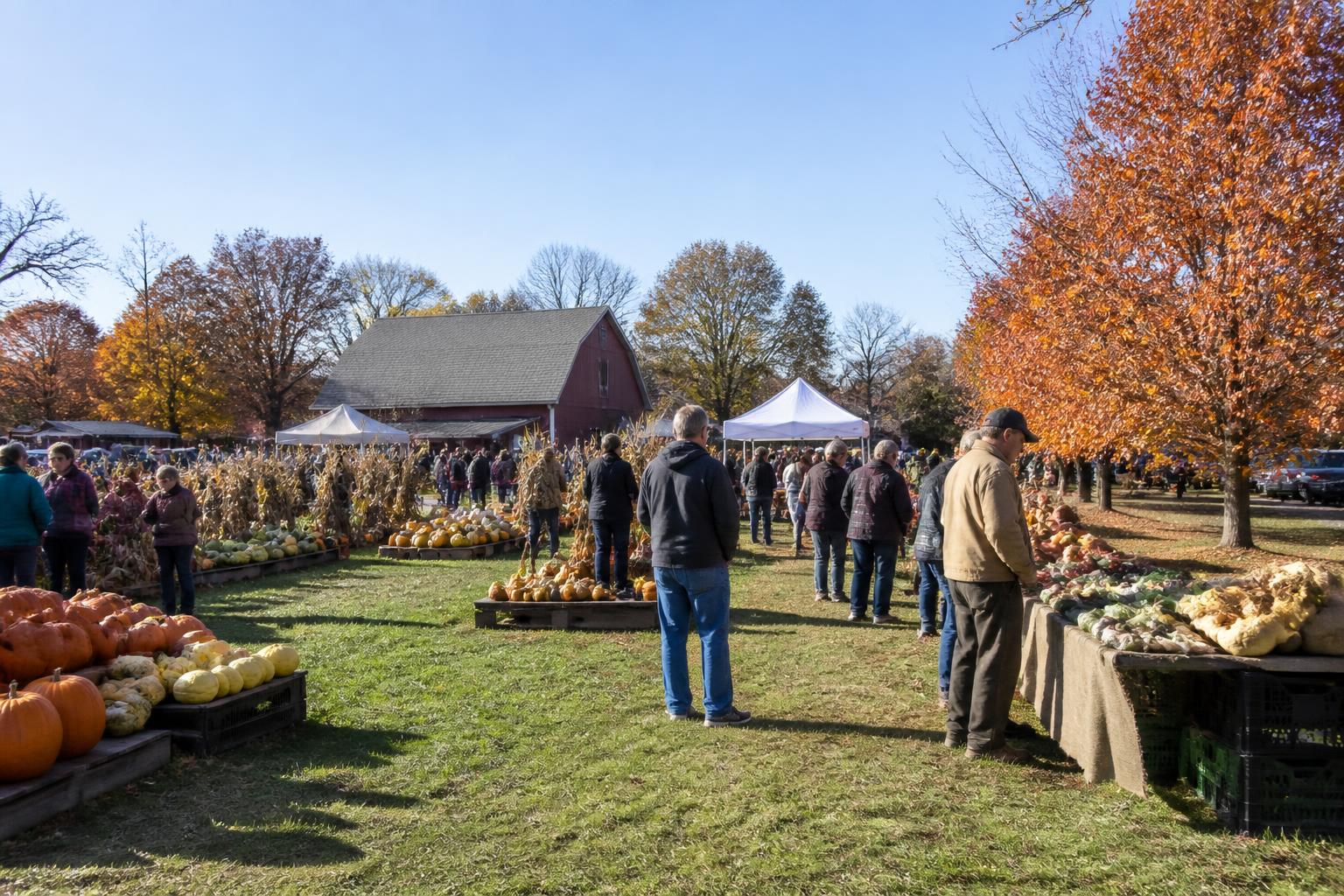
As the fall season progresses in Rhode Island, producers and agribusinesses are shifting their focus toward final harvest activities and winter preparation. Managing the logistical flow of goods during this busy window requires careful attention to both road safety and the timing of local distribution channels, as transport corridors often experience heightened activity during the harvest months.
For many operators across the state, the current environment presents a mix of challenges and opportunities. From the expansion of protected growing environments, such as high tunnel projects, to the ongoing focus on soil and water resource management, Rhode Island farmers are increasingly leaning into sustainable production methods to enhance output. These investments are essential for maintaining the momentum seen in regional food systems, where demand for locally grown products remains a staple of the New England market.
Infrastructure and Regulatory Considerations
Agribusinesses are currently navigating evolving regulatory landscapes, particularly concerning inputs and land management. As states in the Northeast continue to debate policies surrounding soil amendments and the presence of synthetic materials like PFAS in biosolids, operators must remain vigilant about their supply chain choices. Maintaining compliance while sourcing fertilizers and other inputs is becoming a critical operational pillar for the modern Rhode Island farm.
Furthermore, staying informed about available grant support and local market trends can provide a necessary buffer against rising operational costs. Whether through state-backed initiatives or federal research funding, securing resources for infrastructure improvements is a proactive step toward building long-term business resilience in a competitive agricultural landscape.
Logistics for the Season Ahead
With the harvest well underway, transport logistics remain at the forefront of the Rhode Island agricultural strategy. Whether moving produce to local farmers' markets or coordinating with regional food hubs, the efficient use of road networks is vital. It is a timely reminder for all transporters to prioritize road safety as farm equipment and heavy logistics vehicles share the state's roadways during these high-traffic months.
Managing fall logistics and market realities requires a disciplined approach to inventory control and labor scheduling. As labor needs fluctuate throughout the season, maintaining a clear line of communication with seasonal workers and logistics partners helps avoid bottlenecks that can disrupt the delicate supply chain of perishable goods.
What it means for the market
For the Rhode Island agricultural community, this fall is characterized by a drive for operational efficiency. By leveraging available state resources and staying ahead of regulatory shifts, farmers and logistics managers can better insulate themselves from market volatility. Focusing on the stability of local distribution channels and infrastructure readiness will be key to finishing the season strong and preparing for the winter transition.
Comments
No comments yet - be the first to share your take.