
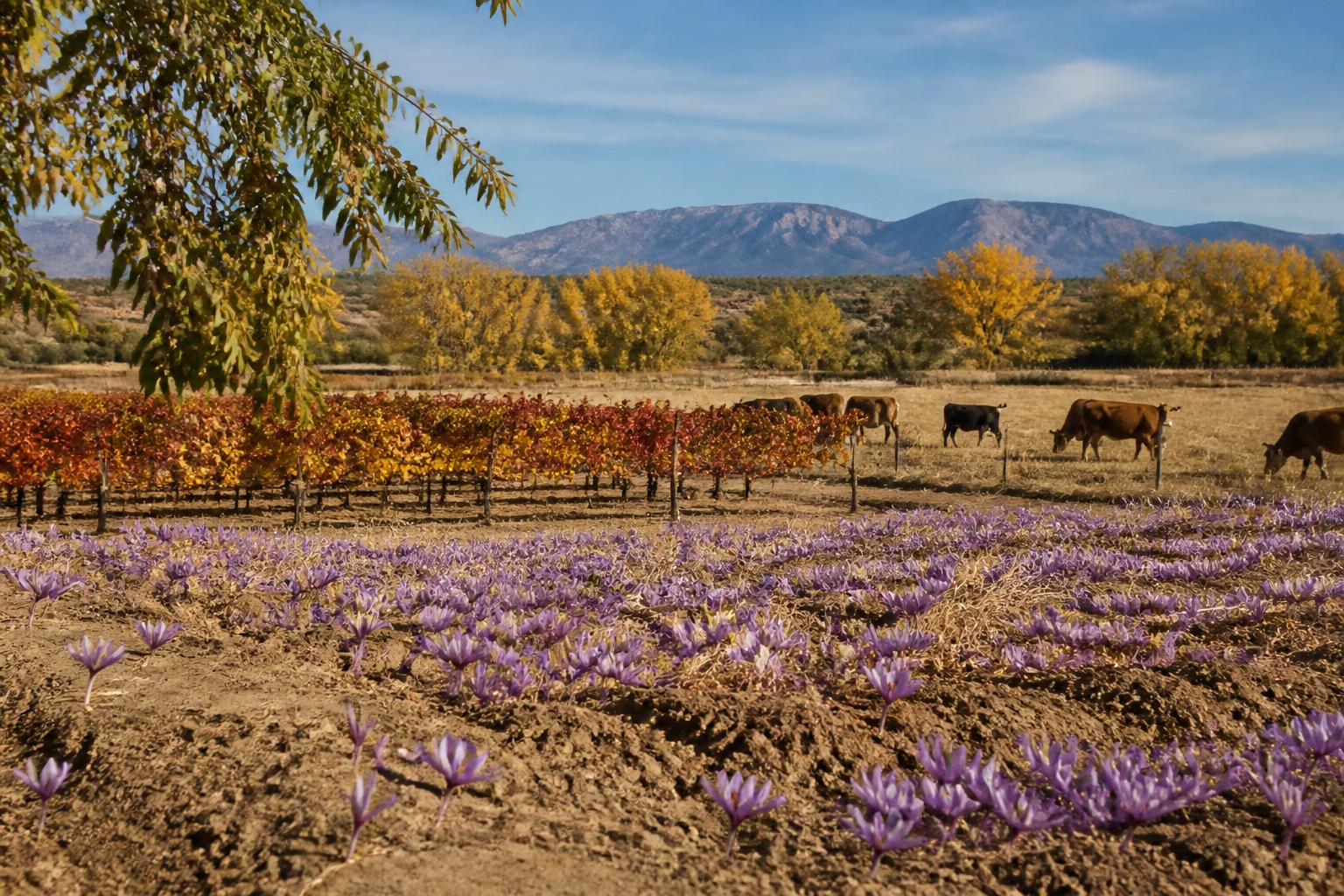
As we move through the heart of the fall harvest season in New Mexico, producers are balancing traditional staple crops with an increasing interest in non-traditional diversification. From the northern regions where field days at NMSU Alcalde have highlighted potential in specialty fruit production, to the wider adoption of high-value crops like saffron, growers are looking for ways to maximize returns per acre in an evolving market.
These shifts come at a time when traditional segments, such as the pecan industry, are keeping a close eye on seasonal growth conditions. Reliable logistics and input stability remain critical factors for producers managing the current volatility in the supply chain. Ensuring that harvest-ready commodities can move efficiently to local or export markets remains a priority as infrastructure needs continue to be a topic of discussion among regional stakeholders.
Managing On-Farm Biosecurity
Beyond crop production, the livestock sector remains a central pillar of the state's economy. Recent developments regarding the management of regional disease threats, such as the New World screwworm, underscore the need for constant vigilance. Many producers are working closely with proactive herd health management strategies to mitigate potential risks that could impact market access or herd productivity during the transition into colder months.
Building Resiliency
Market analysts are also keeping a watchful eye on regulatory environments and input costs. With the USDA recently seeking information regarding fertilizer market practices, growers are encouraged to stay informed about how these potential shifts in input pricing might impact upcoming seasonal budgets. Staying engaged with local cooperatives and extension services can provide producers with the data needed to make informed decisions about their operations.
What it means for the market
For New Mexico agribusinesses, the current environment demands a mix of traditional operational discipline and a readiness to adapt to new cropping patterns. While the focus remains on successful harvest logistics and maintaining strong herd health, the long-term outlook is increasingly linked to how effectively producers can leverage regional diversification and navigate the complexities of national input supply chains.
Comments
No comments yet - be the first to share your take.