
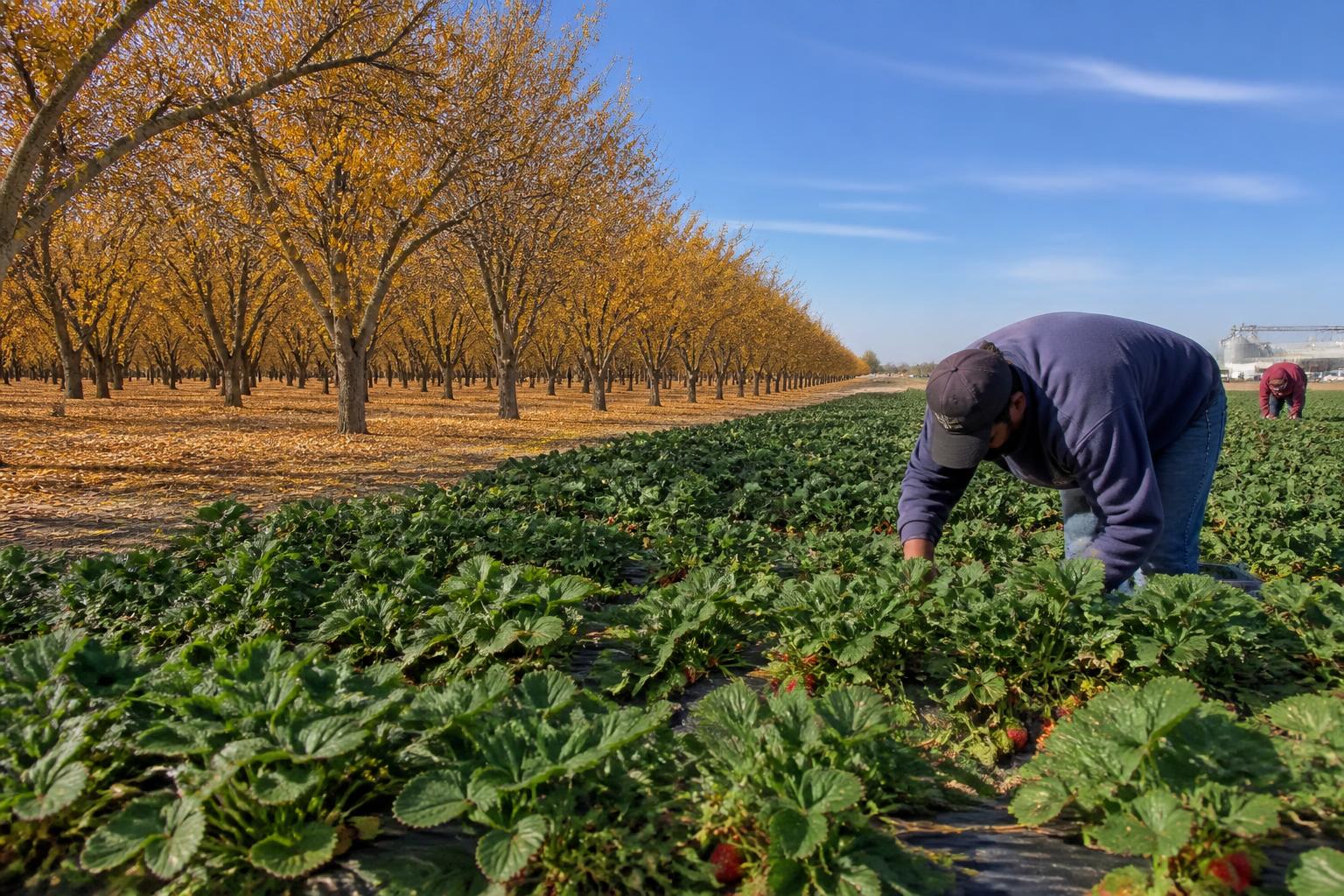
As the fall harvest season accelerates across California, agricultural producers and supply chain operators are navigating a complex landscape of infrastructure demands and regulatory scrutiny. From the Central Valley to the coastal regions, the movement of high-value crops requires consistent coordination, with regional transit corridors feeling the seasonal pressure of increased freight volume.
For those managing the flow of commodities, optimizing logistical operations at the local level remains a priority to minimize delays. Efficiency in the supply chain is critical as the industry continues to balance domestic distribution with the requirements of major gateways like the Port of Oakland, which has actively worked to streamline the export of agricultural goods during peak windows.
Regulatory and Input Market Updates
Beyond the physical movement of goods, the regulatory environment is seeing renewed attention. State agencies are currently seeking applicants for advisory boards, such as those overseeing fertilizer inspection, reflecting a broader effort to maintain standards in input quality and safety. These administrative roles can significantly influence the availability and compliance costs for growers heading into the next production cycle.
Meanwhile, the broader market continues to monitor the impact of environmental reporting standards on various sectors, including corn ethanol. Recent discourse suggests that the industry is pushing back against existing emissions calculation models, which some argue misrepresent the actual carbon footprint of certain crops. For farmers, these debates are more than academic, as they can directly influence future market access and profitability.
Strategic Planning for California Growers
As acreage for key crops like almonds reaches historic milestones, the need for integrated farm-to-market strategies has never been greater. Producers are increasingly looking at ways to mitigate food loss and integrate more efficient technology into their operations. Understanding the nuances of regional grain and commodity market conditions will be essential for those looking to protect their margins against global price volatility and localized supply chain bottlenecks.
What it means for the market: For California agribusinesses, the current period is defined by a need for agility. Success will likely depend on how effectively producers can align their harvest schedules with available logistics capacity while staying ahead of shifting regulatory and sustainability standards that are increasingly influencing both domestic and international trade.
Comments
No comments yet - be the first to share your take.