
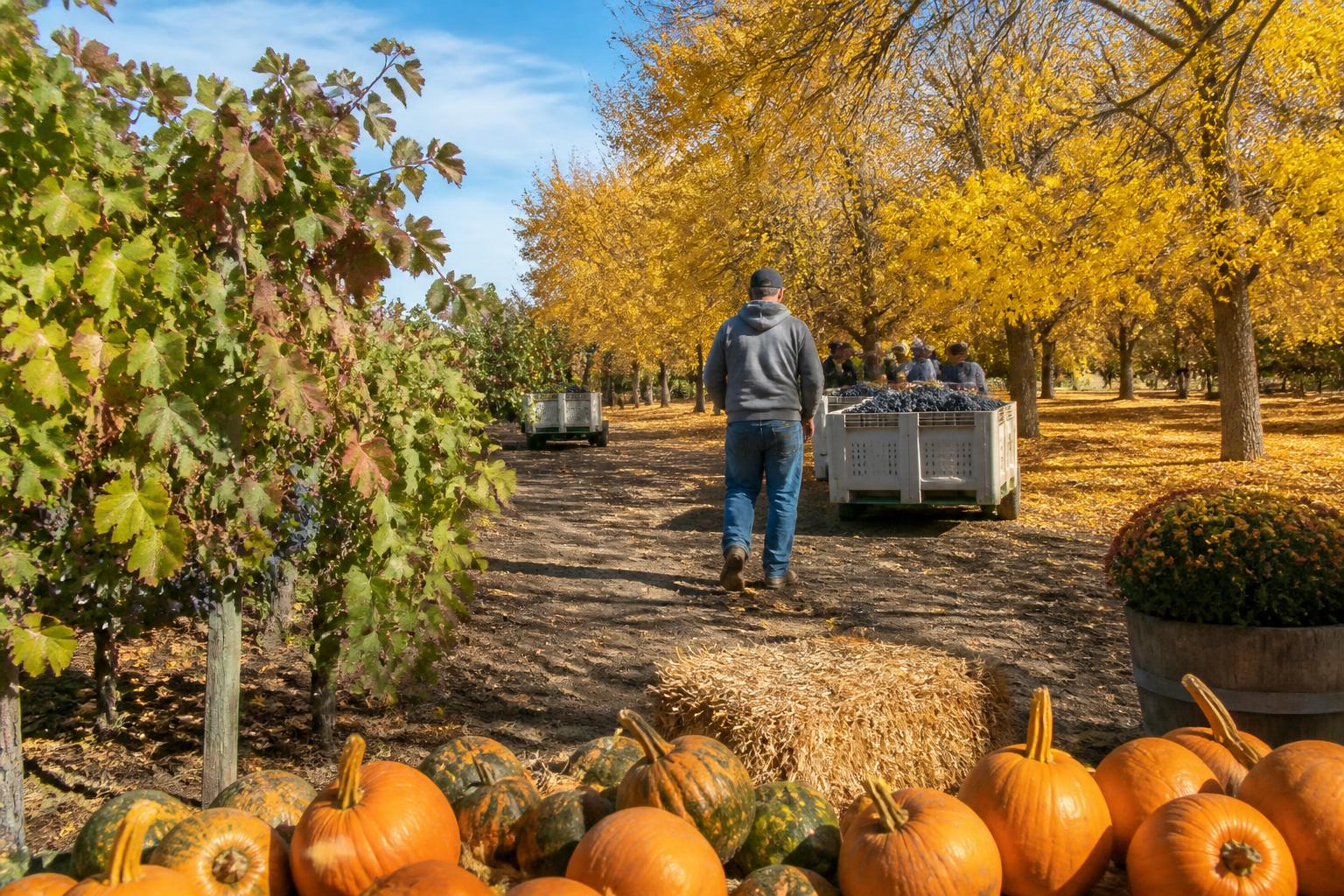
As we move deeper into October, California's agricultural landscape is defined by the high-stakes coordination of the fall harvest. For producers and haulers, the current window represents a critical period where efficiency on the road is just as vital as yields in the field. From the San Joaquin Valley to the northern growing regions, logistics managers are increasingly focused on balancing fleet capacity against the seasonal surge in demand.
Navigating Logistical Hurdles
The complexity of moving perishable and bulk goods across the state often involves navigating shifting regulatory requirements and environmental factors. As regional logistics infrastructure faces strain during peak harvest, companies are increasingly looking toward executive expertise to refine supply chain strategies. Recent leadership shifts in the logistics sector signal a broader industry push to modernize how we move product from farm gate to market, especially as unexpected events like regional wildfires or regulatory adjustments can create sudden bottlenecks in the transport network.
Technology and Resource Management
Beyond traditional freight considerations, the digital integration of farm management is becoming a key tool for regional businesses. With new software access becoming available to growers across the state in the coming year, there is a clear shift toward data-driven decision-making. This move aims to streamline everything from input coordination to the timing of shipments, potentially reducing the downtime that often plagues farmers during the height of harvest season.
What it means for the market
For agribusinesses and carriers, the current climate demands a proactive approach. While labor and environmental pressures remain, the combination of emerging digital tools and a strategic focus on supply chain resilience provides a path to mitigate some of the seasonal volatility. Keeping a close eye on regulatory developments and leveraging operational efficiencies will be the difference-makers for those looking to maintain healthy margins throughout the remainder of the year.
Comments
No comments yet - be the first to share your take.