
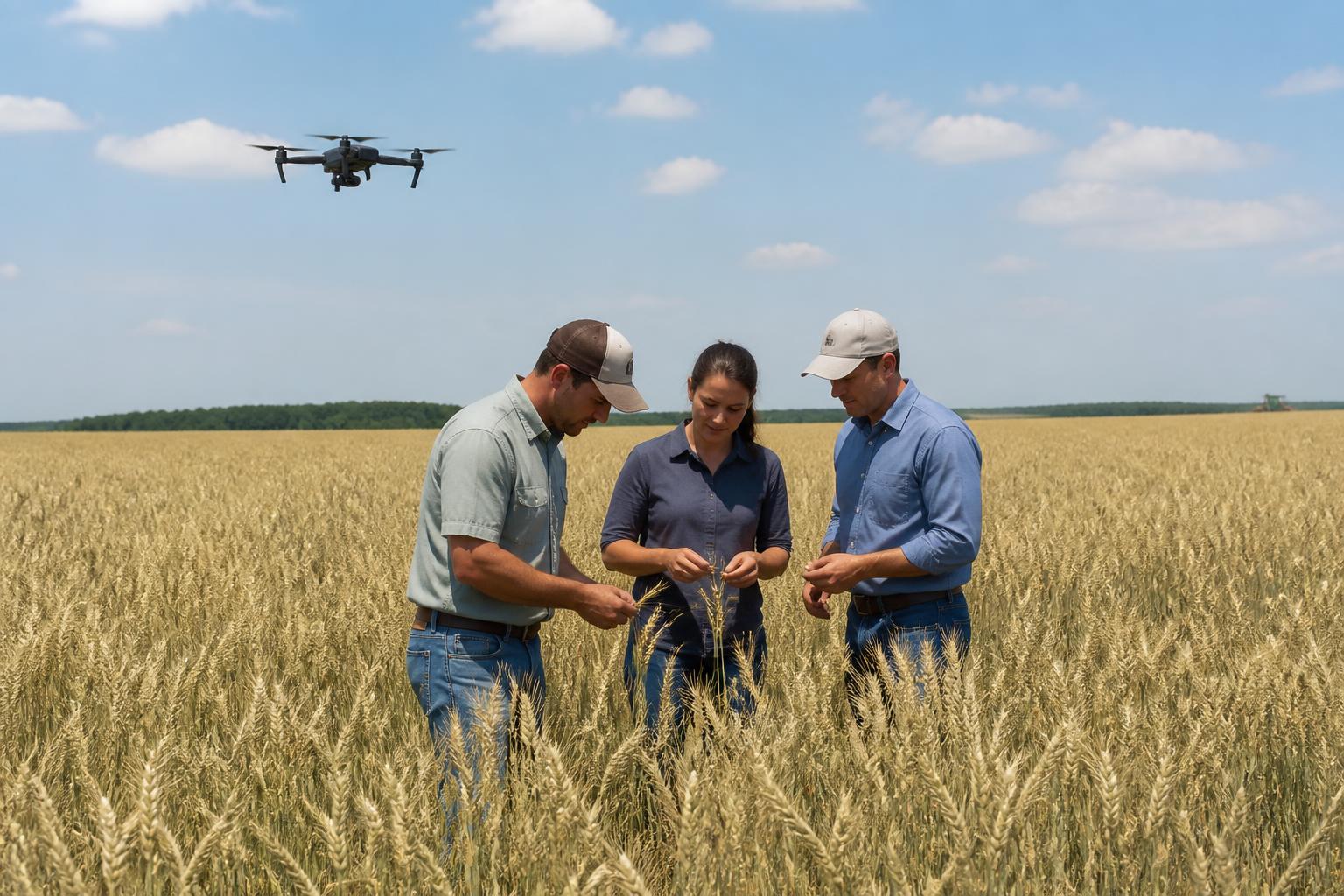
As summer heat settles across the High Plains, Wyoming grain growers are navigating a complex mix of shifting weather patterns, irrigation constraints, and pioneering crop developments. From the irrigated fields of the Missouri Valley to the water-restricted basins of the upper North Platte, maintaining grain quality and managing dry soil profiles are top priorities. Producers are increasingly looking to innovative crop varieties and strategic resource management to remain competitive in a volatile global market.
For local operations, staying ahead of these trends is essential when navigating Wyoming's agricultural market during seasonal shifts. As water availability and consumer demands evolve, diversification and adaptability remain the watchwords for the state's agribusinesses.
Irrigation Constraints and Soil Management
In southeastern and central Wyoming, water management dominates discussions this season. Irrigators along the upper North Platte River basin are closely monitoring the impacts of winter and spring snowpack levels on summer water deliveries. Because Wyoming's arid climate relies heavily on storage reservoirs, any variation in high-altitude runoff directly affects the late-season watering schedules of small grains and forage crops.
At the same time, managing pasture and field margins remains a constant battle. The spread of invasive cheatgrass continues to challenge local producers, stripping vital moisture from the soil and increasing wildfire risks in dry summer conditions. Implementing targeted management practices early in the season is critical to preserving soil health for future grain rotations.
Ancient Grains and Forage Alternatives
To offset the risks of water volatility, some Wyoming producers are turning to niche markets and highly resilient crop varieties. In the Missouri Valley region of Fremont County, local growers like Paul Downey are introducing ancient grains to regional consumers. Cultivating these ancient varieties offers a high-value alternative to standard wheat, tapping into specialty food markets that prize heritage ingredients and dryland resilience.
Additionally, interest in alternative forage and grain options like sorghum is growing across the region. Sorghum's deep root system and drought tolerance make it an appealing option for dryland farmers looking to stabilize forage yields when traditional water supplies run short.
Agtech Innovation and Educational Programs
Wyoming is also positioning itself as a hub for agricultural workforce innovation. Central Wyoming College (CWC) is expanding its controlled environment agriculture program, equipping the next generation of agriculturalists with the technical skills needed for modern food systems. Meanwhile, hyper-local innovations, such as space-agriculture research conducted by a student in Gillette, demonstrate the state's growing interest in high-tech, soil-less, and water-efficient growing methods.
Key Takeaways for Wyoming Producers
- Monitor Water Allocations: Keep a close eye on reservoir levels and runoff reports in the upper North Platte basin to optimize irrigation timing.
- Explore Niche Markets: Ancient grains and heritage wheats can provide premium price points and dryland-tolerant characteristics.
- Invasive Weed Mitigation: Execute aggressive cheatgrass control to protect dryland grain yields and preserve soil moisture.
What it means for the market
The current summer dynamics suggest that while traditional grain volumes in Wyoming may face regional water constraints, the push toward high-value niche grains and advanced agricultural technology will offer long-term stability. Elevators and grain buyers should prepare for steady interest in specialty crops, while logistics providers must stay flexible to accommodate shifts in local forage and grain yields as the summer harvest approaches.
Comments
No comments yet - be the first to share your take.