
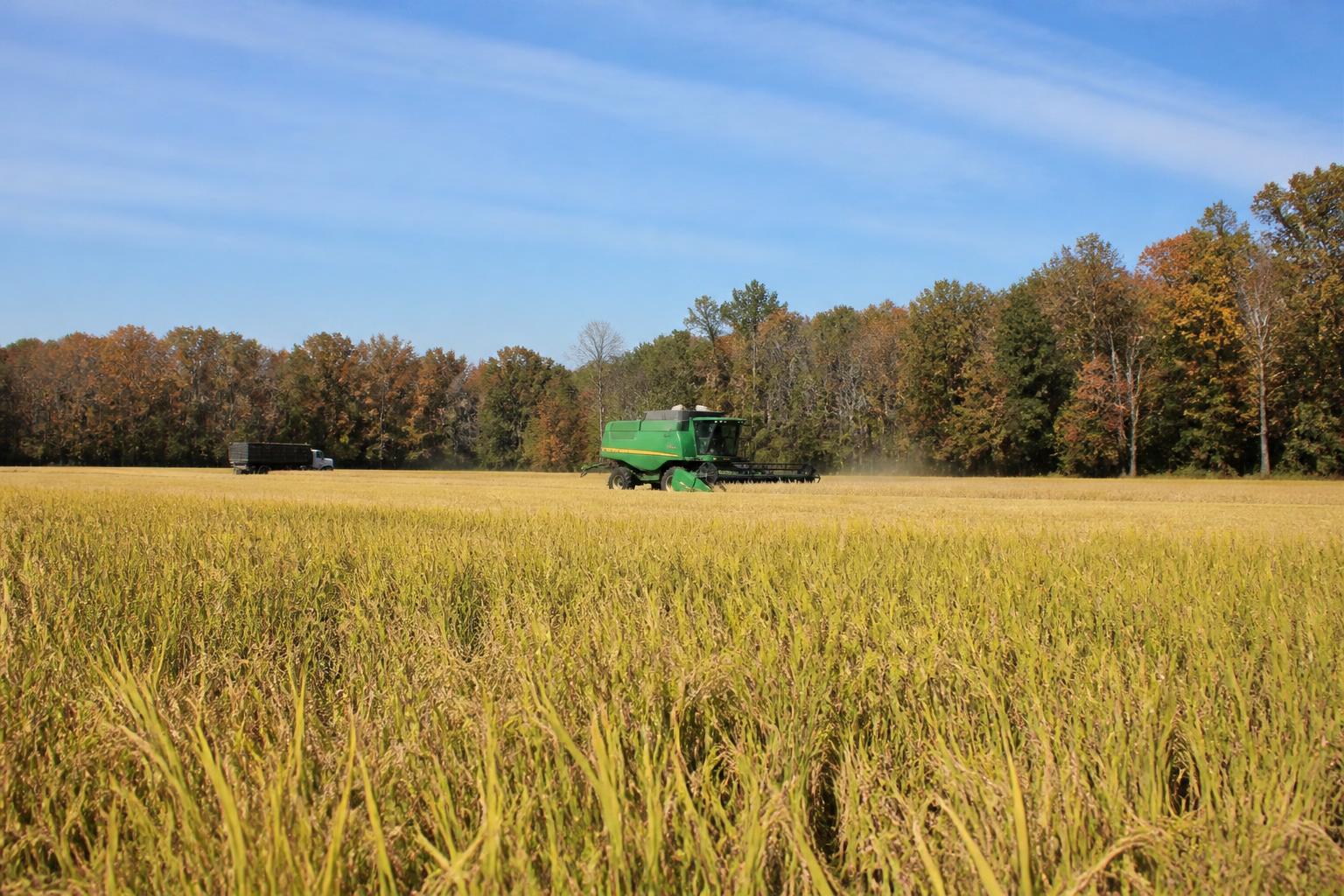
As the fall season deepens, rice harvest activities across Louisiana are reaching a critical phase. Producers have been working through fields across the state, managing the logistics of incoming crop movement even as the broader regional supply chain adjusts to shifting market conditions. Efficient coordination between on-farm storage and local elevators remains a priority to maintain flow during these peak weeks.
Input Market Shifts and Fertilizer Supply
Beyond the field, agribusinesses are keeping a close watch on the shifting landscape of soil fertility inputs. With recent industry developments regarding phosphate fertilizer manufacturing, retailers and growers are evaluating how domestic production trends may influence long-term access and pricing. Maintaining robust communication with regional input suppliers is essential for those planning their post-harvest soil amendments.
Logistics and Field Operations
The pace of the harvest often dictates the strain on local infrastructure, from secondary road weight limits to freight compliance and port throughput. Growers in parishes known for high rice production should remain diligent about equipment maintenance and traffic coordination as transport volumes reach their annual peak. As technology integration grows, many operations are also exploring new tools to manage field efficiency, ranging from heavy-lift utility drones to advanced machinery connectivity.
What it means for the market
For Louisiana producers, this period is characterized by the need for tight integration between field data and logistical planning. As the harvest wraps up and suppliers pivot toward the next cycle, having a clear view of both localized commodity movement and broader agricultural input availability will be key to managing cost structures through the end of the year.
Comments
No comments yet - be the first to share your take.