
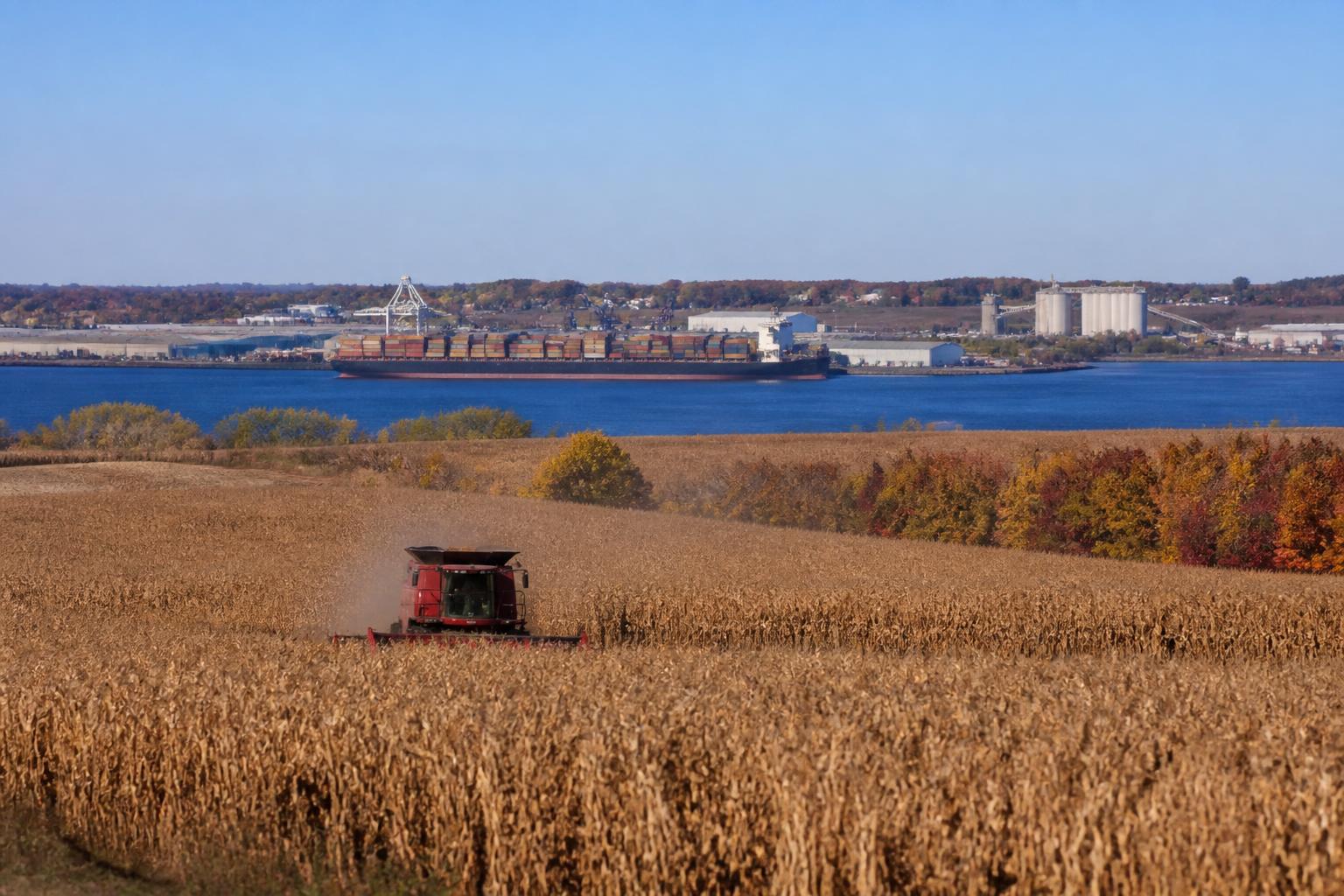
The Critical Role of Gulf Logistics
For Louisiana producers and grain handlers, the fall season represents a peak period for logistics. With a significant portion of national agricultural exports flowing through the Port of New Orleans, the efficiency of our state's highway and waterway infrastructure remains the backbone of regional market success. Maintaining a smooth pipeline from rural elevators to export terminals is essential as harvest volumes increase.
Navigating Compliance and Safety
As traffic density rises on key routes, freight carriers are reminded that regulatory oversight remains stringent. Operational consistency is vital for those managing transport fleets. Compliance with safety protocols is not just a regulatory hurdle but a practical necessity to prevent costly delays during the high-stakes export season. Recent industry observations suggest that maintaining rigorous vehicle and safety record-keeping can help avoid operational disruptions.
Infrastructure and Market Flow
Efficient movement of goods is tied directly to the resilience of our logistics network. As noted in recent analysis on infrastructure resilience, small adjustments in transport efficiency can have a compound effect on local profit margins. Whether you are coordinating grain shipments or managing supply chains, monitoring how export bids stabilize at Gulf ports provides a clearer picture of when and where to move your inventory.
What it means for the market
The convergence of peak harvest and high export demand means that logistical reliability is currently a premium service. For agribusinesses and carriers, staying informed about seasonal logistics and maintaining strict fleet compliance will be the primary drivers for minimizing downtime. By focusing on steady, compliant transport operations, Louisiana stakeholders can better capitalize on the strong throughput capacity currently seen at our southern gateways.
Comments
No comments yet - be the first to share your take.