
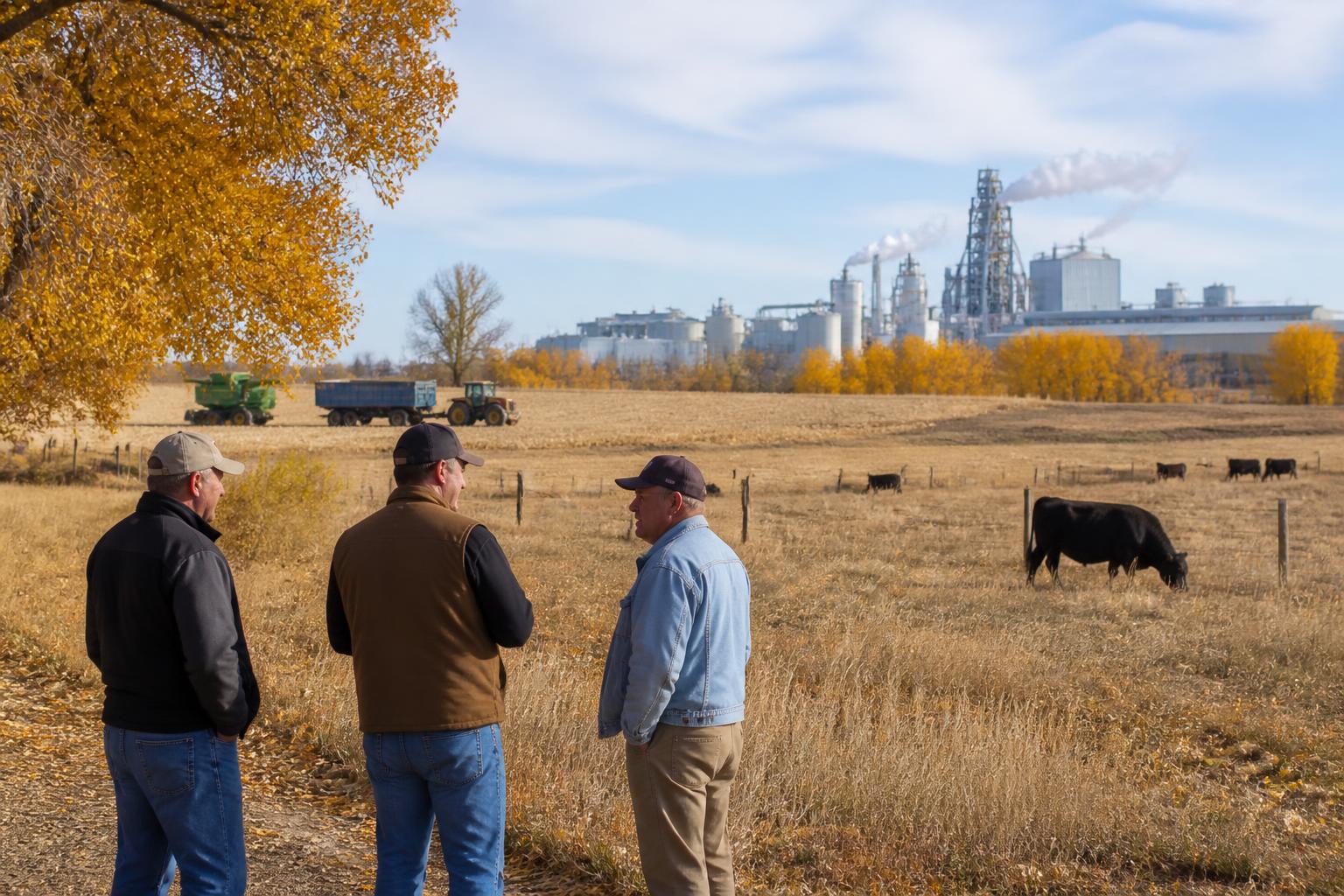
The agricultural sector in Wyoming continues to grapple with a mix of operational challenges as we progress through the mid-fall season. For many producers, the current focus remains on managing livestock health and preparing for winter, though recent developments in regional policy and infrastructure are increasingly impacting day-to-day decision-making.
Navigating Local Regulatory Hurdles
In recent weeks, tensions have surfaced regarding the oversight of local agricultural commerce. Disputes involving state agricultural departments and direct-to-consumer sales, such as those reported in Riverton, highlight a growing friction between small-scale producers and regulatory enforcement. For local operators, staying informed about evolving diesel and operational regulations is critical, as these mandates often filter down to affect how farm products are transported and sold across the state.
Infrastructure and Market Integration
Beyond the local regulatory landscape, broader shifts in logistics continue to reshape the state's agribusiness footprint. Large-scale infrastructure investments, such as recent acquisitions by Genesee and Wyoming and regional developments in voluntary carbon markets by industry leaders like ADM, reflect a tightening integration between Wyoming's producers and national supply chains. Understanding these regional economic pressures is essential for operations looking to maintain liquidity during the harvest window.
Key Takeaways for Producers
- Maintain clear documentation for all direct-marketed products to avoid potential compliance issues with state agencies.
- Monitor logistics providers closely, as shifts in rail and freight ownership can impact the cost of moving inputs or livestock feed.
- Evaluate regional opportunities for carbon credit participation as major agribusinesses expand their removal capacity portfolios.
What it means for the market
For Wyoming's agriculture industry, the current environment demands a heightened awareness of both legal compliance and logistics. As infrastructure ownership shifts and regulatory scrutiny increases, producers who proactively manage their market access and operational costs will be better positioned to navigate the remainder of the fall season.
Comments
No comments yet - be the first to share your take.