
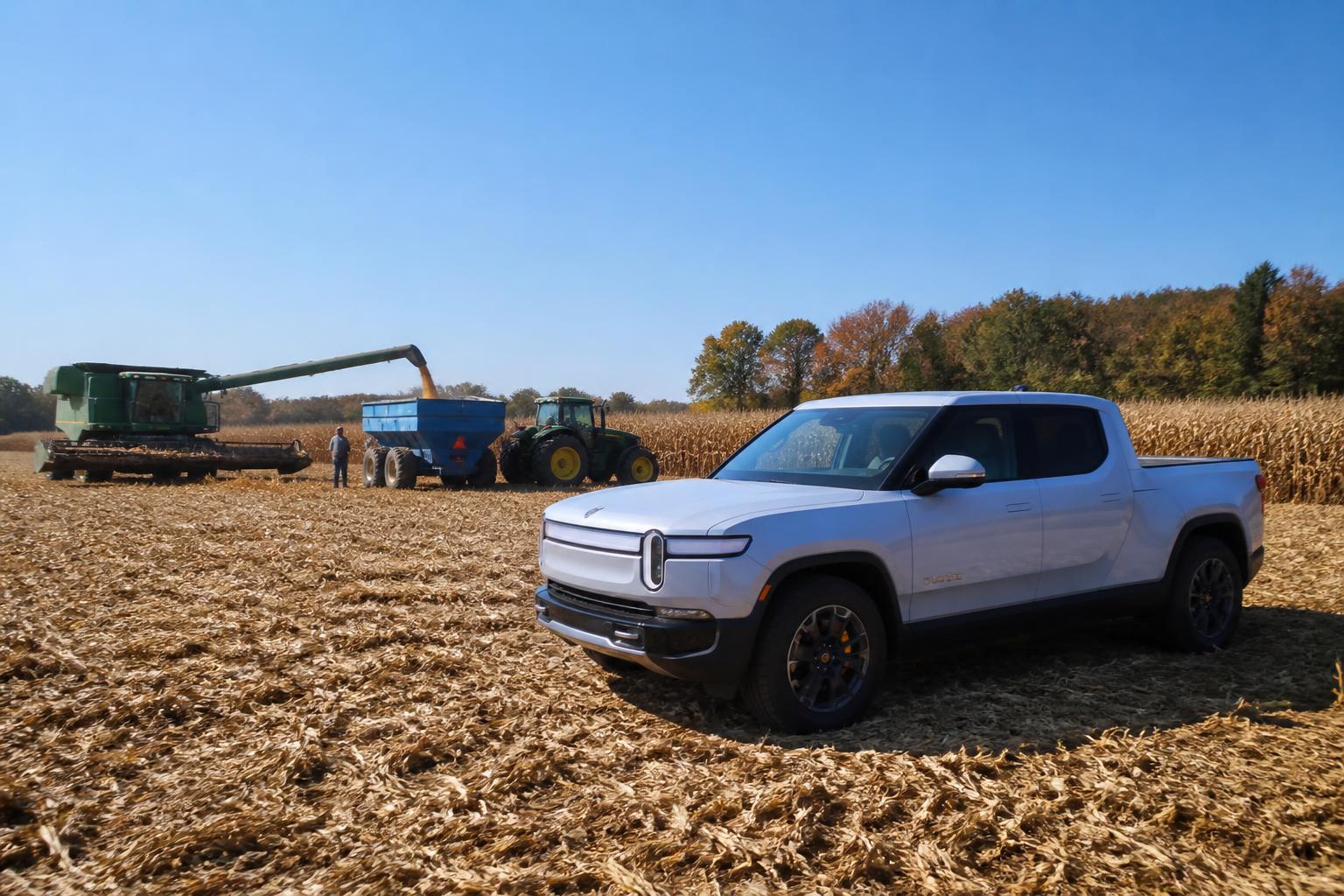
As Kentucky farmers move further into the fall harvest, the interplay between regional transport costs and operational efficiency has come to the forefront of the state's agricultural sector. Managing the flow of grain and livestock from the field to local processors remains a primary concern, particularly as producers navigate logistics shifts brought on by tightening margins and variable seasonal conditions.
Managing Operational Costs in a Competitive Market
For many agribusinesses, the cost of diesel remains a critical factor that influences everything from short-haul logistics to final commodity pricing. With fluctuating fuel prices, operators are increasingly looking for ways to streamline their supply chains. The integration of new regional infrastructure, such as the recently established meat and food processing resources in the state, offers potential for localized efficiency, though it requires precise coordination between growers and logistics providers.
Beyond Traditional Row Crops
Diversification continues to be a strategic move for Kentucky's rural economies. As many producers look beyond traditional row crops, the demand for reliable, versatile transport grows. Whether moving specialty harvest products or maintaining the supply chain for the state's livestock sector, the reliability of local carriers is essential during the high-pressure autumn months. Maintaining oversight and following recommended procurement practices for feed inputs remains a top priority for farm management teams.
What it means for the market
The current market environment underscores the need for Kentucky's agricultural sector to prioritize efficiency. With harvest momentum building, transporters and elevator operators should expect continued pressure on capacity. Producers who focus on proactive logistics planning and monitor regional processing developments may be better positioned to mitigate the risks posed by fluctuating input costs and maintain stronger margins through the remainder of the season.
Comments
No comments yet - be the first to share your take.