
Navigating Harvest Fuel Costs in Tennessee
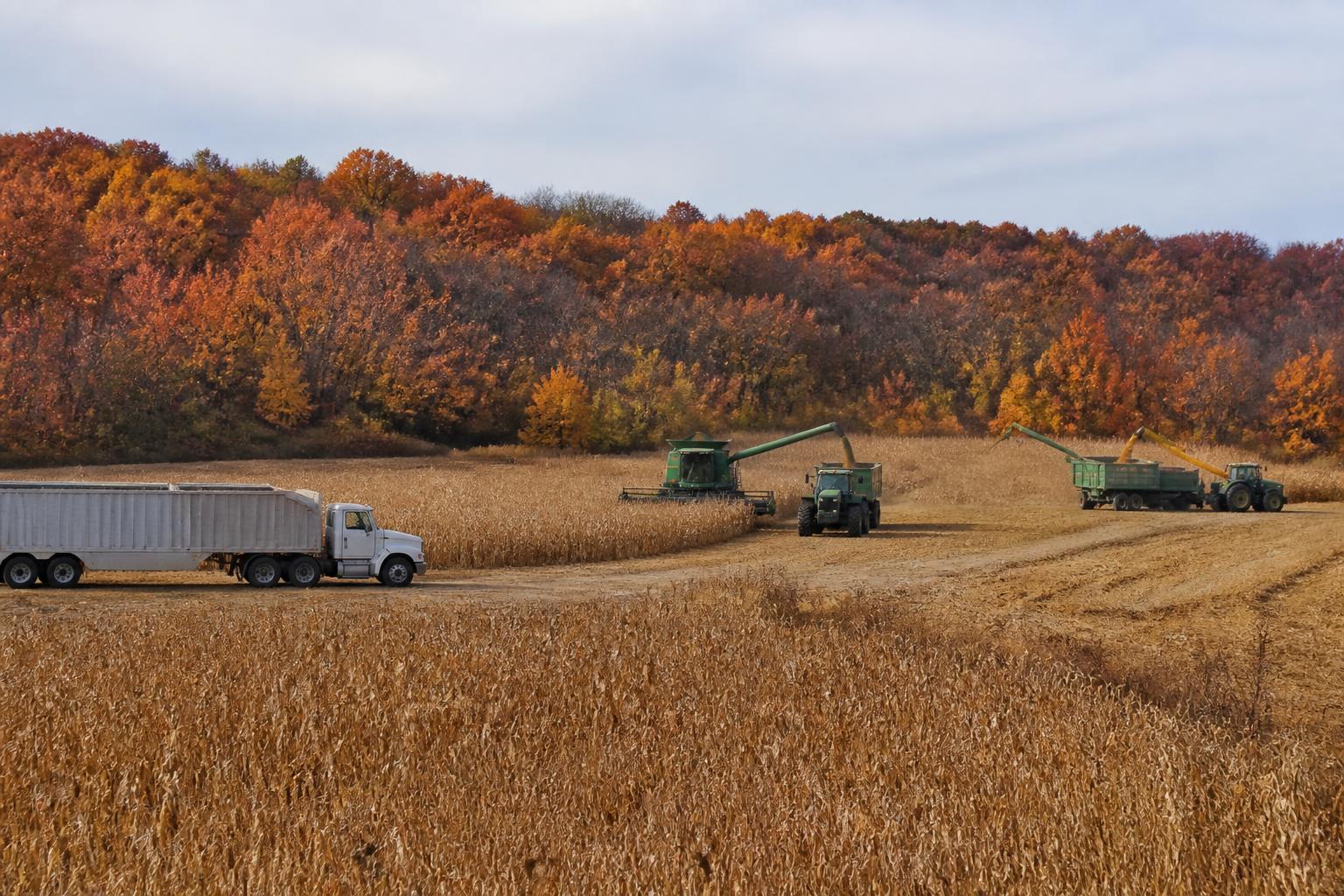
As the fall harvest gains momentum across Tennessee, producers are monitoring the intersection of energy prices and field efficiency. Recent developments regarding diesel relief have provided a notable, if temporary, cushion for operations during one of the busiest windows of the agricultural calendar. This influx of support is timely, as grain moisture management and field-to-elevator transport remain the primary focus for Tennessee agribusinesses.
For growers in regions like the West Tennessee delta or the rolling fields of Middle Tennessee, balancing input costs is a perennial challenge. Managing operating expenses during this period often requires close attention to logistics, as balancing harvest costs becomes critical when fuel prices exhibit volatility. While federal studies into the role of AI and quantum computing continue to investigate long-term supply chain efficiencies, the current reality for local farmers involves optimizing existing routes and machinery usage.
Logistical Efficiencies and Field Operations
Harvest flow remains largely dependent on the synchronization between local grain elevators and transport carriers. Maintaining timely movement along major corridors is essential, particularly when handling high-volume crops that require rapid transition from field to storage. Efficient fuel consumption is not just a budget consideration but a vital component of meeting seasonal delivery windows.
Producers should continue to evaluate their fuel procurement strategies as the season progresses. While relief measures offer short-term stability, market participants often benefit from maintaining flexible logistical plans, including secondary storage options, to mitigate the impact of sudden energy price spikes during the peak shipping months.
What it means for the market
The stabilization of diesel costs through state relief efforts is allowing Tennessee farmers to prioritize crop quality and harvest timing. By reducing the immediate pressure on fuel budgets, operators are better positioned to focus on the technical demands of the season, such as managing grain quality and ensuring that transport logistics remain on schedule despite external market pressures.
Comments
No comments yet - be the first to share your take.