
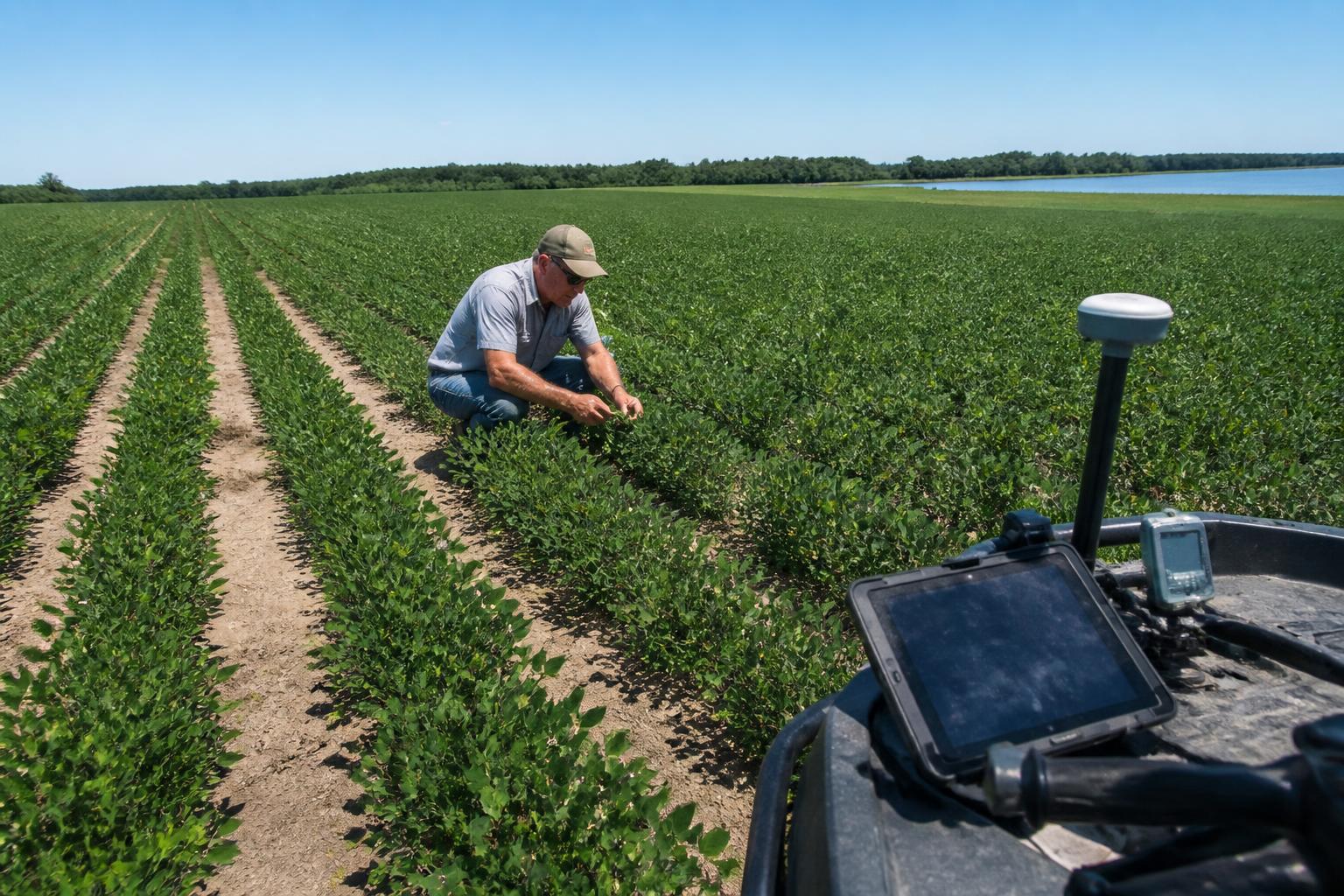
Mississippi growers are heading into the peak of the summer season facing a complex set of fertilizer market dynamics. While local land values remain surprisingly resilient compared to the Midwest, tightening profit margins for major grain crops have forced a sharper focus on input efficiency. Producers are navigating a double squeeze: global supply disruptions driving up retail prices, and persistent inland waterway bottlenecks that threaten domestic distribution.
Global Geopolitics and River Volatility Lift Input Costs
Recent geopolitical conflicts, particularly the closure of the Strait of Hormuz, have cast a long shadow over global energy and fertilizer supply chains. This disruption has triggered price increases for key nutrient categories, leaving Mississippi farmers vulnerable to higher retail prices at a time when commodity crop values remain subdued. Compounding these international pressures are domestic logistics constraints. Drought conditions have once again threatened to shrink water levels along critical inland waterways, echoing previous years where low barge draft limits restricted heavy shipments like bulk crop nutrients.
For those managing transport through regional shipping channels, low Mississippi River levels pose a direct threat to the cost of moving fertilizers upstream. When barge capacities are restricted, shipping rates spike, and those costs are inevitably passed down to the retail dealer and the grower. To secure their operations, agribusinesses must anticipate these seasonal bottlenecks by securing supply lines well ahead of the fall application window.
Cost-Saving Blends and Precision Application
In response to volatile pricing, Mississippi growers are turning to alternative nutrient strategies to protect their bottom lines. For example, some local rice producers have successfully minimized input costs by shifting from traditional straight urea to specialized fertilizer blends. These custom formulations allow for more targeted nutrient delivery, minimizing losses and maximizing uptake. This shift aligns closely with broader efforts around supply security and stewardship in the Delta, where managing runoff and optimization go hand in hand.
At the same time, the adoption of precision agriculture tools and AI-driven variable-rate technologies continues to expand across the state. While some environmental critics raise questions about the long-term ecological benefits of digitized farming, the immediate economic incentive for growers is clear: reducing wasted product. By applying precisely what the crop needs, growers can mitigate the impact of inflated fertilizer prices and preserve their margins.
Diversification and Structural Resilience
Mississippi's agricultural sector is also showing resilience through crop diversification and stable asset values. In some areas, such as parts of the southern Delta and southern counties, producers are adjusting their crop mix, occasionally leaning into alternative crops like peanuts to manage risk. This flexibility, combined with stable land values, has helped Mississippi farmers maintain a stronger financial foundation than their peers in some parts of the Corn Belt, despite the pressure of tighter operating margins.
Key Takeaways for Mississippi Growers
- Assess Custom Blends: Explore customized nutrient blends rather than relying solely on standard urea to optimize costs.
- Plan Around Logistics: Anticipate river transport delays and secure summer and fall fertilizer allocations early to bypass potential low-water shipping spikes.
- Leverage Variable-Rate Tools: Use precision application to minimize waste and counter high input costs.
What it means for the market
The combination of international trade disruptions and regional river bottlenecks means Mississippi fertilizer prices are likely to remain elevated and volatile through the summer. For growers, input buyers, and retailers, success in this environment hinges on supply-chain foresight and localized nutrient strategies. While strong land values provide a solid balance sheet, protecting cash flow will require strict adherence to precision application and creative blending techniques to keep production costs manageable.
Comments
No comments yet - be the first to share your take.