
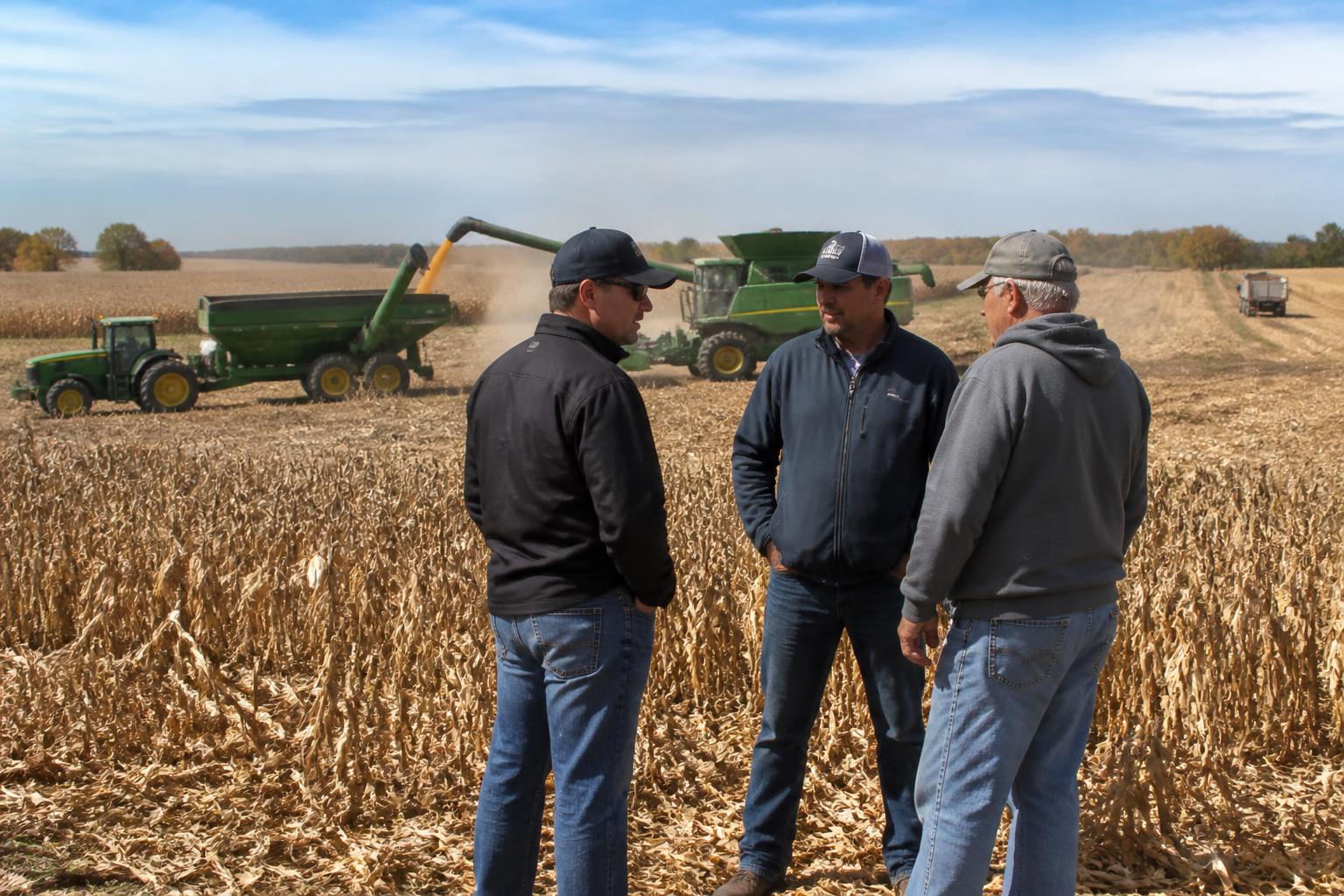
As the autumn harvest gains momentum across Pennsylvania, growers are pivoting their focus from field operations to long-term input planning. With the landscape of regional agronomy firms shifting through recent consolidations, maintaining strong relationships with local suppliers remains a critical step for securing essential fertility products for the upcoming cycles. Producers in counties like Lancaster and Franklin are often monitoring these industry-wide changes closely to ensure their farm operations remain resilient to supply chain volatility.
Input Economics and Regional Logistics
The current market environment encourages a careful assessment of fertilizer procurement. When supply chains tighten, timely communication with local dealers can help avoid the logistical bottlenecks often experienced during peak seasonal windows. Understanding the nuances of fertilizer market shifts is essential for operations looking to hedge against price fluctuations and ensure product availability when windows for application finally open. In many parts of the state, managing delivery expectations alongside harvest transit schedules is a standard, yet vital, logistical exercise.
Strategic Planning for Next Season
As farm managers analyze their yields and soil tests post-harvest, the focus naturally shifts to budget management and sustainability. Balancing the immediate costs of inputs with long-term soil health objectives is a perennial challenge. Engaging with providers early in the off-season can provide a buffer against potential delivery delays, especially as the agricultural community continues to explore methods for optimizing input spend and operational costs. By securing products ahead of the heavy spring demand, producers may find more flexibility in their logistical planning.
What it means for the market
For the Pennsylvania grower, the current climate reinforces the need for proactive procurement rather than reactive purchasing. While consolidation at the retail level may change the face of local service, the fundamental goal for the producer remains consistent: securing high-quality inputs within a manageable budget. Staying informed on regional availability and leveraging existing relationships with established ag-retailers will be the primary lever for maintaining profitability through the end of the year.
Comments
No comments yet - be the first to share your take.