
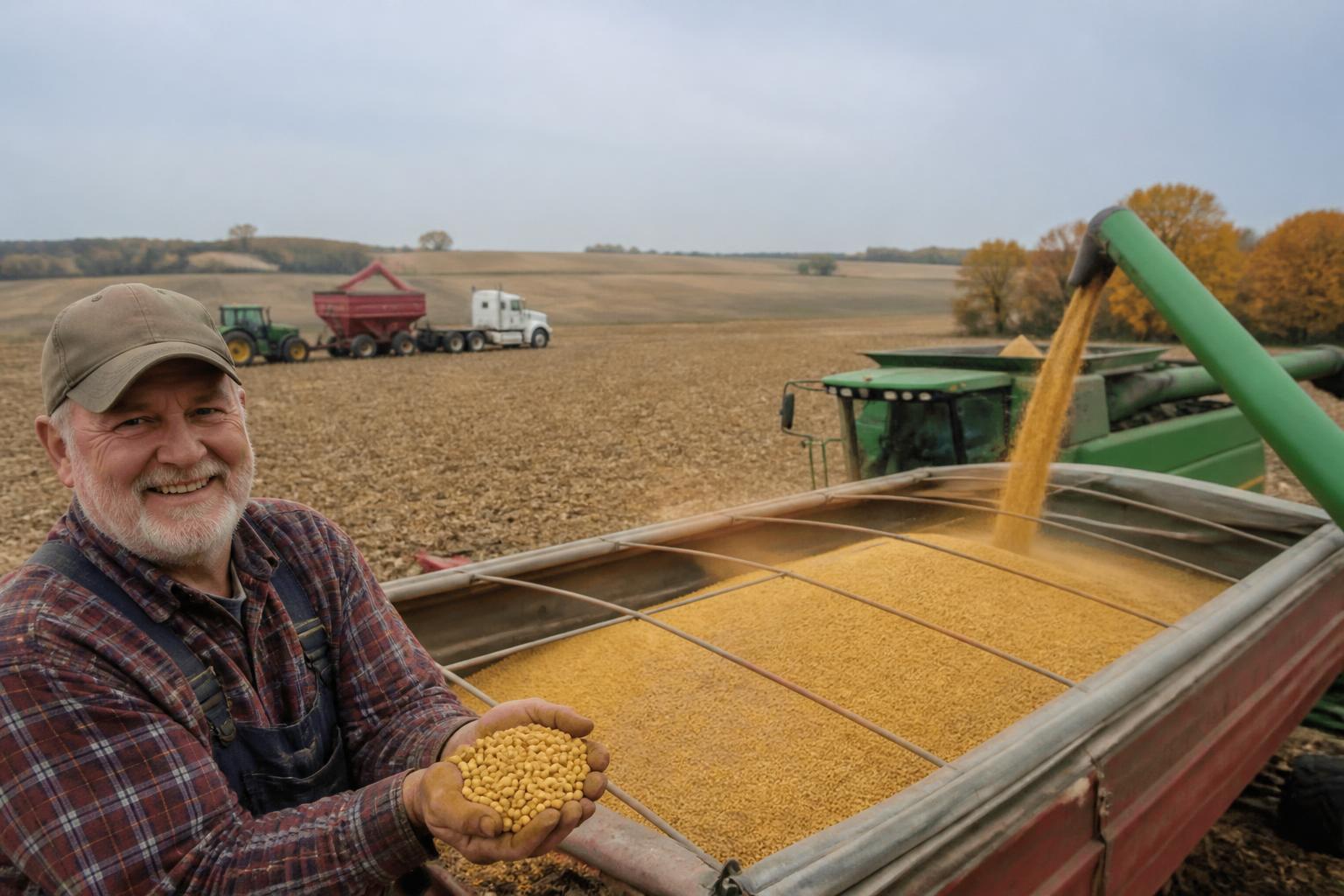
For Nebraska producers and grain handlers, the arrival of October brings the inevitable intensity of peak harvest. Navigating the logistics of moving record-level volumes through established transport corridors is a priority for elevators and trucking fleets alike as they coordinate with regional infrastructure to manage the seasonal bottleneck.
As harvest activity accelerates, maintaining flow from the field to local grain facilities is paramount. Producers are often balancing these immediate transport needs with long-term management strategies, including the adoption of precision tools to optimize field efficiency. Staying informed on regional infrastructure and grain movement trends remains a vital component of a successful fall strategy.
Managing Regional Bottlenecks
The concentration of harvest traffic typically puts pressure on secondary roads and regional short-line rail connections. Efficient logistics hinges on proactive communication between truckers and facility operators to minimize wait times at scales and dryers. In this environment, understanding how export logistics and rail availability influence local cash bids can help agribusinesses mitigate the impact of seasonal capacity constraints.
Input Efficiency and Future Planning
Beyond the immediate demands of harvest, the industry is increasingly focused on the intersection of logistics and input management. As producers finalize their data from the field, many are looking toward next season's requirements. Evaluating current supply chain health is essential, especially as stakeholders monitor the availability of crop inputs and the compounding risks that impact farm profitability heading into the coming year.
What it means for the market
The current harvest period highlights the necessity of robust, adaptable logistics networks. As Nebraska grain moves toward end-users and export terminals, the ability to navigate infrastructure limitations will directly correlate with the speed and cost-effectiveness of regional marketing efforts. Maintaining strong relationships with local transportation partners and monitoring shifts in capacity will remain critical for navigating the remainder of the season.
Comments
No comments yet - be the first to share your take.