
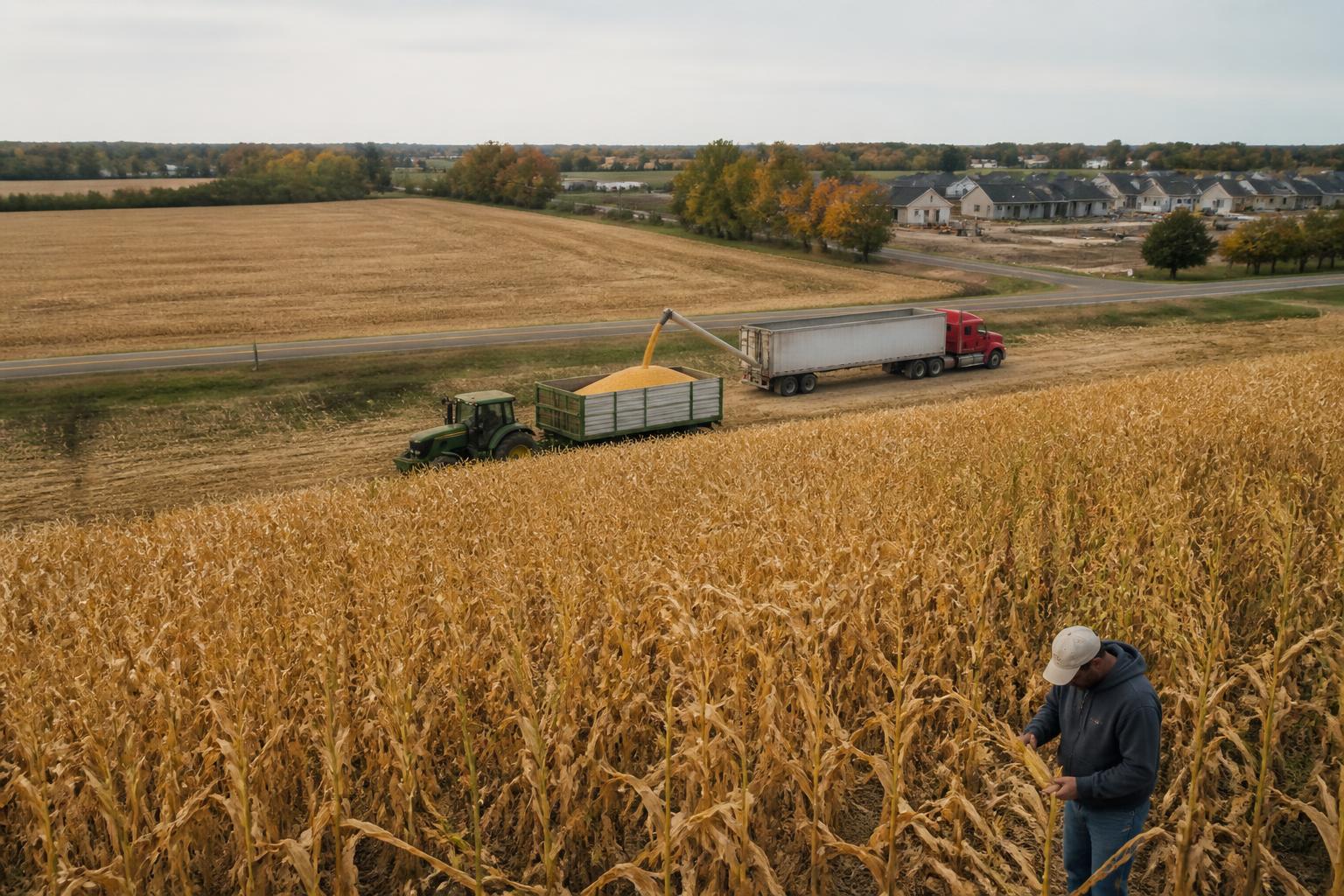
As Nebraska operations shift their focus toward the fall harvest, the agricultural landscape remains defined by significant economic and environmental variables. From the panhandle to the eastern river valleys, producers are balancing the immediate demands of field work against a backdrop of long-term financial shifts, including notable trends in land valuation and the rising cost of essential equipment maintenance.
Producers are advised to monitor local climate patterns closely as the season progresses. Reports suggest that changing weather conditions continue to influence expectations for corn and soybean performance across the state. These environmental challenges come at a time when farm-level costs, particularly for machinery components and general input maintenance, remain elevated compared to historical averages, pressuring margins for many operators.
Managing Infrastructure and Input Pressures
For those navigating the current Nebraska grain market outlook, logistical efficiency is becoming a critical competitive advantage. With land values showing persistent strength in some regions, the barrier to entry or expansion is high, forcing a sharper focus on optimizing yield and reducing waste. Effective weed management and precise application strategies are being prioritized to protect the integrity of the harvest as commodity prices fluctuate in response to international trade dynamics.
Strategic Planning for the Season Ahead
- Equipment Readiness: With costs for parts and repairs still near historic highs, prioritizing routine inspections before peak machinery usage can prevent costly downtime.
- Market Responsiveness: Tightening global trade signals and regional supply chain nuances require producers to stay agile regarding grain marketing and storage decisions.
- Input Management: Addressing persistent weed competition and managing soil health remain key to long-term profitability in Nebraska's diverse growing zones.
What it means for the market: The current environment demands a defensive, efficiency-first mindset. While land value trends indicate long-term interest in agricultural assets, short-term profitability is increasingly tied to the ability to mitigate climate-induced yield variability and manage escalating operational overhead. Producers should maintain close communication with local cooperatives and regional grain elevators to navigate the infrastructure challenges inherent in this year's harvest cycle.
Comments
No comments yet - be the first to share your take.