
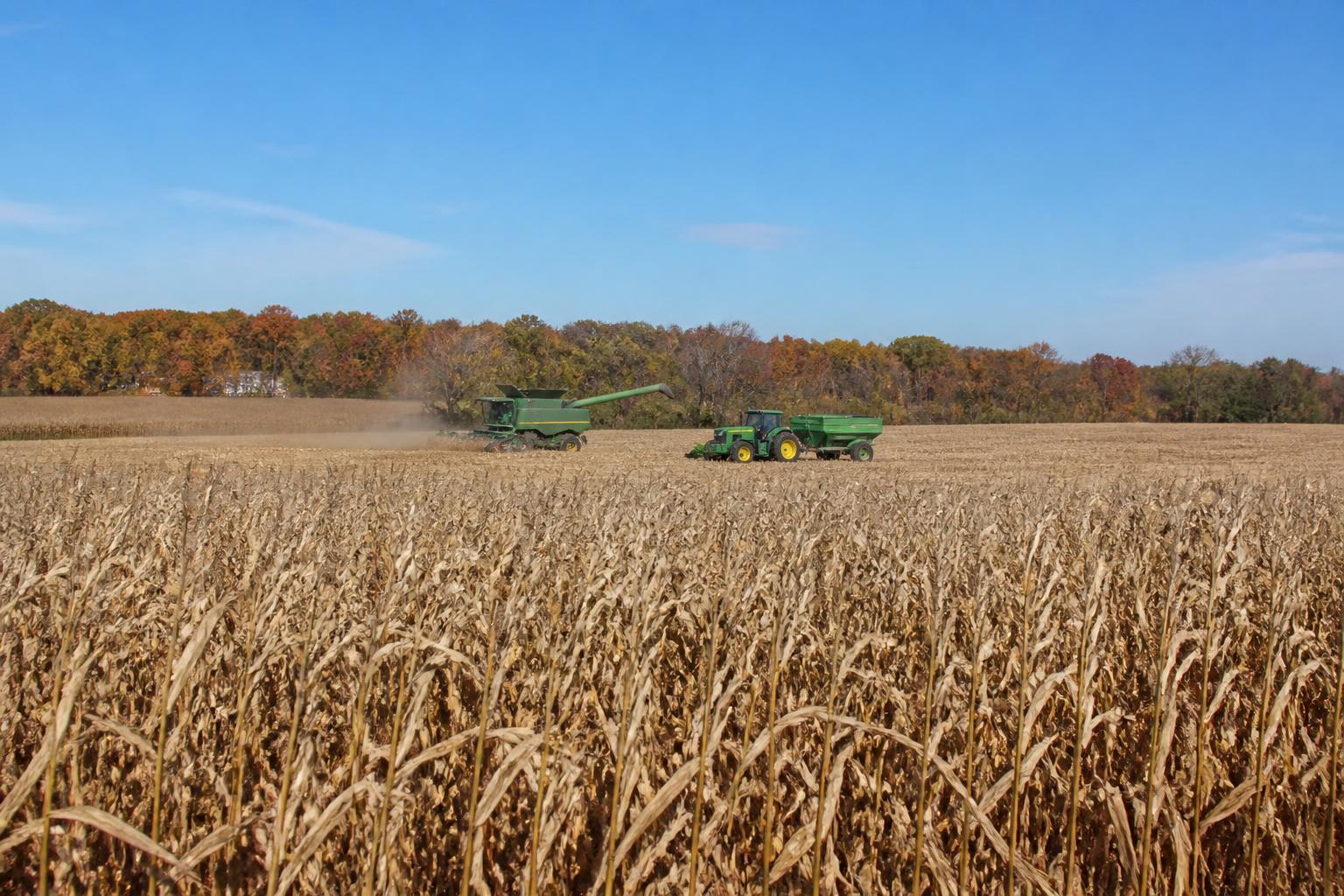
Connecticut agricultural markets are seeing a shift as we move into the heart of the fall harvest. Producers across the state are monitoring recent national corn price adjustments, which have shown slight downward trends early this October. For those managing inventory and storage, staying informed on current grain market trends is essential as regional supply levels fluctuate against national benchmarks.
Input Market Shifts
Beyond the grain elevator, interest in sustainable farm inputs continues to evolve. Recent industry movements suggest an increased focus on organic fertilizer innovation, with companies looking to expand distribution. For Connecticut growers, integrating these alternatives may offer long-term soil health benefits, though procurement strategies should remain flexible to account for seasonal supply chain variability.
Operational Safety and Wildlife Management
As field activity reaches its peak during the October harvest, state officials have noted a rise in interactions with local wildlife. Increased bear activity near agricultural areas requires extra vigilance from farm staff and carriers. Securing feed storage, clearing perimeter brush, and ensuring that waste management systems are robust are practical steps to minimize conflicts during the busy harvest window.
Key Takeaways:
- Monitor local corn basis levels as national markets experience minor corrections.
- Evaluate the potential for organic inputs to bolster your 2027 nutrient management plan.
- Prioritize perimeter security around grain bins and storage facilities to deter wildlife.
What it means for the market: For the Connecticut agribusiness sector, the current environment demands a dual focus on market vigilance and operational prudence. Producers who successfully balance price risk management with field-level safety precautions will be better positioned to navigate the remainder of the autumn season.
Comments
No comments yet - be the first to share your take.