
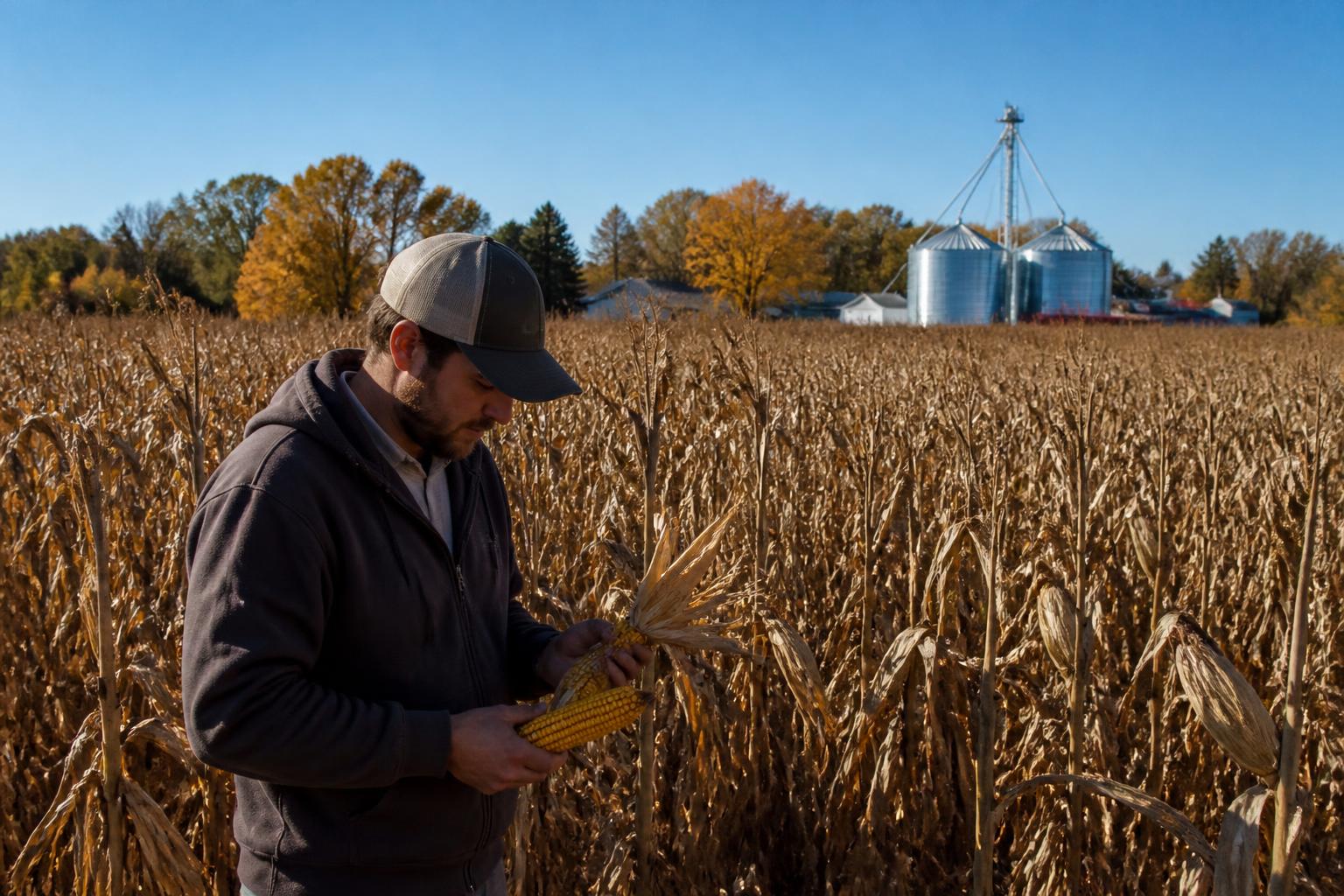
Arkansas growers are currently balancing the logistical demands of fall harvest with critical planning for future input requirements. While regional operations focus on bringing in the crop, the broader economic landscape remains strained by international supply chain challenges that directly impact local farm-gate prices.
Recent reports highlight that global shipping constraints, particularly those affecting key transit routes, have contributed to significant increases in operational costs for producers across the state. These logistical bottlenecks often translate into higher prices for essential inputs like fertilizers, forcing farmers to re-evaluate their procurement strategies for the upcoming season.
Global Logistics and Local Impacts
The unpredictability of international freight rates serves as a persistent headwind for Arkansas agribusinesses. When shipping becomes restricted or rerouted, the costs to move bulk commodities and inputs through major corridors frequently rise. Producers monitoring crop protection and fertility trends may find that these external pressures necessitate a more conservative approach to inventory management.
In many cases, the disconnect between softening grain prices and rising input costs creates a tightening margin environment. For those managing grain elevators or handling logistics near the Mississippi River or major highway arteries, keeping a close eye on these cost spikes is essential for maintaining liquidity throughout the current harvest cycle.
What it means for the market
Producers should prepare for continued volatility in fertilizer pricing as shipping uncertainty persists. Careful monitoring of local supply availability and early planning for next season's inputs will be vital to mitigating the impact of these unavoidable logistical premiums.
Comments
No comments yet - be the first to share your take.