
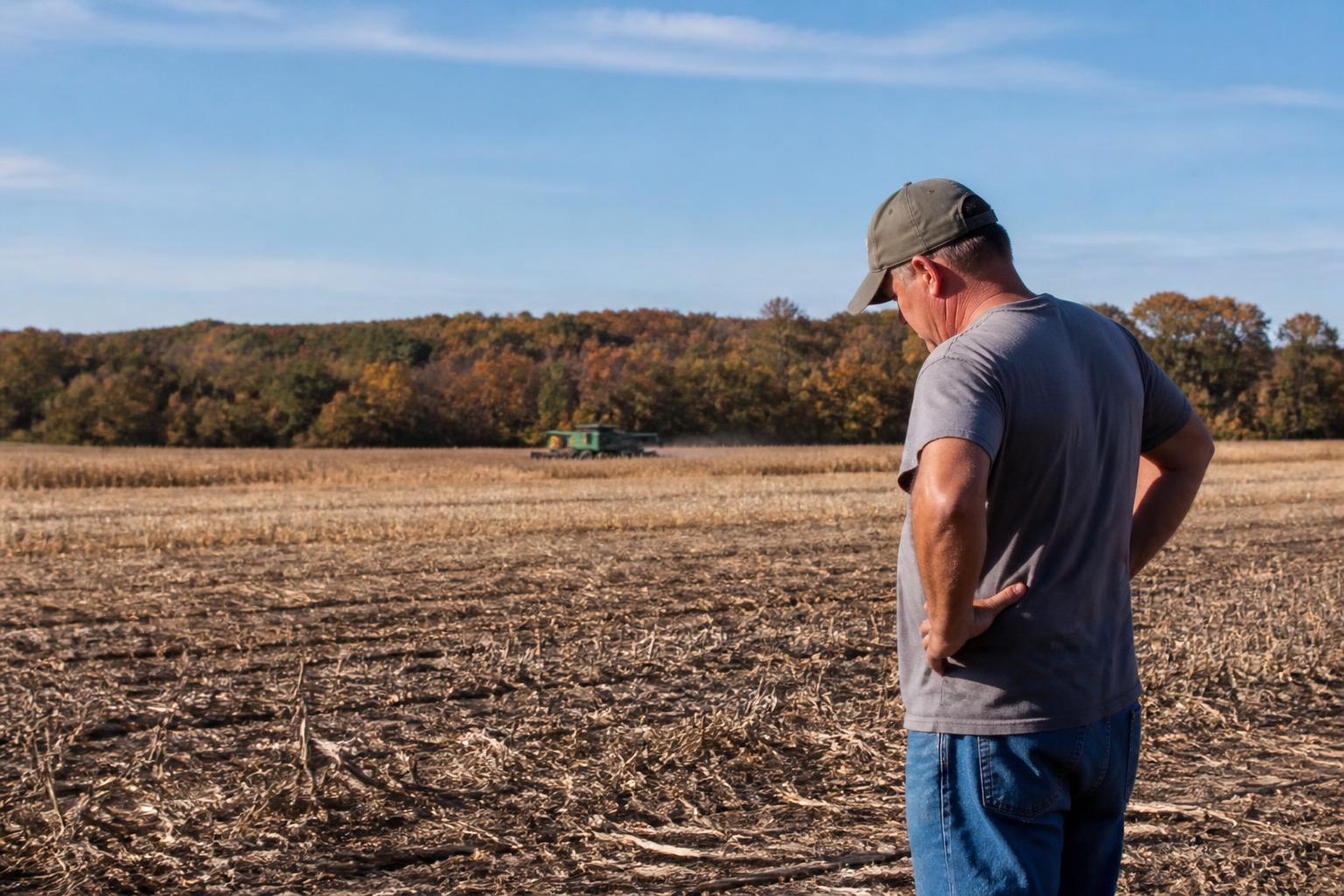
Arkansas growers are facing a complex operating environment as the current season progresses. Between managing evolving herbicide resistance in key crops and addressing reports of persistent dry conditions in some eastern regions of the state, maintaining high-value yield integrity requires an increasingly precise approach to field management.
For those managing rice acreage, the adoption of newer chemistries remains a critical strategy. Tools like fluridone have become significant assets for targeting resistant weeds, such as Palmer pigweed, which continue to challenge traditional control methods. Proper application and integrated management strategies are essential to ensure the longevity of these technologies, as documented in Arkansas field management resources.
Managing Economic and Environmental Pressures
Beyond weed control, producers are balancing broader fiscal and environmental realities. Farmers in some parts of Arkansas have noted that regional drought conditions can complicate early-season planning and soil moisture retention, while global market volatility—often tied to geopolitical instability—continues to influence the bottom line. These compounding factors place an added premium on careful crop protection investments.
Effective risk mitigation often starts with rigorous scouting and data-driven input decisions. As noted in recent updates on crop protection and field challenges, staying ahead of potential pressures through the final stages of the cycle is vital. Furthermore, understanding the intersection of local infrastructure and logistics is key to maintaining operational efficiency, as detailed in our analysis of field management and yield protection.
Key Takeaways for Producers
- Prioritize scouting to identify late-season escape weeds that may harbor seeds for the coming year.
- Continue to emphasize rotation of herbicide modes of action to delay resistance development.
- Monitor soil moisture levels closely, even as harvest activities ramp up, to plan for necessary fall tillage or cover crop establishment.
What it means for the market
For Arkansas agribusinesses and producers, the current market climate demands a conservative approach to input costs paired with aggressive management of crop health. While environmental stressors and input constraints represent tangible risks, the strategic application of advanced crop protection tools remains the primary lever for securing yields against persistent weed threats and ensuring the resiliency of the state's agricultural backbone.
Comments
No comments yet - be the first to share your take.