
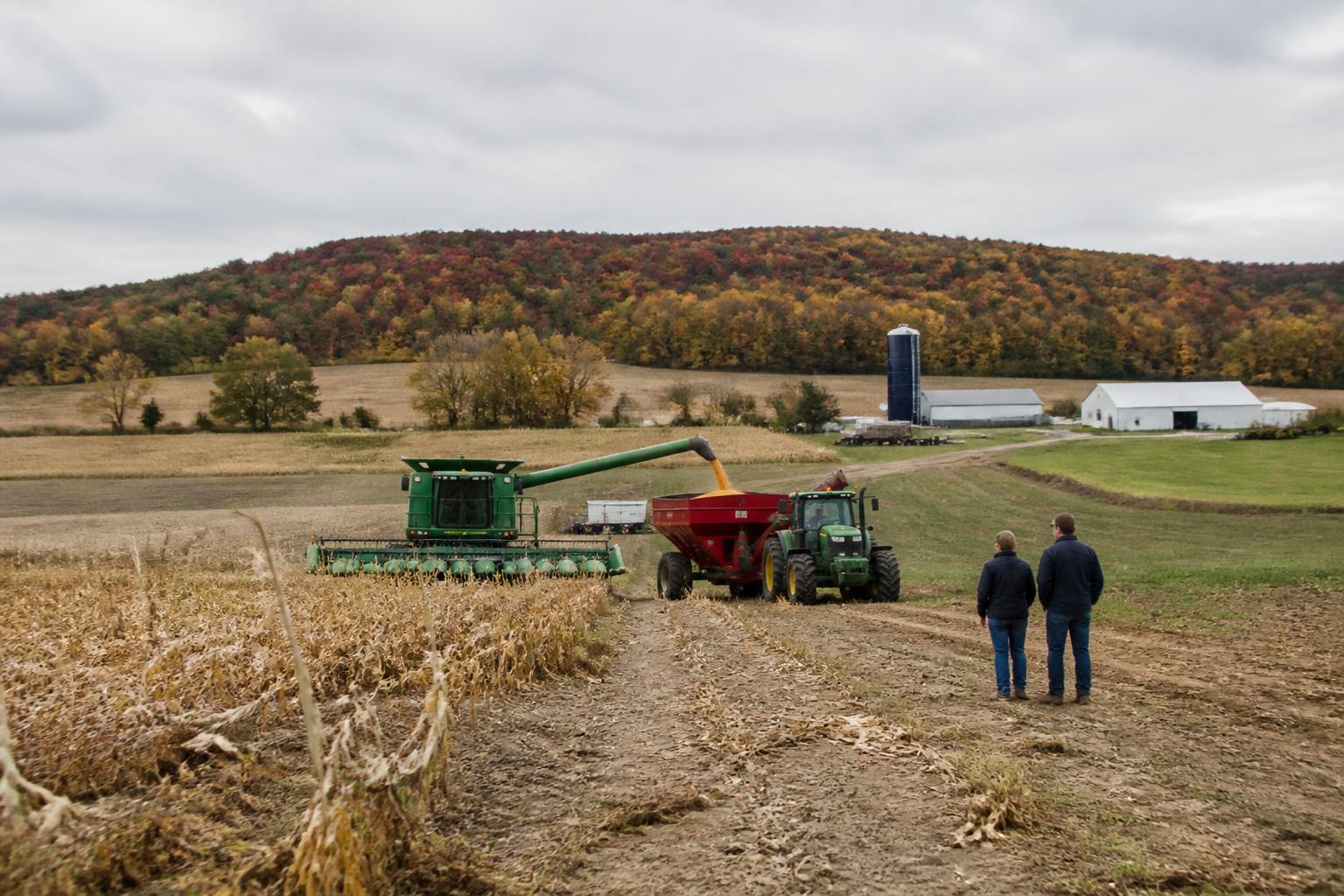
As the fall harvest season progresses across New Jersey, producers are finding that operational efficiency is more critical than ever. The agricultural sector in the Garden State currently faces a squeeze where the rising cost of essential inputs, particularly fuel and fertilizer, continues to challenge long-term financial stability.
While global markets for agrochemicals show sustained demand, local growers are balancing these high entry costs against the realities of the current production cycle. Many operations are focusing on tighter inventory management to mitigate the impact of fluctuating prices as they navigate the peak activities of the season.
Input Cost Pressures and Strategic Adjustments
The financial strain felt by many New Jersey farmers is largely tied to the high price of liquid potassium fertilizers and petroleum products. For operations that rely on precise nutrient management, these input costs represent a significant portion of the total operating budget. Producers are often looking for ways to streamline their logistics, as discussed in our recent look at managing operational safety and inputs during the harvest.
Infrastructure remains a focal point for the state’s agribusinesses as they search for ways to improve bottom-line performance. Whether through investing in better storage or evaluating new technology, regional farms are attempting to insulate themselves from external market shocks. You can read more about how the industry is adapting in our update on the evolution of New Jersey agribusiness with new tech and infrastructure trials.
Policy and Market Outlook
Beyond the field, the broader economic environment for agriculture remains in flux. Uncertainty surrounding national policy, specifically the federal farm bill timeline, creates an additional layer of complexity for farmers looking to plan for the next fiscal year. As these legislative discussions continue, many businesses remain focused on securing their high-value assets during the final push of the harvest period.
What it means for the market: For local growers, input buyers, and logistics providers, the current climate demands a disciplined approach to cash flow. Expect continued interest in cost-efficient supply chain solutions and a cautious outlook toward capital-heavy investments until clearer national policy indicators emerge.
Comments
No comments yet - be the first to share your take.