
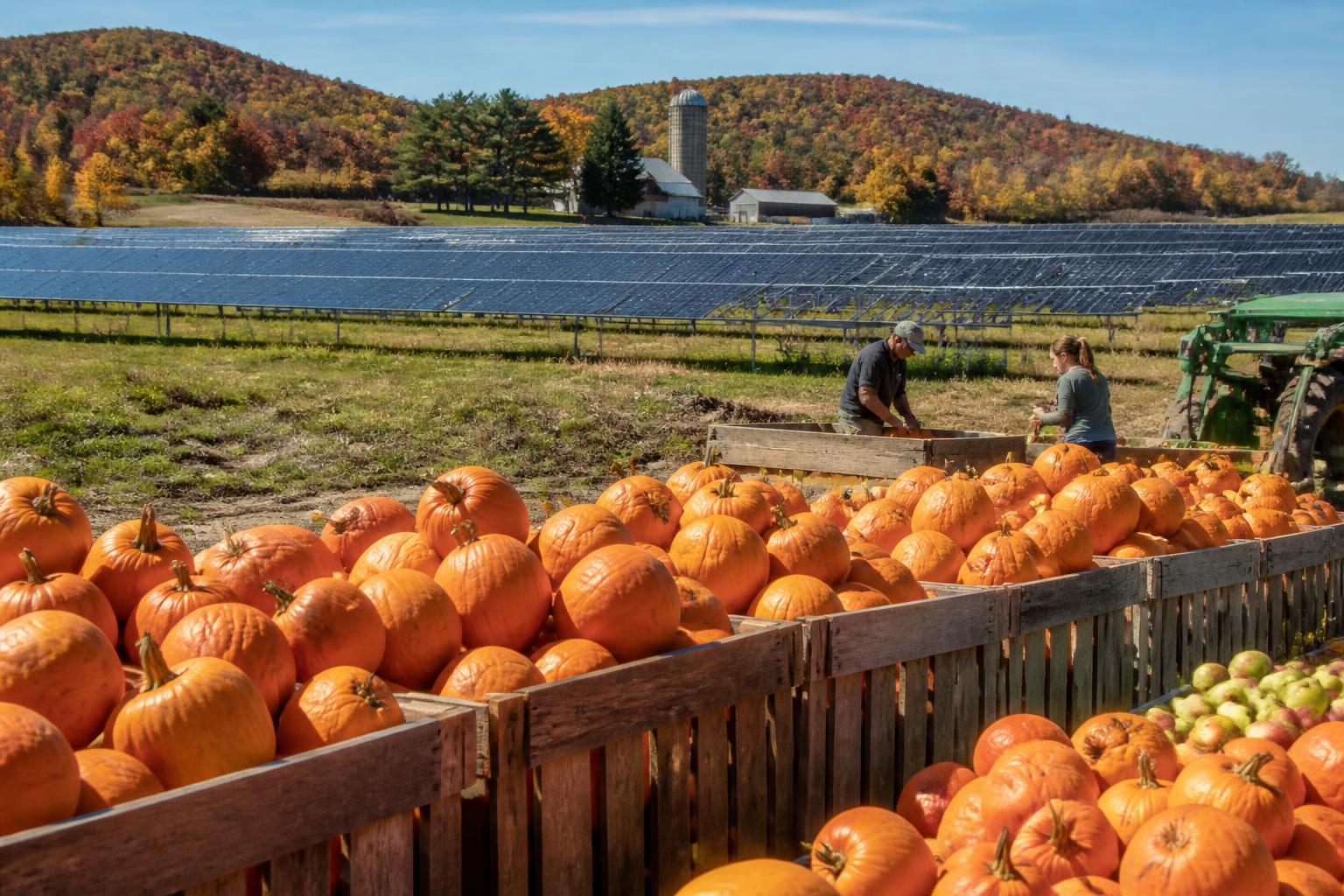
As we move deeper into the fall season, New Jersey's agribusiness sector continues to demonstrate a high degree of adaptability. Recent industry shifts indicate a move toward more sustainable, dual-purpose land use, specifically with the introduction of agrivoltaic projects across the state. These installations, recently approved for various locations in regions such as Warren and Hunterdon counties, reflect a growing trend in combining traditional crop production with renewable energy generation, potentially offering farmers new revenue streams while keeping land in active agricultural use.
Advancing Input and Crop Management
Efficiency remains a top priority for growers as they navigate the complexities of modern farming. Recent capital investments in technologies designed to convert agricultural waste into organic fertilizers underscore the push for more sustainable input cycles. For those managing field logistics and operational security during the current harvest cycle, these developments in local fertilizer production could eventually simplify procurement chains.
Meanwhile, the broader industry remains attentive to ongoing challenges such as labor shortages and external threats, including the management of high-value assets during the fall harvest. Ensuring that the supply chain remains resilient is critical as producers look toward the upcoming season, especially when considering the late-season shifts that often demand careful resource management by local operators.
What it means for the market
For grain handlers, input buyers, and transportation providers, the integration of new technologies suggests a more tech-forward future for the Garden State. As these agrivoltaic sites become operational and new soil amendment products reach the market, operators should anticipate changes in site accessibility and storage requirements. Maintaining agility in your logistics plan will be essential as the state continues to modernize its agricultural infrastructure during this period of transition.
Comments
No comments yet - be the first to share your take.