
Licensing and Certification: The Foundation of Crop Protection
In Tennessee, the Department of Agriculture's Consumer and Industry Services division plays a vital role in regulating pesticide use and ensuring safety across agricultural operations. Farmers and commercial applicators must navigate certification, licensing, and charter processes to ensure all crop protection products are applied legally and safely. Proper training protects both the applicator and surrounding ecosystems, reducing drift risks and chemical runoff into local watersheds.
This regulatory oversight is particularly crucial as summer weed pressures intensify. Growers frequently reference Tennessee crop protection guidelines and summer weed control decisions to stay ahead of resistant weeds while complying with state-mandated application windows and buffer zones. Proper record-keeping and licensing not only ensure compliance but also maintain consumer confidence in Tennessee-grown commodities.
Protecting Specialty Crops, Viticulture, and Pollinators
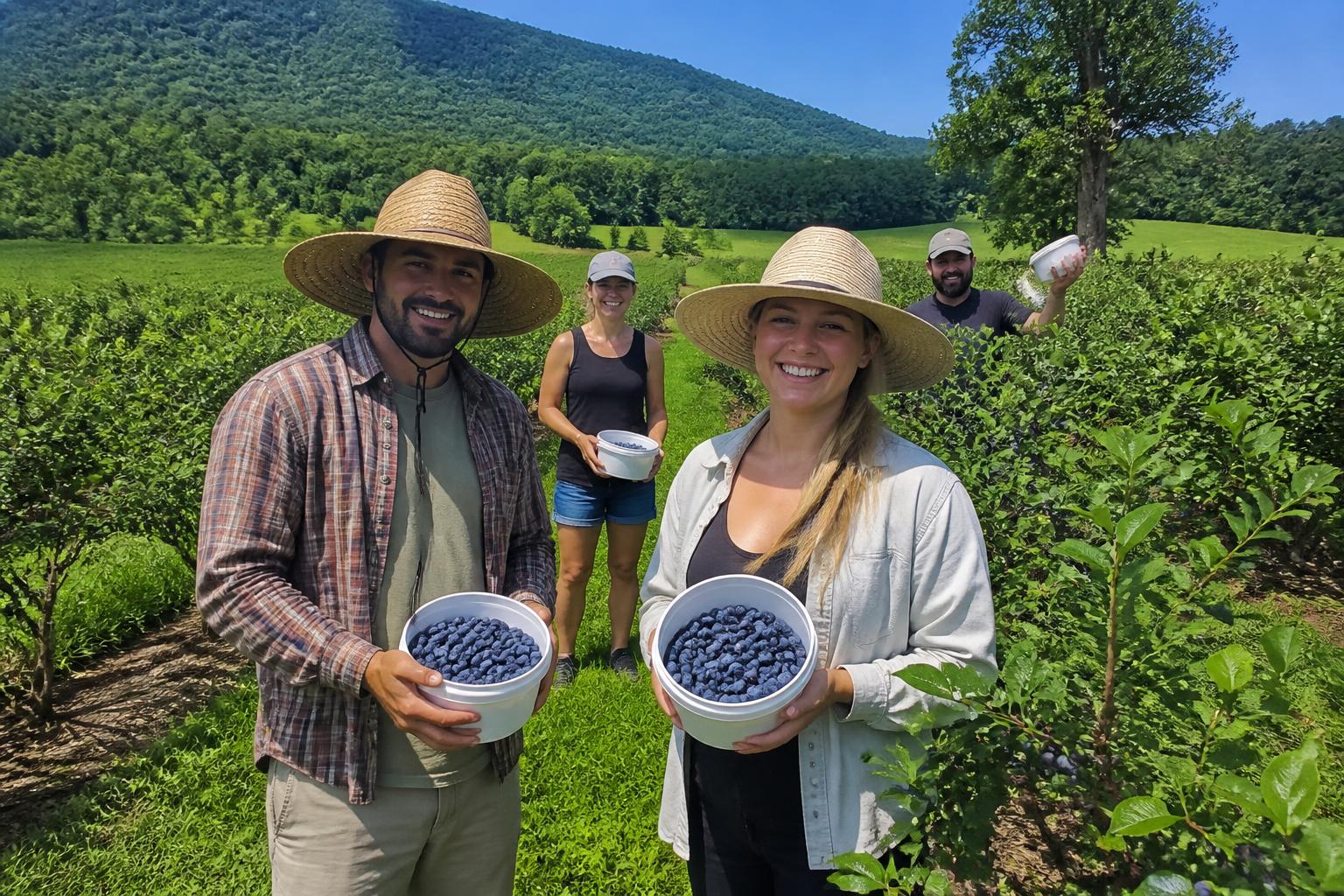
Tennessee's agricultural diversity is on full display during the summer, with berries ripe for picking, vineyards managing active grape production, and agritourism operations welcoming visitors. To support these higher-value niches, programs like the Specialty Crop Block Grant (SCBG) provide essential business development and research funding to improve crop resilience and market access.
Protecting these specialty systems also means safeguarding local pollinator populations. Honeybees are vital to the pollination of Tennessee's specialty crops, and the state's apiculture program emphasizes bee health through hive registration and disease monitoring. Cooperative efforts between pesticide applicators and local beekeepers help prevent accidental hive exposure, ensuring both crop protection and pollinator safety coexist during peak spray seasons.
Farmland Preservation and Conservation Cost-Shares
Beyond active pest management, long-term agricultural protection involves preserving the land itself. The Tennessee Farmland Preservation Act provides tools to protect family farms from rapid urban development, ensuring productive soils remain dedicated to food and fiber production. This focus on preservation is mirrored in forestry initiatives like the Forest Establishment and Improvement Cost Share, which helps landowners manage woodlands, control erosion, and protect watershed health.
Key Takeaways for Tennessee Producers
- Ensure Active Credentials: Verify all applicator licenses, certifications, and business charters are up to date with the Tennessee Department of Agriculture.
- Coordinate with Beekeepers: Utilize state registry resources to identify nearby hives before executing summer crop protection applications.
- Leverage State Support: Explore specialty crop grants and forestry cost-share programs to offset protection and land improvement costs.
What it means for the market
A proactive approach to crop protection and land stewardship directly impacts Tennessee's agricultural market stability. By adhering to certification standards, safeguarding pollinators, and leveraging state-supported preservation tools, producers protect both immediate crop yields and long-term land values. This compliance-driven approach reduces the risk of crop damage, regulatory fines, and market disruptions, ultimately positioning Tennessee's diverse agricultural sectors for a highly competitive and successful harvest season.
Comments
No comments yet — be the first to share your take.