
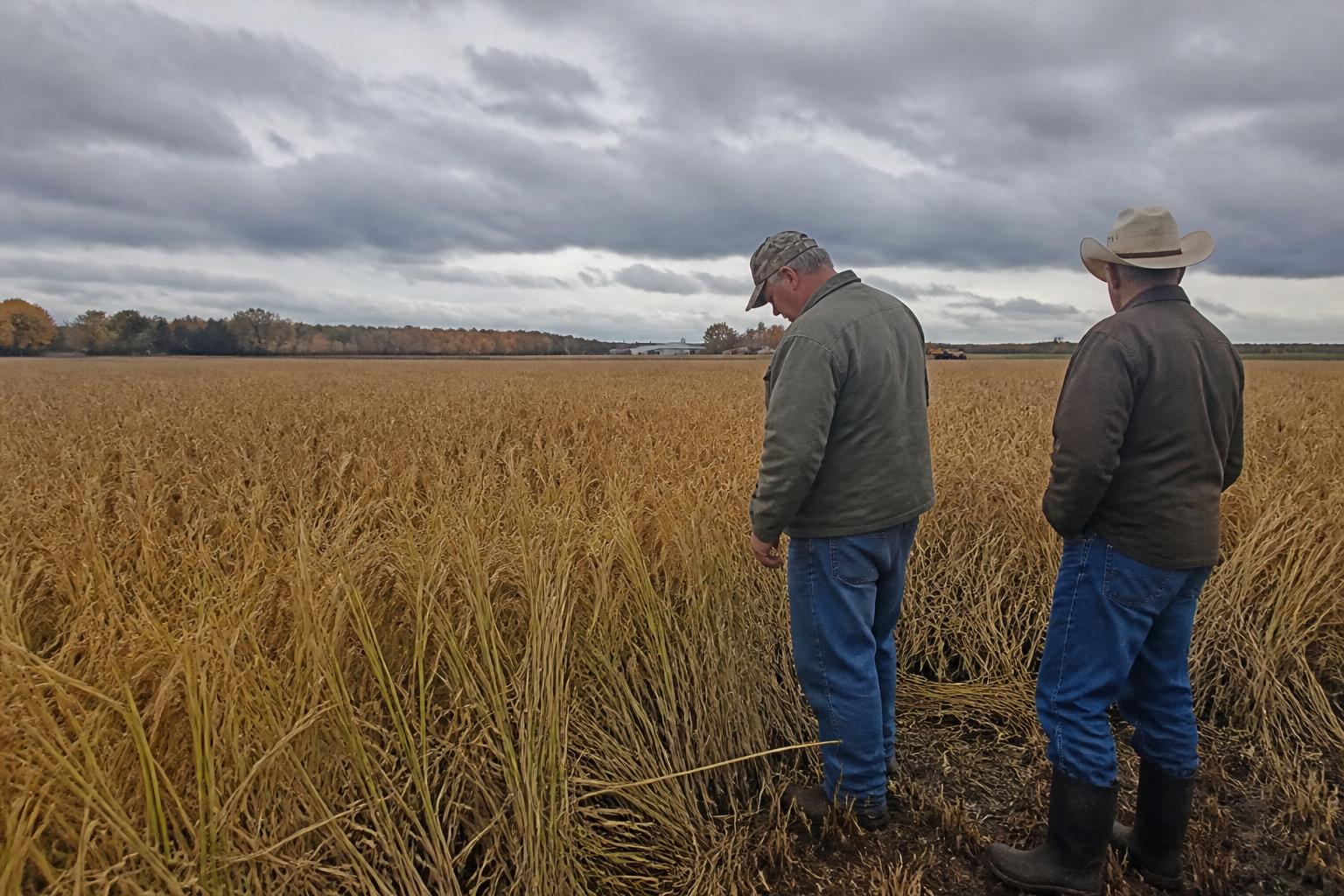
As harvest activity accelerates across the Texas plains, the window for efficient movement of grain remains tight. Producers and grain handlers are navigating a complex environment this fall, where seasonal field operations must contend with shifting weather patterns and the continued reality of high input costs.
For many operators, managing the flow of grain from the field to local elevators or export terminals is a delicate balancing act. Logistical coordination remains a primary focus, particularly as regional infrastructure experiences the typical strain of the peak harvest season. Staying informed on Texas grain logistics and export shifts is increasingly critical for those looking to maintain margins in a volatile market.
Weather Impacts on Harvest Pacing
Recent seasonal weather events have introduced localized hurdles for field crews. Heavy rainfall in some agricultural corridors has, at times, slowed the pace of harvesting and moisture-sensitive operations. These brief windows of downtime can create pressure on drying capacity and storage, requiring producers to coordinate closely with local elevators to manage inventory throughput effectively.
Operational Cost Management
Beyond logistical timing, the broader cost structure for Texas agribusinesses remains elevated. Market watchers note that input prices, particularly for critical fertilizers, are expected to remain high in the coming years. This persistent cost environment influences not only planting decisions for the upcoming season but also the immediate appetite for fuel-efficient transportation strategies during the current harvest surge.
In response to these financial pressures, some industry leaders have sought to leverage new technology and collaborative partnerships. Whether through the exploration of bio-diesel production or the adoption of digital management tools, the industry is searching for pathways to dampen the impact of rising operational expenditures.
What it means for the market
Producers and carriers should anticipate continued volatility as the harvest progresses. With high production costs holding steady and logistics susceptible to weather-driven interruptions, proactive communication with regional storage facilities and fuel suppliers is essential. Tight coordination will be the most effective hedge against the logistical bottlenecks that often emerge during the peak of the fall season.
Comments
No comments yet - be the first to share your take.