
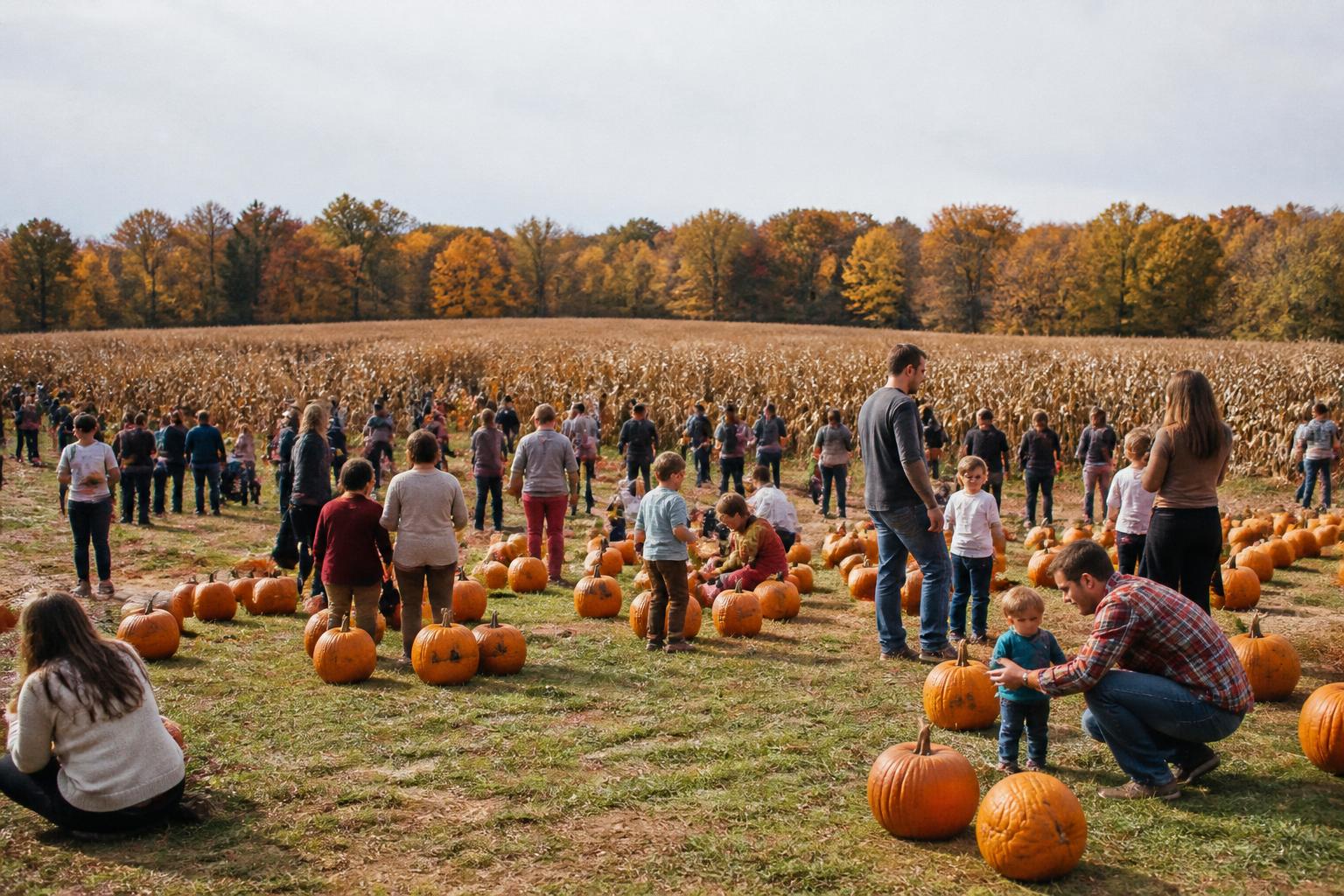
Harvest activity is reaching a steady cadence across Kentucky fields as favorable fall conditions allow for consistent progress. For producers and grain handlers, the current window is defined by balancing immediate field throughput with the realities of regional transport and evolving infrastructure demands. As local operations peak, the focus remains on maintaining efficiency from the combine to the bin and beyond to the elevator.
The current logistics environment reflects the complexities of moving seasonal volumes through diverse corridors. Successfully navigating these shifts often involves proactive coordination with local carriers to manage the flow of grain, particularly as transport capacity remains a critical variable for those looking to capitalize on market opportunities. Farmers and agribusinesses are encouraged to stay closely aligned with regional partners to mitigate bottlenecks during this high-traffic period.
Aligning Logistics with Harvest Flows
Managing the movement of grain during the fall harvest cycle requires a keen eye on both local road conditions and downstream elevator capacity. In many parts of the state, maintaining a clear line of communication with logistics providers can help smooth out the peaks in demand that typically accompany the height of the season. As field progress continues, keeping a flexible plan for hauling is often a strategy used to avoid delays.
Market Signals and Production Insights
Beyond the field, the broader agricultural landscape in Kentucky is adjusting to shifting economic signals. While global food prices have seen fluctuations in recent months, the local farm sector continues to show resilience, with some projections even pointing toward the potential for record receipts. For operators, staying informed on grain pricing trends and regional buyer activity remains essential for making well-timed sales decisions.
Infrastructure and Future Capacity
Investments in long-term infrastructure, including recent developments in research facilities, reflect a commitment to strengthening the state's agricultural backbone. While immediate concerns remain focused on the current harvest, these ongoing improvements in research and processing capabilities may eventually provide more stability for Kentucky producers. Ensuring that short-term logistics strategies align with these longer-term goals is a priority for many as the industry prepares for the winter months ahead.
What it means for the market
For Kentucky farmers and agribusinesses, the current market is marked by high productivity and the need for agile logistics. By leveraging local network insights and monitoring regional grain movement trends, participants can better navigate the seasonal influx, ensuring that the fruits of a strong harvest are effectively brought to market.
Comments
No comments yet - be the first to share your take.