
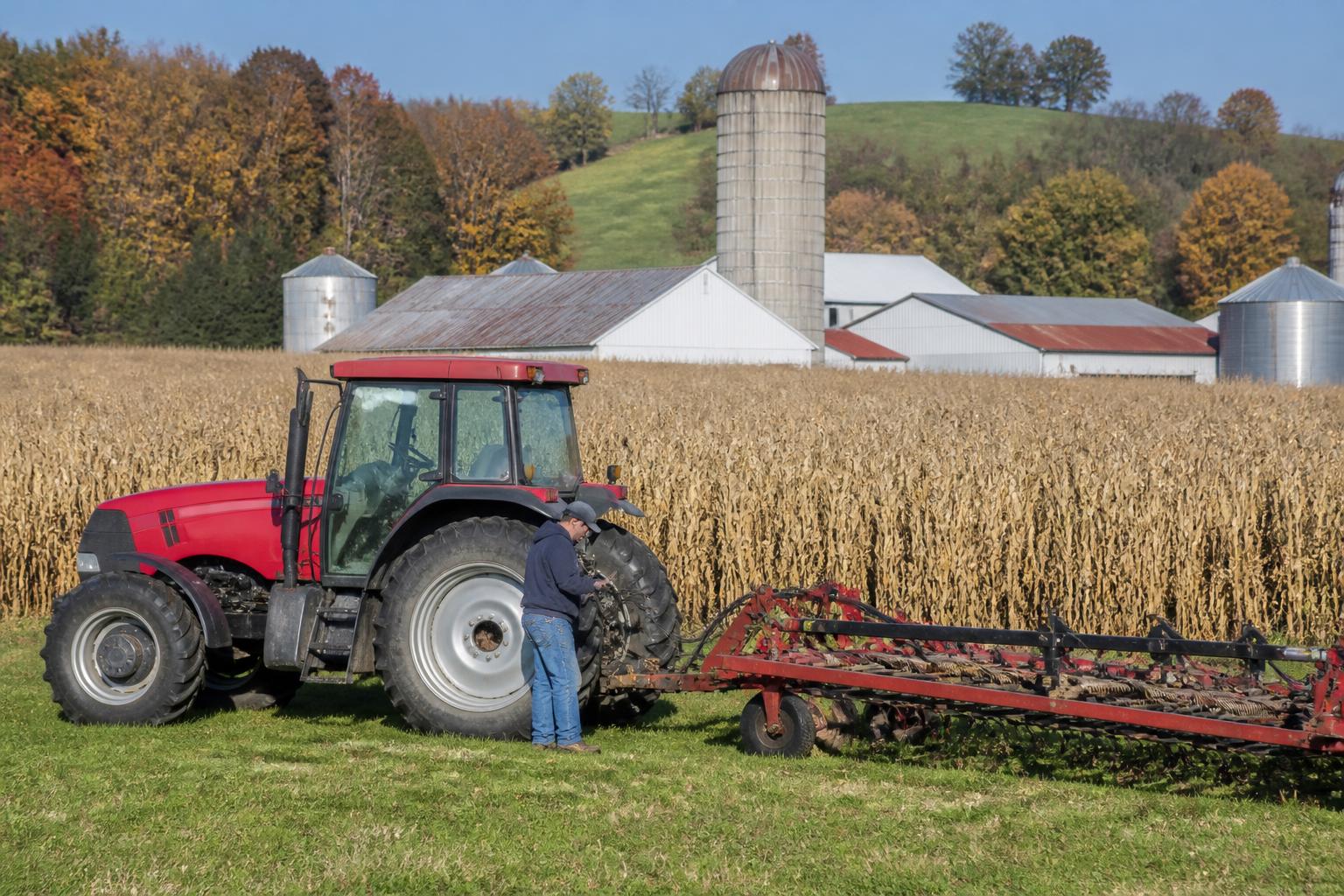
With the autumn harvest season in full swing, Kentucky producers are navigating a busy period for regional logistics. Maintaining momentum during these critical weeks requires a reliable flow of grain and commodities from the field to local elevators and processing facilities. Across the state, agricultural leaders and local officials are increasingly focused on shoring up rural transportation networks to ensure that harvest equipment and heavy grain trucks can move efficiently.
Recent agreements between local fiscal courts and agricultural interests reflect a broader effort to improve the infrastructure that supports the state's farm output. These upgrades are vital, as they help mitigate the bottlenecks that often occur when high-volume logistics demands collide with aging rural roads and bridges. Keeping this movement seamless is a top priority for those managing Kentucky harvest logistics as fall conditions hold steady.
Adapting to Evolving Logistics Demands
The pressure on the transport sector is intensified by the ongoing need for precise input management and the integration of new production technologies. As growers continue to optimize their operations, the demand for reliable, modern infrastructure remains high. This is particularly relevant as producers evaluate their equipment and the logistics chains necessary to move specialty crops like rye or traditional staples like burley tobacco toward end markets. Improving Kentucky's evolving logistics landscape is an ongoing process that requires constant coordination between farmers, commercial carriers, and local authorities.
Building Resilience in the Supply Chain
Strategic investment remains a focal point for those looking to resolve long-standing supply chain issues. By focusing on localized improvements, Kentucky communities can better handle the volatility often seen during peak agricultural windows. Producers who prioritize proactive communication with local grain handlers and trucking partners may find themselves better positioned to weather seasonal capacity constraints as more volume moves through the state’s regional transit corridors.
What it means for the market
For Kentucky farmers and agribusinesses, the current environment underscores the necessity of planning ahead for transport. As infrastructure projects materialize and the fall harvest continues, the ability to secure reliable shipping capacity will be a key differentiator. Stakeholders should continue to monitor local road conditions and grain facility throughput to stay ahead of potential delays in the coming weeks.
Comments
No comments yet - be the first to share your take.