
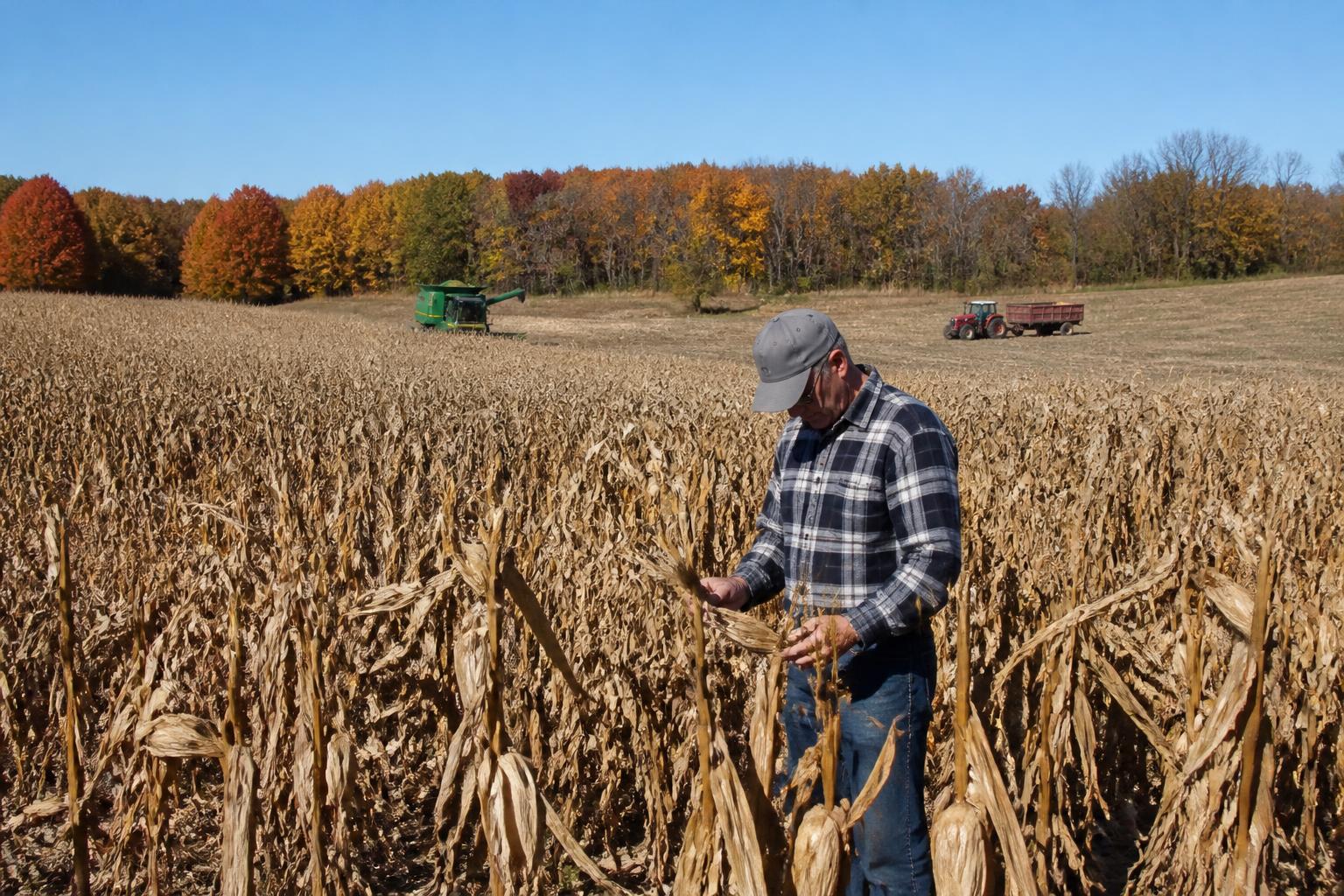
Michigan agricultural producers are navigating a transitional period this fall, balancing the realities of current input costs with long-term strategic planning. As the harvest cycle progresses across the state, from the thumb region to the southern tiers, the focus for many agribusinesses is shifting toward soil preparation and the financial outlook for upcoming seasons.
Recent developments in domestic sourcing may eventually alter the state's reliance on external fertilizer supplies. Notable projects aimed at developing potash mining capacity in Michigan could, if successful, enhance the regional availability of potassium-based inputs by 2025. Such shifts are significant for growers, as localized supply chains can help mitigate some of the volatility seen in national fertilizer markets, where prices for various nutrients have shown mixed performance throughout the year.
Input Planning in a Volatile Market
For many farmers, managing input costs remains a primary concern. The ongoing challenge of keeping operational expenses aligned with grain market fluctuations requires careful use of available decision-support tools. Whether planning for corn varieties or soil amendments, producers are increasingly leaning on regional expertise and available agricultural management practices to optimize their yield potential. Staying informed on global trade pressures affecting the fertilizer market is essential for those looking to lock in input costs before the next planting window.
Furthermore, logistics and supply chain stability continue to influence the bottom line. As fuel prices remain a point of discussion among economists, understanding the broader landscape of input delivery is critical. Producers are encouraged to keep a close eye on harvest-related logistical bottlenecks that can indirectly impact the timely delivery of fall fertilizers and other essential supplies.
Looking Ahead
Beyond inputs, the broader agricultural community in Michigan is focusing on resilience. With new initiatives aimed at fostering connections between local communities and farmers, there is a renewed push to strengthen the regional agricultural economy. As producers wrap up the current season, they are also encouraged to utilize resources such as the 2027 cost of production projection tools now available, which can provide a clearer picture for multi-year financial planning. For those handling grain, managing storage and transport capacity remains a vital part of maintaining profitability during these final months of the year.
What it means for the market: For Michigan growers, the combination of potential new local potassium sources and continued volatility in global fertilizer pricing signals a need for cautious, data-driven procurement. By leveraging state-provided tools and keeping a pulse on regional supply chain developments, agribusinesses can better navigate the current economic environment and position themselves for a stable 2027 cycle.
Comments
No comments yet - be the first to share your take.