
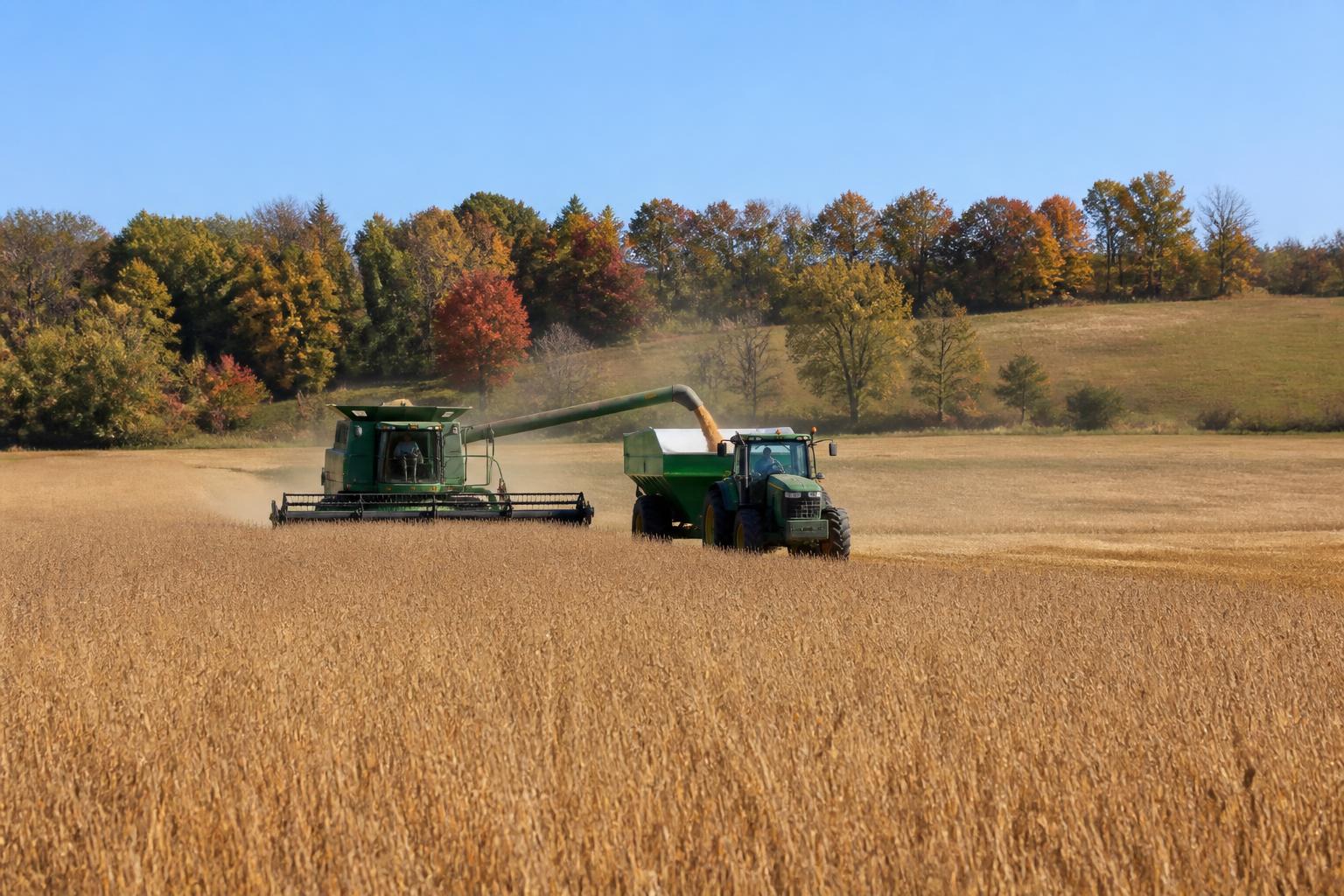
The arrival of the fall harvest across Michigan brings a familiar surge in logistical activity. As machinery moves across fields from the thumb region to the southern counties, the pressure on local grain handling facilities and regional transportation networks tends to climb. For farmers and elevator operators, navigating these seasonal peaks often requires a combination of early staging and proactive communication to mitigate potential delays in moving crop to storage or processing sites.
Maintaining an efficient flow of goods remains a priority as demand for transport services heightens. Growers often look toward strategic regional hubs, such as the Port of Monroe and other key infrastructure points, to facilitate better regional distribution. When capacity at major elevators tightens, the ability to diversify delivery options can prove vital for minimizing downtime during critical harvest windows.
Aligning Input Strategy with Harvest Realities
While the focus is currently on moving grain off the field, many agribusinesses are already looking ahead to next year's inputs. Recent volatility in fertilizer pricing has prompted many producers to evaluate the timing of their supply purchases. Understanding the nuance between immediate market availability and long-term price security is becoming a staple of operational planning for both family farms and larger commercial operations.
Safety and Operational Preparedness
High-tempo operations in the field and on the road also underscore the importance of safety initiatives. Local organizations have been active in securing grants for specialized training, such as grain rescue safety, which serves as a reminder that efficiency should never come at the expense of personnel protection. Ensuring that all crew members and logistics partners are well-versed in site safety protocols helps maintain operational stability throughout the demanding harvest months.
What it means for the market
For the Michigan producer, the current landscape suggests a need for a flexible approach to both outbound logistics and inbound input procurement. By leveraging available regional infrastructure and staying informed on local market developments, farmers can better position themselves to navigate the inherent pressures of the autumn season, ensuring that the fruits of their labor reach their destination with as little friction as possible.
Comments
No comments yet - be the first to share your take.