
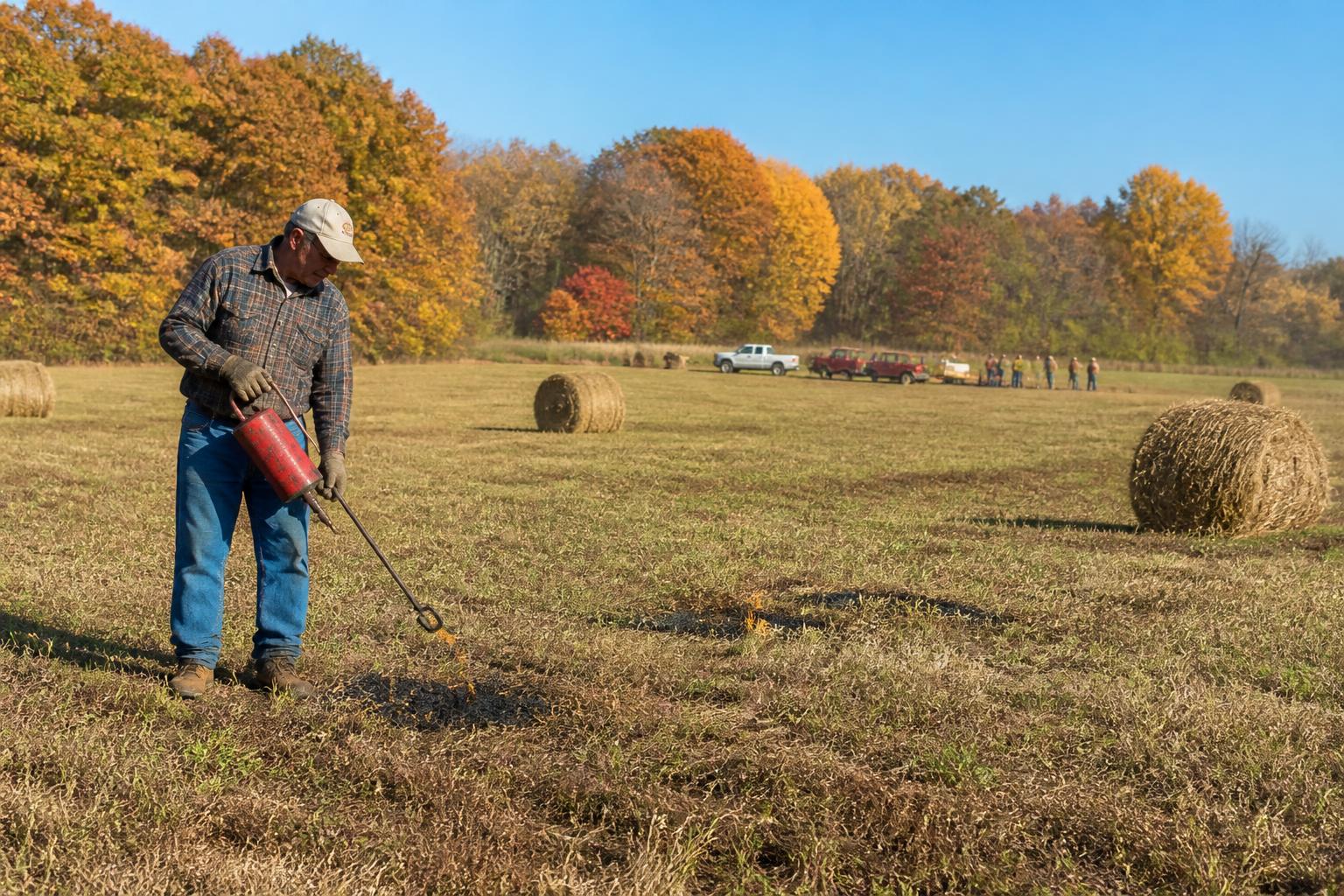
Protecting Tennessee Crops During Peak Harvest
As the fall harvest progresses across Tennessee, dry conditions and high seasonal activity are prompting state officials to issue reminders on fire prevention. For producers in major agricultural hubs, from the rolling hills of Middle Tennessee to the river bottoms of the West, the combination of mature, dry crops and the heat generated by machinery can create a high-risk environment for field fires.
Operational vigilance is currently at a premium as growers push to move grain efficiently. Ensuring that equipment is well-maintained to prevent sparks and that field operations remain compliant with local safety guidelines is essential for safeguarding this year's output. Careful management of fall environmental risks remains a core component of preserving crop quality and regional supply chain stability during this busy window.
Logistical and Safety Coordination
The state has noted that fire suppression resources are currently deployed across multiple states, which may impact the availability of emergency personnel in the region should incidents occur. For elevators and transport operators, this underscores the necessity of having onsite fire suppression equipment ready and ensuring that all personnel are familiar with emergency protocols in the event of an equipment fire.
What it means for the market
Proactive fire management is not just a safety imperative but a financial one. A loss of crop or critical harvesting equipment due to fire during peak weeks can cause severe disruptions to local delivery schedules and overall farm-gate profitability. By prioritizing field safety now, Tennessee producers can help ensure a smoother transition through the remainder of the harvest season and avoid costly, unplanned operational pauses.
Comments
No comments yet - be the first to share your take.