
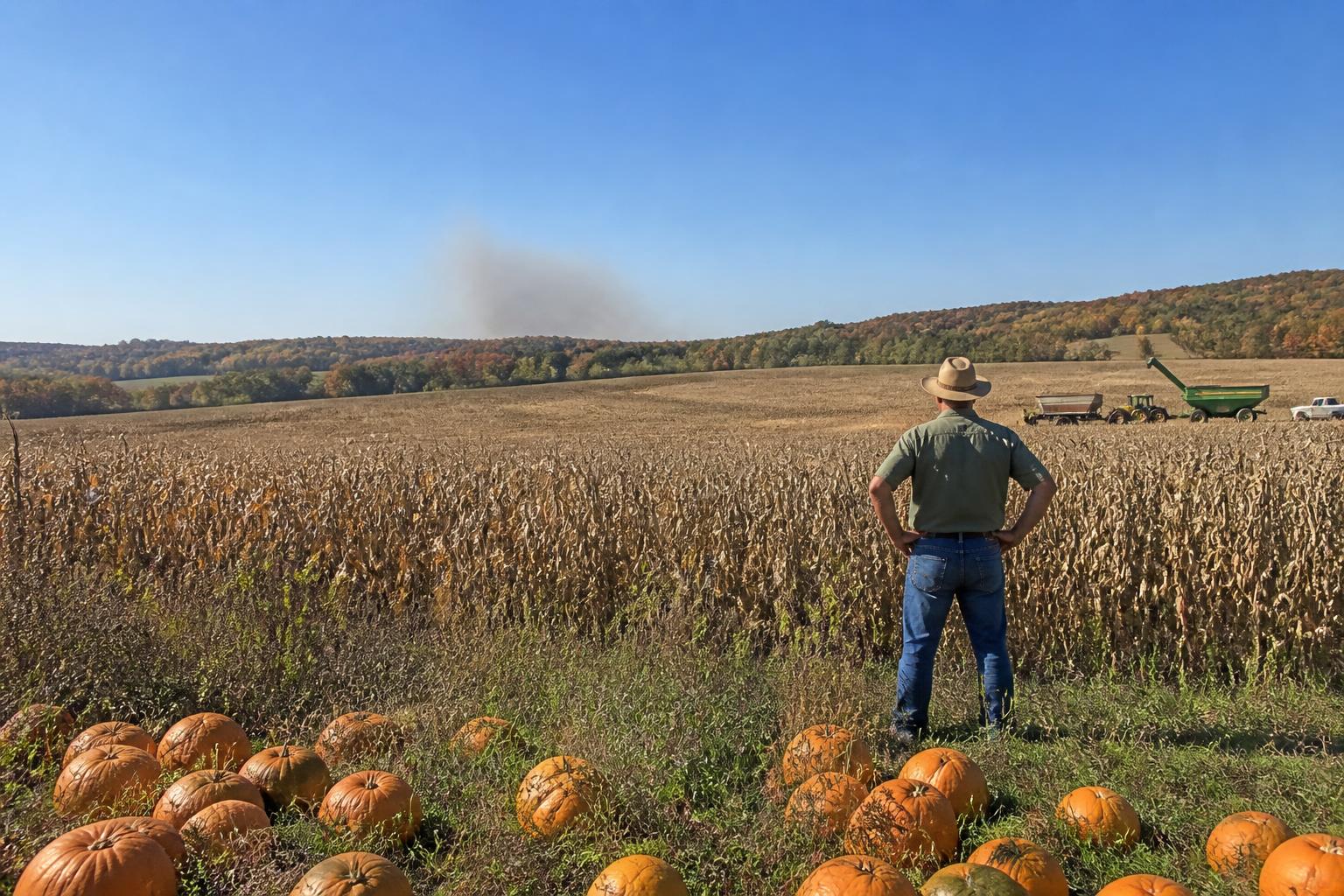
Managing Harvest Flow in Tennessee
As the fall season progresses, Tennessee producers are actively navigating the complexities of harvest. Maintaining efficient crop flow and logistics remains a priority for growers across the state. Farmers in regions like the Upper Cumberland and Middle Tennessee often focus on optimizing transit from the field to regional elevators, where managing intake capacity is critical during peak harvest windows.
Environmental and Operational Context
Producers are balancing these logistical demands with environmental variables. Recent seasonal shifts underscore the importance of preparation, as farmers in some parts of the state have had to address issues ranging from soil moisture management to the volatility of regional weather patterns. Following earlier spring efforts where producers employed techniques to protect crops from fluctuating temperatures, current operations emphasize the necessity of monitoring field conditions closely to ensure optimal harvest outcomes.
Resource Allocation and Risk Mitigation
The resilience of Tennessee agriculture is often tested by environmental factors, including drought conditions or the persistence of invasive weeds, which can impact bottom lines. Smart resource management, such as tactical weed control and moisture conservation, has become an increasingly essential strategy for long-term viability. As operations continue, producers are also mindful of how regional stressors, including fire response efforts, may indirectly influence local support infrastructure or road access near key transport arteries.
What it means for the market
For Tennessee agribusinesses and carriers, the current period requires agility. Ensuring that logistics and transport routes remain fluid is vital as local elevators reach capacity. Producers who stay ahead of logistical bottlenecks and maintain strict oversight of harvest quality stand to benefit as supply chains adjust to the late-season influx of commodities.
Comments
No comments yet - be the first to share your take.