
For North Carolina farmers and grain elevators, the mid-October push represents a critical intersection of high-volume product movement and long-term facility planning. As harvest activities ramp up across the state, from the eastern coastal plains to the rolling hills of the Piedmont, logistics chains are facing the typical seasonal pressures that accompany high-capacity throughput.
Maintaining fluid movement during the fall requires more than just efficient machinery; it demands a proactive approach to regional infrastructure. Managers at local grain facilities often find that coordinating transportation schedules and managing wait times at hubs along major freight corridors is essential for preventing bottlenecks. For those looking to optimize their logistical workflow, the current environment underscores the value of提前 (proactive) communication with carriers regarding load-out windows and local road conditions.
Refining Input and Storage Operations
Beyond the immediate grain movement, the broader agricultural sector is also seeing renewed interest in the safety and efficiency of input handling. Recent industry discussions have highlighted the importance of regulatory compliance for fertilizer storage facilities, particularly following incidents that have prompted sharper scrutiny of workplace safety standards. For agribusinesses and independent operators, this serves as a reminder that robust facility design and adherence to safety protocols are as vital to the bottom line as the crop being stored.
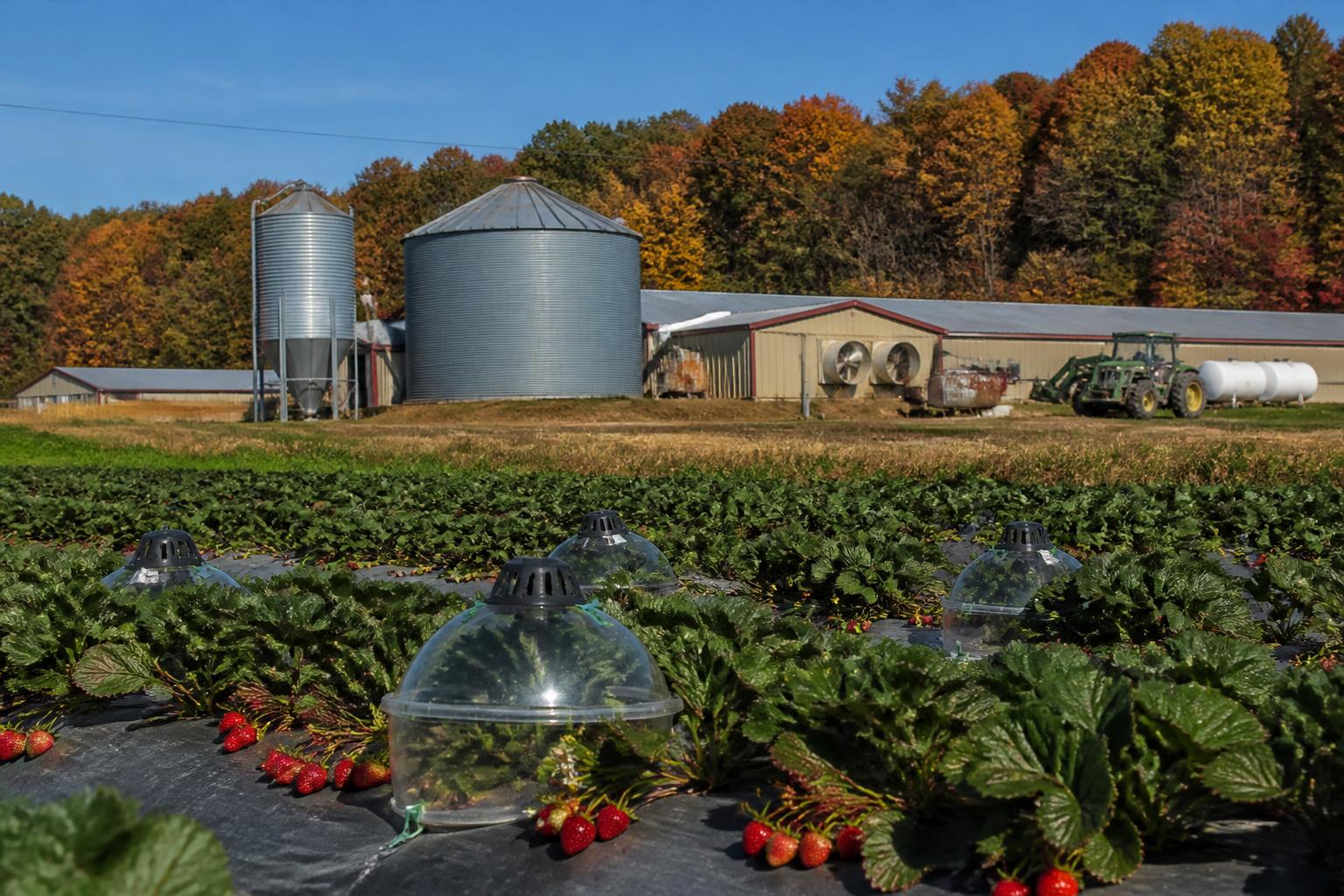
Simultaneously, innovation in the field continues to provide buffers against variable conditions. Research into enhanced efficiency fertilizers and protective coverings for high-value specialty crops like strawberries shows promise for improving bottom-line outcomes, even when logistics are tight. By investing in these technologies, growers are finding ways to stabilize yields, which in turn helps smooth out the supply volatility that often ripples through the regional transport network.
What it means for the market
For market participants, the current season reinforces the need for structural stability. With North Carolina maintaining a strong national standing in fruit and vegetable production, the emphasis on facility safety and infrastructure investment is not merely regulatory; it is a core component of the state's competitive edge. As the fall season progresses, those who prioritize communication with transportation partners and maintain rigorous safety standards in their storage operations will be best positioned to handle the seasonal volume while mitigating potential disruptions.
Comments
No comments yet - be the first to share your take.