
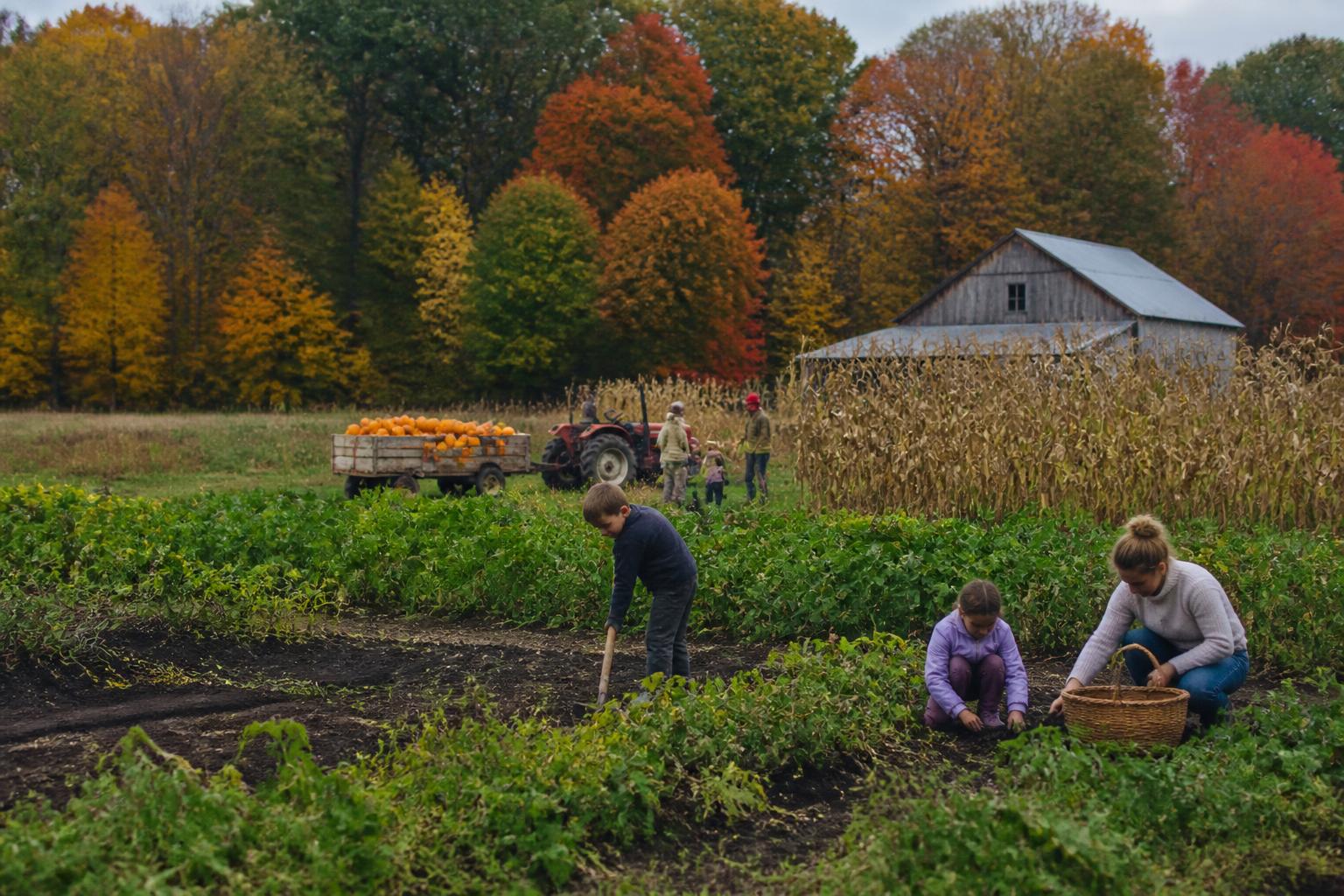
With the autumn harvest season now in full swing, North Carolina producers are once again focused on the critical task of moving grain from fields to storage and processing facilities. As growers across the state ramp up operations, maintaining consistent logistics flow is essential, though regional infrastructure projects may introduce localized hurdles for transport carriers.
Maintaining awareness of road and bridge work is a standard part of operational planning this time of year. For instance, ongoing infrastructure maintenance, such as bridge removals and associated detours on major corridors like I-26, can influence transit times for heavy trucks hauling corn and soybeans. Staying updated on real-time traffic management through state transportation resources can help operations avoid unnecessary bottlenecks and manage seasonal traffic fluctuations effectively.
Optimizing Harvest Flow
As the market continues to signal shifting demand for row crops, maximizing efficiency during the peak of the fall season is more important than ever. Whether managing short-haul transport to local elevators or coordinating longer hauls to regional processing hubs, precision in routing can mitigate the impact of reduced road capacity. Operators often find that coordinating closely with carriers early in the day can help circumvent peak-hour congestion in high-traffic zones.
For those managing the logistical demands of the season, understanding the interplay between harvest timing and regional road restrictions remains a priority. In areas with significant agricultural density, simple adjustments in delivery scheduling can yield meaningful improvements in turn times. For further insight into managing these complexities, review our recent coverage on navigating harvest flow amid infrastructure delays.
What it means for the market
For North Carolina agribusinesses, the combination of harvest-driven volume and localized construction requires a proactive approach to logistics. By monitoring project alerts and adjusting transport schedules to account for potential detours, producers and handlers can better protect their margins from unnecessary delays. As we progress through October, consistent communication between field teams, trucking partners, and local grain facilities will be the deciding factor in maintaining a seamless harvest supply chain.
Comments
No comments yet - be the first to share your take.