
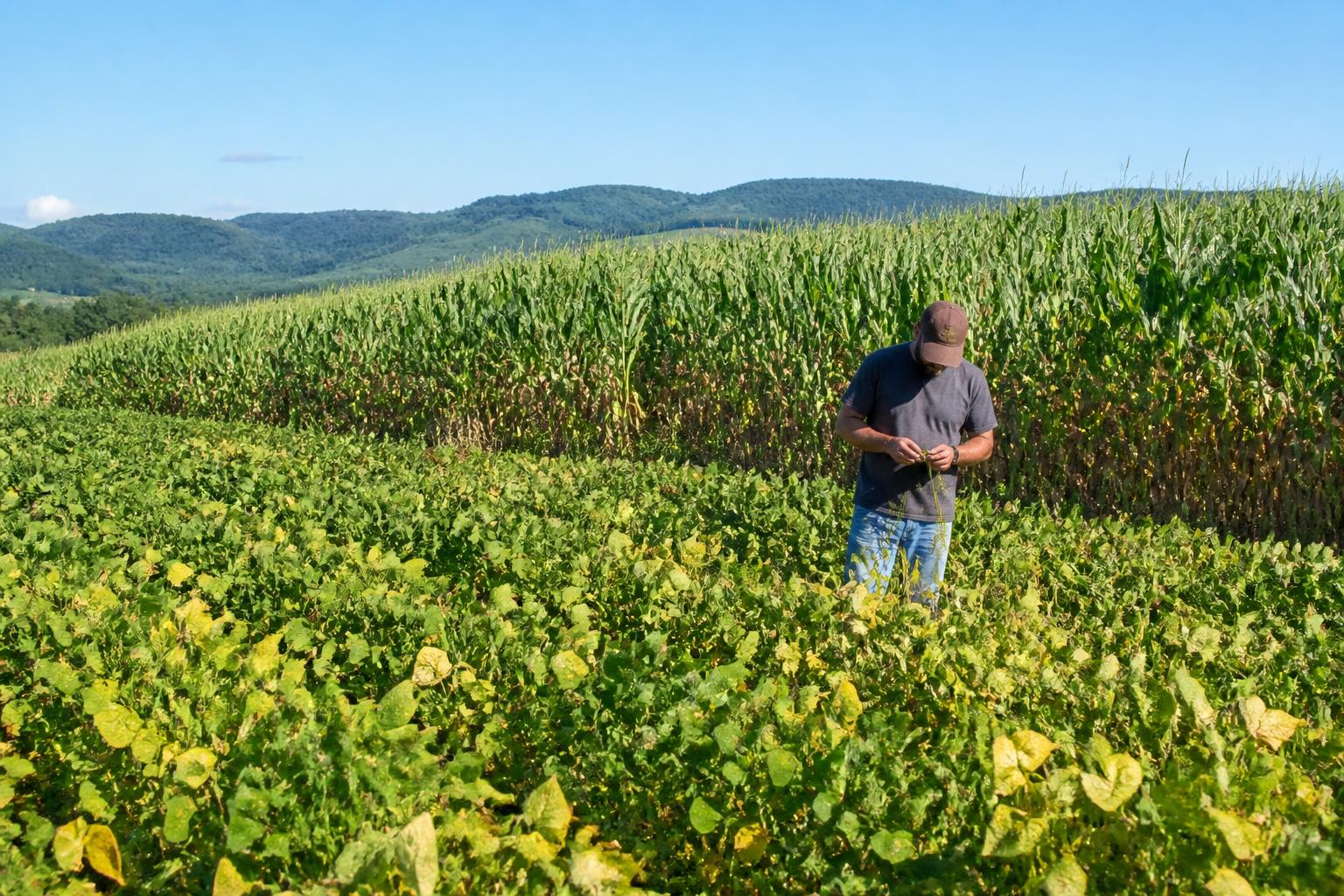
As summer heat intensifies across the Commonwealth, Virginia producers are navigating a highly challenging growing season. Significant downward pressure on traditional grain yields, particularly corn, has forced a strategic reassessment of crop portfolios. From the Shenandoah Valley to the coastal plains of the Northern Neck, farmers are adapting to shifting market dynamics, fluctuating input costs, and changing weather patterns.
Soybeans Claim the Top Spot Amid Corn Yield Pressures
Virginia's corn growers are bracing for a disappointing crop season as unfavorable weather conditions suppress potential yields across many regions. In contrast, soybeans have officially risen to become Virginia's most valuable crop, reflecting a broader structural shift in regional acreage. This transition provides a crucial buffer for local grain elevators and handlers who must adapt to changing feedstock volumes.
While soybeans offer better financial resilience this season, keeping them healthy remains a priority. To combat these pressures, producers are also re-evaluating their management plans, particularly when managing crop protection and disease risks amid summer drought conditions.
Sorghum Emerges as a Drought-Tolerant Option
With corn yields trending downward, agricultural extension specialists and regional growers are increasingly viewing grain sorghum as a viable alternative. Well-suited for the sandy soils and hot, dry summers typical of some southern and coastal parts of the state, grain sorghum presents a lower-input alternative that fits into existing crop rotations. This crop offers similar feed value to corn but requires less moisture, making it an attractive risk-management tool for livestock producers and grain buyers alike.
Input Volatility and Macroeconomic Headwinds
Beyond local agronomic challenges, Virginia's agricultural sector continues to grapple with macroeconomic pressures. High fuel costs, driven by geopolitical tensions, directly impact the bottom line at the farm gate. Transporting inputs to rural counties or hauling harvested grains to major export terminals like the Port of Virginia remains expensive. Additionally, long-term recovery from inflationary spikes has compounded the stress on family-run operations, forcing grain handlers and animal protein integrators to tighten their operational margins.
Key Takeaways for Virginia Producers
- Soybeans have solidified their status as Virginia's most valuable cash crop.
- Corn yields face significant downward trends, prompting interest in alternative grains.
- Grain sorghum is gaining traction as a resilient, low-input option for dry summer conditions.
- Geopolitical events and input inflation continue to elevate transport and operating costs across the state.
What it means for the market: For Virginia agribusinesses, the shift toward soybeans and climate-resilient alternatives like grain sorghum represents a necessary pivot to mitigate dry summer conditions. Buyers and logistics providers should prepare for tighter domestic corn supplies and adjust their storage and transport strategies to accommodate shifting crop volumes moving toward regional feed mills and export facilities.
Comments
No comments yet - be the first to share your take.