
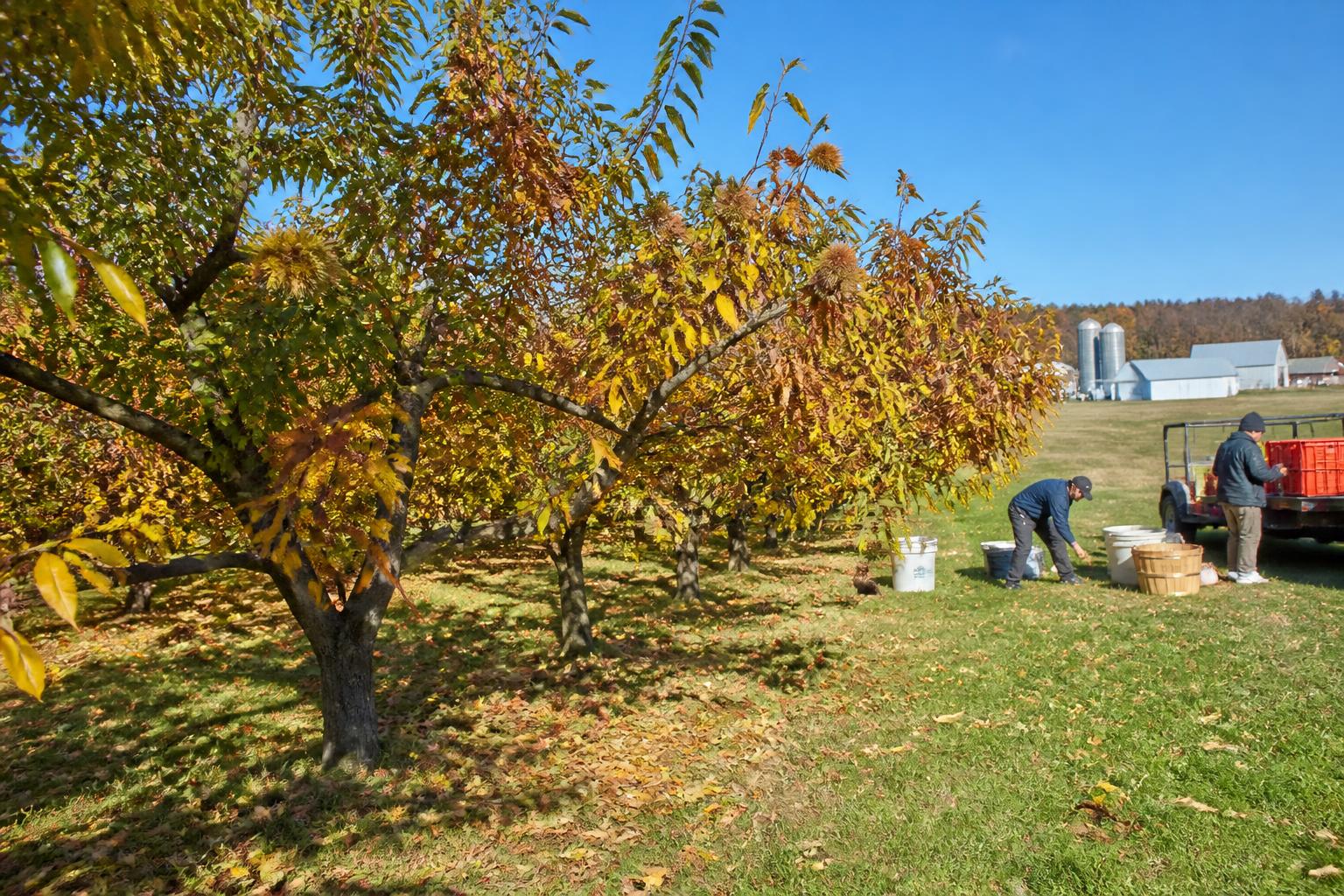
The Michigan harvest season is in full swing, bringing a surge of activity to rural logistics networks across the state. From the grain-heavy fields of the southern counties to the specialty crop regions, transport operations are currently facing the typical seasonal strain of moving high volumes of commodities toward elevators and processing facilities. For many Michigan agribusinesses and grain handlers, the focus is now on ensuring efficient movement through major state corridors while navigating the volatility of the broader farm economy.
Input costs remain a significant factor for producers, with recent market shifts keeping pressure on margins. As farmers finalize their harvest plans, many are keeping a close watch on how these price fluctuations influence the long-term viability of upcoming planting cycles. For insights into how these variables are impacting local infrastructure, Michigan harvest season logistics remain a critical component of risk management for local operators.
Managing Supply Chain Hurdles
Efficient movement of goods remains the primary challenge during this peak period. Carriers and grain elevators often face bottlenecks as regional road networks experience increased heavy-vehicle traffic. In parts of West and Central Michigan, local logistics providers are working to streamline throughput, though variable demand in the broader agricultural economy can occasionally complicate scheduling for freight and storage.
The Bottom Line for Producers
With the season progressing, the emphasis is on operational efficiency. Keeping equipment maintained and coordinating closely with local transport partners can help mitigate some of the uncertainties inherent in the current market environment. While the agricultural sector faces pressure from both input costs and logistical bottlenecks, proactive planning remains the most effective strategy for managing localized disruptions.
What it means for the market
The current harvest landscape in Michigan highlights the need for continued vigilance regarding supply chain costs and transportation capacity. As the season moves toward completion, producers who prioritize flexible, resilient logistics strategies will be better positioned to navigate the ongoing volatility in the agricultural economy. Remaining informed on local shifts in input availability and transport demand is essential for maintaining a competitive edge through the end of the year.
Comments
No comments yet - be the first to share your take.