
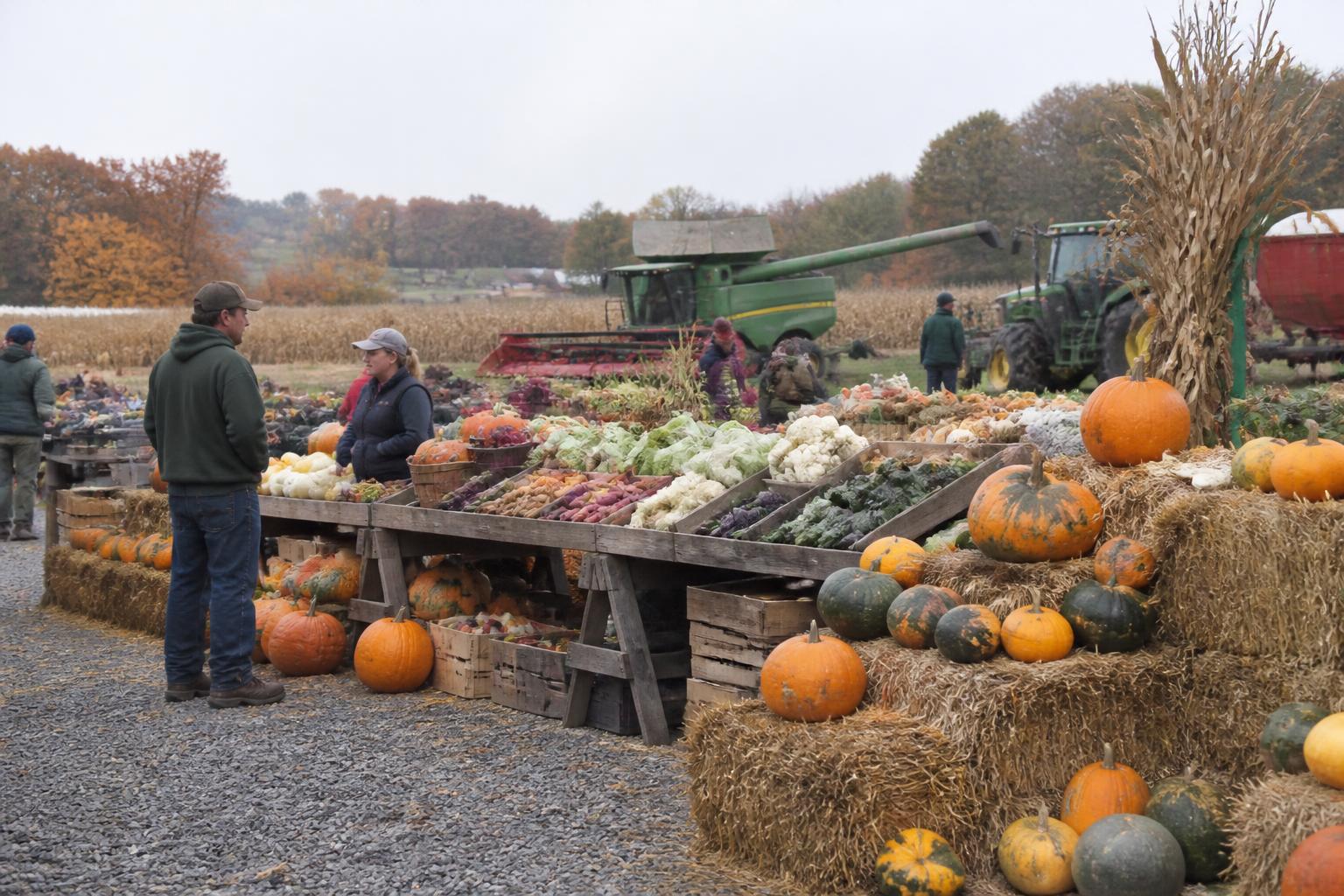
As the fall harvest progresses across Utah, the focus for many growers has shifted toward balancing field operations with the evolving realities of regional infrastructure. The state's agricultural landscape is seeing a push toward enhanced connectivity, particularly with the recent opening of new transload facilities in areas like Cedar City. These developments may provide crucial relief for producers looking to move grain more efficiently to market, potentially easing the bottlenecks often associated with peak seasonal transit.
Efficient movement remains a top priority, especially as logistics tighten during the busy harvest months. Local elevators and storage facilities are increasingly critical components in this cycle, acting as the primary buffers between harvest machinery and long-haul transport. Producers who have optimized their storage and handling strategies may find themselves better positioned to weather the fluctuations in regional demand.
Modernizing the Grain Supply Chain
Beyond immediate logistical improvements, there is a sustained interest in updating infrastructure to better support the state's grain output. Discussions regarding new market projects and the appointment of consultants to study grain distribution highlight a broader, long-term commitment to enhancing how commodities are handled within the state. For those looking for current market data, staying updated on the latest grain buyers, sellers, and prices in Utah is essential for making informed sales decisions.
Furthermore, managing these operational pressures is increasingly tied to how growers navigate the overall supply chain. As grain market updates emphasize the interplay between input costs and logistics, producers are finding that investments in technology, from auger conveyors to improved loading systems, are no longer just optional but necessary for scaling operations in a competitive environment.
What it means for the market
For Utah’s grain producers, the current environment emphasizes the importance of logistical agility. While infrastructure projects like new transload centers are designed to streamline operations over the coming years, immediate success depends on utilizing local storage capacity effectively and staying connected to regional price trends. By focusing on efficient movement and leveraging developing infrastructure, producers can better manage the typical seasonal constraints of a Utah autumn.
Comments
No comments yet - be the first to share your take.