
Market Headwinds Impacting Local Producers
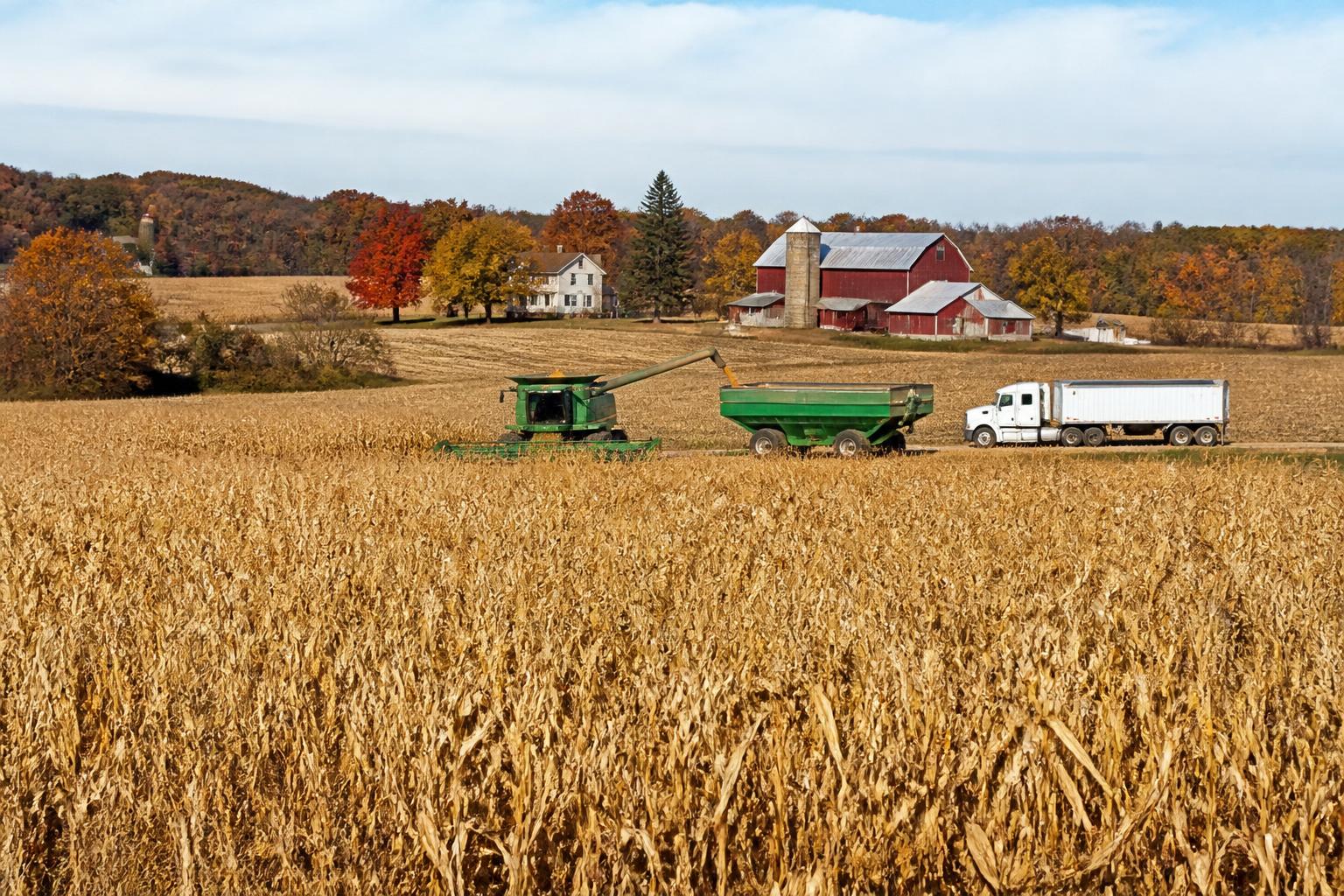
As we move deeper into October, Connecticut producers are observing continued downward pressure on major grain commodities. Recent national trends for corn and soy have remained in the red, creating a cautious atmosphere for those managing storage and hedging strategies. For operators in regions like Litchfield County, these shifts often necessitate a closer look at existing inventory management as the window for late-season crop movement begins to narrow.
Effectively responding to these broader market volatility signals requires careful attention to both local yield assessments and storage costs. As the autumn season progresses, maintaining quality in grain bins is critical, particularly when market prices do not incentivize immediate liquidation.
Preserving Agricultural Infrastructure
Beyond the daily ticker, the long-term viability of Connecticut agriculture remains anchored in land accessibility. Recent efforts by the Connecticut Farmland Trust to protect acreage in towns like Bethlehem and Woodbury highlight a continued commitment to keeping productive soil in the hands of farmers. This focus on preservation provides a buffer against development pressures, ensuring that the next generation of growers has a foundation to build upon regardless of short-term commodity fluctuations.
Practical Steps for Fall Planning
- Inventory Review: Audit stored grain quality regularly as temperatures fluctuate throughout the fall months.
- Strategic Planning: Utilize available regional resources to assess whether current land stewardship programs can provide supplemental stability during volatile cycles.
- Logistics Coordination: As seasonal traffic increases on rural roads, plan transport schedules around peak harvest times to avoid potential bottlenecks on key corridors.
What it means for the market: While commodity prices remain under pressure, the emphasis on protecting core farmland provides essential structural stability for the state. Growers who leverage both sound financial risk management and long-term land security will be better positioned to navigate the remainder of the 2026 season.
Comments
No comments yet - be the first to share your take.