
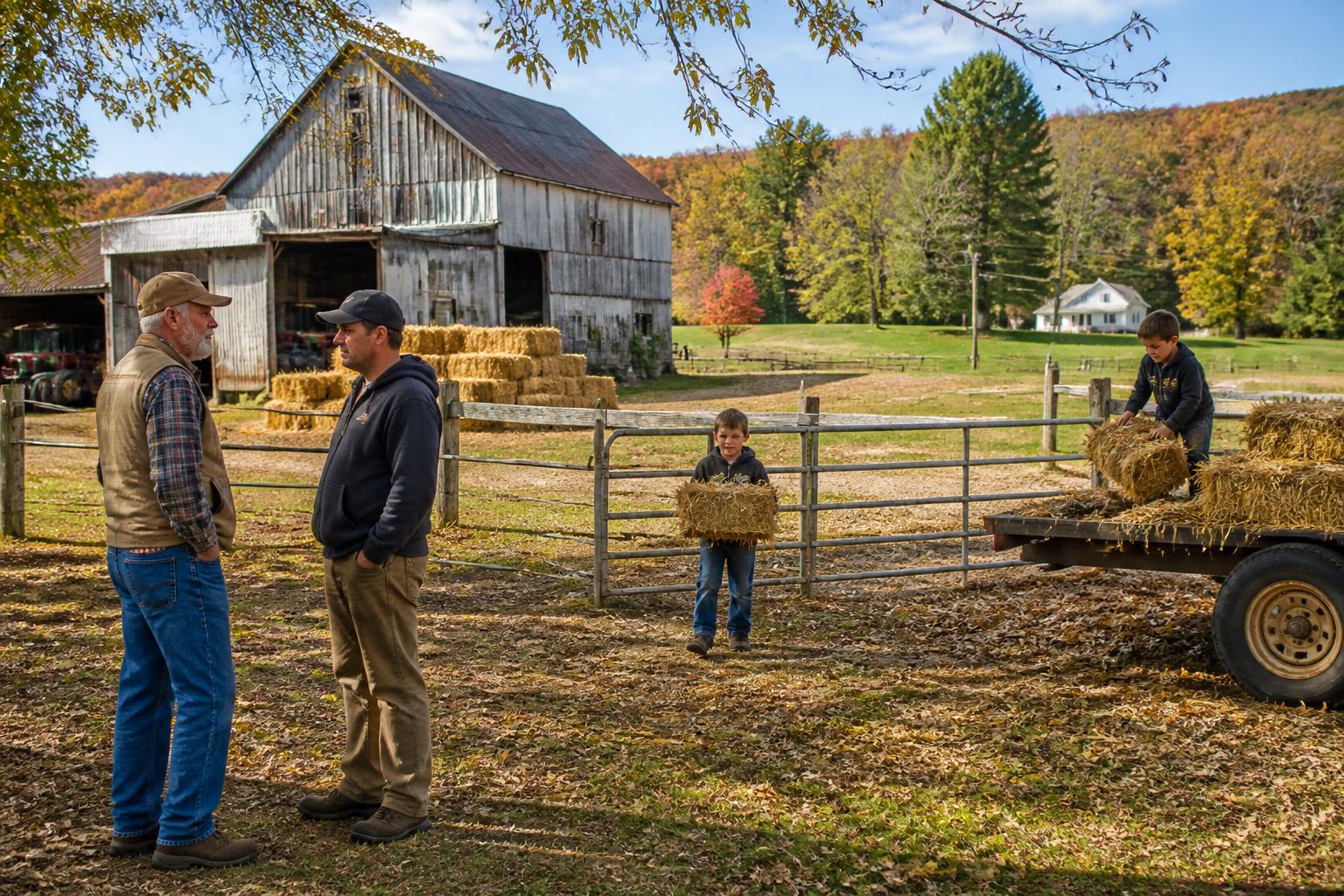
For many Pennsylvania producers, the fall season represents a pivotal window for soil testing and nutrient planning. As farm operations across the state balance input costs against shifting market realities, leveraging precise data has become a standard practice for those looking to maximize crop performance. Utilizing site-specific field data allows growers to apply fertilizers more strategically, ensuring that crop requirements are met while minimizing potential waste during the autumn application period.
Implementing effective land stewardship and input management requires a consistent commitment to analyzing soil health metrics. By focusing on regional soil variations from the rolling fields of Lancaster County to the diverse terrain of Western Pennsylvania, farmers can refine their nutrient programs to better suit the specific needs of their soil profiles. This data-first approach typically helps in navigating current market uncertainties, providing a clearer picture of input ROI as producers prepare for the upcoming production cycle.
Refining Input Strategies
The reliance on field data is increasingly seen as a hedge against volatile input markets. When growers maintain detailed records of nutrient application and crop uptake, they gain a clearer understanding of how to adjust rates to support long-term field productivity. This methodical documentation is essential for those balancing tight margins, as it allows for the identification of efficiencies that might otherwise be overlooked during busier seasonal shifts.
Strategic Planning for the Future
In addition to nutrient management, many regional producers are revisiting their overall operational strategies. Whether focusing on organic practices or traditional crop production, the integration of new technology and traditional stewardship remains the heart of the Pennsylvania agricultural community. As the industry evolves, the ability to adapt to changing economic and environmental factors remains the defining characteristic of successful local operations.
What it means for the market
For grain handlers, input buyers, and service providers, the emphasis on data-driven nutrient application points to a more surgical approach to procurement. Producers are likely to favor suppliers who can provide analytical support and consistent product quality, prioritizing inputs that offer reliable performance metrics. As the fall season progresses, agribusinesses should be prepared for heightened interest in customized blending and specialized nutrient products that align with the specific site-data findings of their farm customers.
Comments
No comments yet - be the first to share your take.