
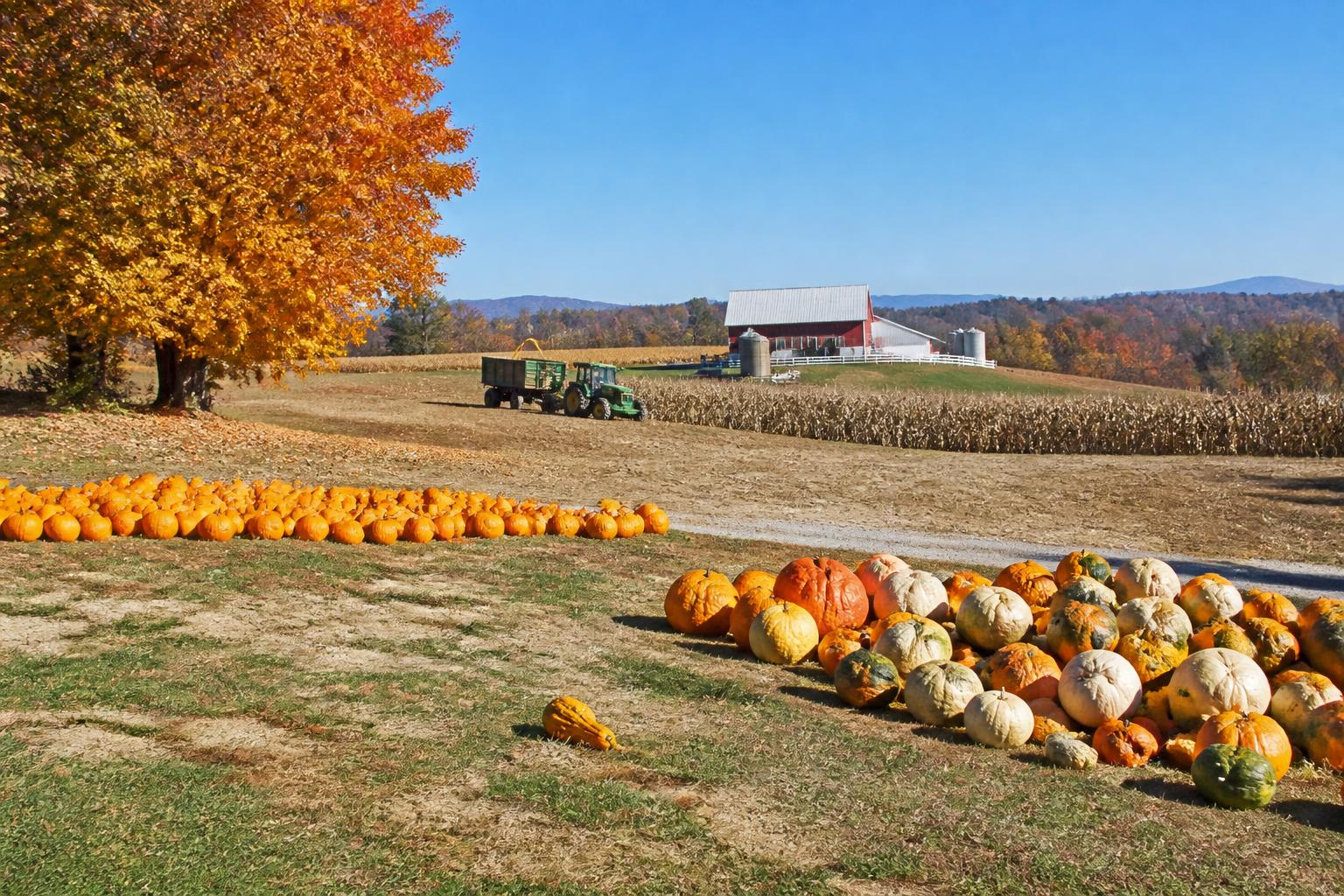
The Changing Landscape of Virginia Farmland
Virginia agriculture continues to see evolving trends in land ownership, with recent reports highlighting an increase in foreign investment interest across the Commonwealth. For many local producers, this shift necessitates a proactive approach to land management and long-term planning. Understanding the implications of these ownership structures is essential for those looking to secure land for future operations or navigate leasing opportunities in a competitive market environment.
As operations change hands, it is vital for farmers and land managers to maintain a clear picture of local market values. By optimizing logistics and supply chain resilience for Virginia producers, farm owners can better defend their margins against the uncertainties that often accompany structural changes in land tenure.
Leveraging Global Data for Local Success
While ownership trends remain a focal point, the technological tools available to Virginia agribusinesses are also advancing rapidly. New investment in artificial intelligence platforms, such as those aimed at tracking global hunger and supply chain exposure, suggests a future where data-driven insights play a larger role in crop marketing decisions. For the Virginia grower, this means that tracking global supply and demand metrics has never been more accessible or more critical for risk mitigation.
Practical Considerations for the Fall Season
As harvest reaches its peak across the state, from the coastal plains to the Shenandoah Valley, efficiency is the priority. With increased scrutiny on land usage and the adoption of modern analytics, producers should evaluate their current operational overhead. Maintaining robust records and staying informed on local economic indicators can help farmers maintain their competitive edge, regardless of who holds the title to neighboring parcels.
Key Takeaways
- Monitor county-level land ownership disclosures to understand local shifts in land availability.
- Incorporate global market exposure indices into your seasonal planning to anticipate price volatility.
- Focus on logistics and supply chain efficiency to mitigate potential disruptions during the busy fall harvest season.
What it means for the market: The convergence of shifting land ownership and enhanced global analytics represents a dual challenge and opportunity for Virginia farmers. By prioritizing transparency in land transactions and leveraging new digital tools, producers can better position themselves to navigate an increasingly complex agricultural landscape while ensuring the long-term viability of their family farms.
Comments
No comments yet - be the first to share your take.