
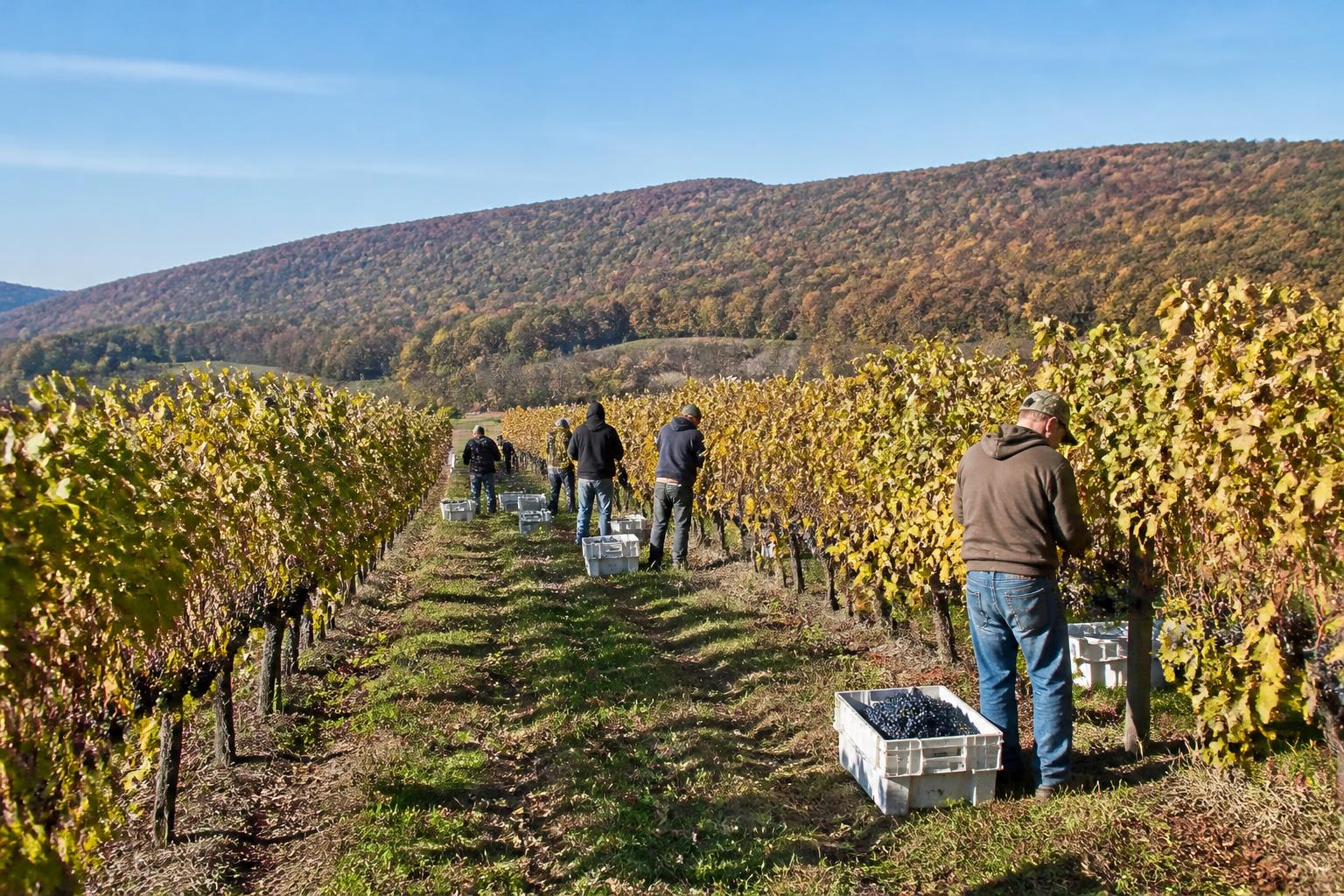
As the fall harvest season shifts into full gear across the Commonwealth, Virginia producers are increasingly prioritizing logistical connectivity to ensure their agricultural outputs reach market channels efficiently. For growers managing commodities ranging from grain to specialty crops, the ability to coordinate transport and distribution remains a critical component of maintaining operational margins during this busy period.
Developing resilient supply chains often involves a mix of local infrastructure coordination and adapting to regional transport demands. For many, this means streamlining the movement of goods from field to bin or processor, where timing is everything. Efficient logistics, when paired with thoughtful production management, can play a significant role in helping farms navigate the inherent volatility of seasonal grain market shifts and broader supply chain pressures.
Strengthening Regional Connectivity
Improving the flow of agricultural products requires ongoing attention to infrastructure and delivery networks. Producers in regions with heavy seasonal traffic may find that proactive communication with local carriers helps mitigate potential bottlenecks. Building stronger ties with regional processing facilities and distribution partners is a common strategy for Virginia businesses looking to reduce transit times and lower overhead costs associated with fuel and vehicle maintenance.
Adapting to Seasonal Logistics
Fall typically introduces unique challenges for transport, including the demand for heavy machinery movement on rural roads and the need for timely grain transit. Farmers are encouraged to review their transport schedules ahead of peak harvest windows. By ensuring that farm-to-market logistics are flexible, producers can better manage potential delays caused by seasonal road congestion or shifts in regional freight availability.
What it means for the market
For the Virginia agribusiness sector, these logistical efforts underscore a broader focus on operational efficiency. As producers continue to explore new models for growth and regional expansion, the focus on reliable transport will remain a pillar of long-term profitability. Strengthening the link between production and consumption through better connectivity helps create a more predictable market environment for both growers and local buyers.
Comments
No comments yet - be the first to share your take.