
The intense Arizona summer heat presents unique logistical hurdles for the state's agricultural sector. As haulers move everything from alfalfa hay to specialized dairy feed across key transit corridors like Interstate 10 and Interstate 8, keeping freight moving efficiently demands rigorous planning, equipment maintenance, and strategic scheduling.
With summer temperatures soaring, desert logistics require specialized preparation. While navigating Arizona's summer heat with advocacy and innovation remains a priority for regional agricultural groups, carriers on the ground must focus on immediate fleet readiness and route optimization to prevent heat-related delays.
Alfalfa and Forage Logistics Under the Sun
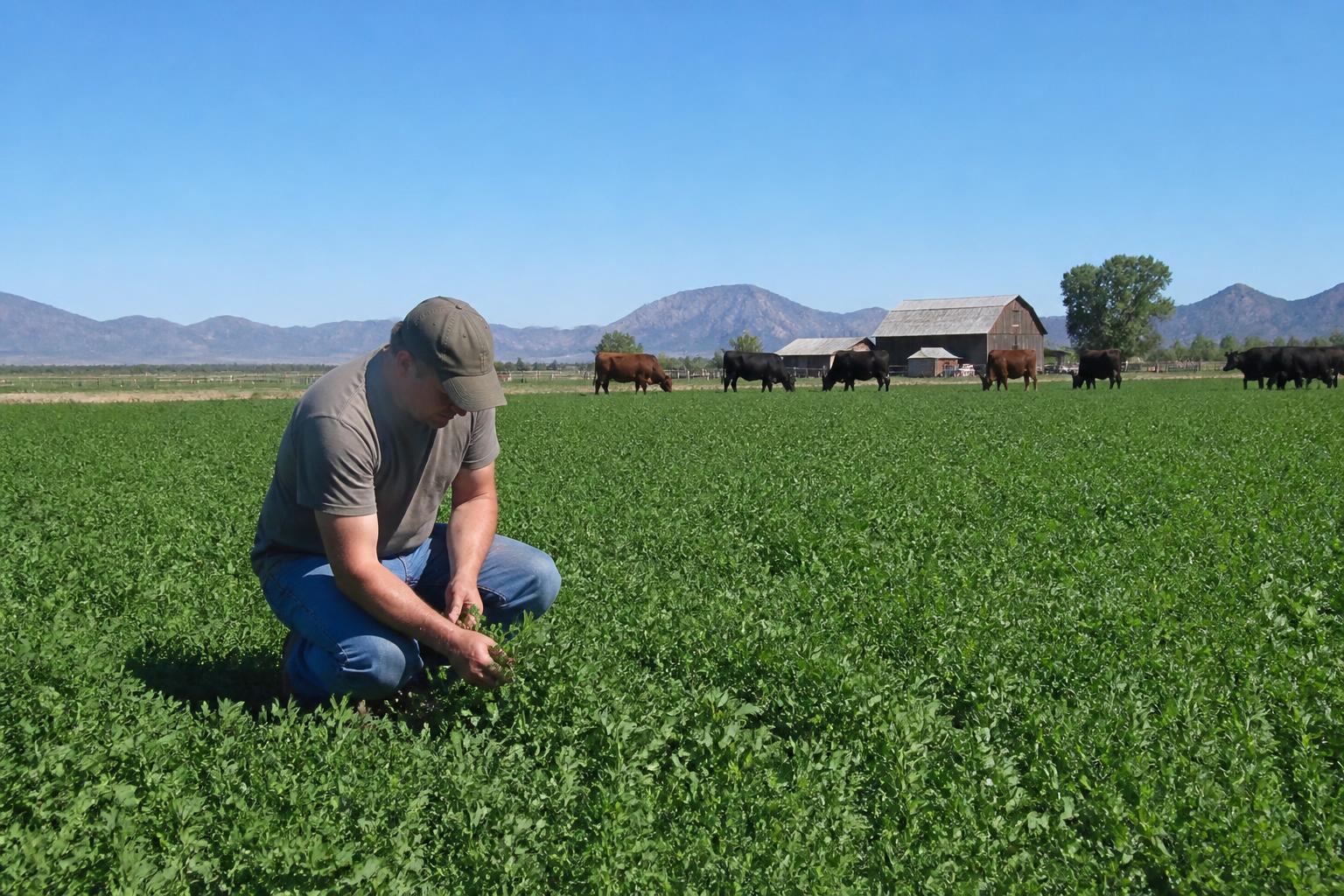
Arizona alfalfa hay growers have enjoyed favorable market conditions, but moving heavy, dry bales from desert fields to regional dairies and export points is a major transport challenge. Flatbed trailers loaded with hay must travel under an intense sun, where prolonged heat buildup in tires and wheel bearings increases the risk of roadside breakdowns.
To mitigate these risks, fleet operators typically schedule transport windows to avoid the hottest midday hours. Ensuring that straps, tarps, and loads are secured quickly and efficiently helps minimize the time drivers spend exposed to extreme temperatures during loading and unloading on ranch properties.
New Commodity Flows and Evolving Infrastructure
The regional transport network is also preparing for shifts in commodity volume and localized shipping patterns. A major new egg operation by Rose Acre is scheduled to open in Arizona this fall, which will eventually require consistent refrigerated transport and dry van support for egg and feed distribution.
Additionally, with Yuma serving as the regional headquarters for soil-technology firms like Desert Control, localized shipping of specialized soil-enhancement inputs is growing. Even the dairy sector is seeing localized feed transport adjustments, such as some dairymen introducing feed beets into cow rations, requiring specialized bulk transport of high-moisture feedstuffs.
Summer Transport Best Practices for Desert Fleets
- Nighttime and Early Morning Scheduling: Many dispatchers prioritize long-haul movements during late evening or early morning hours to protect mechanical equipment and ensure driver safety.
- Rigorous Tire Management: Drivers must closely monitor tire pressure, as asphalt temperatures on desert highways can climb significantly higher than the ambient air temperature, leading to rapid wear and blowout risks.
- Fluid and Cooling System Inspections: Routine checks of engine coolant, belts, and air conditioning units are critical before trucks depart on long desert routes.
What it means for the market
With steady demand for Arizona's forage crops and expanding regional poultry and dairy infrastructure, transport capacity in the desert Southwest remains highly competitive. Shippers who partner with heat-prepared carriers and adjust scheduling to account for extreme summer conditions will gain a clear advantage in maintaining reliable supply chains.
Comments
No comments yet — be the first to share your take.