
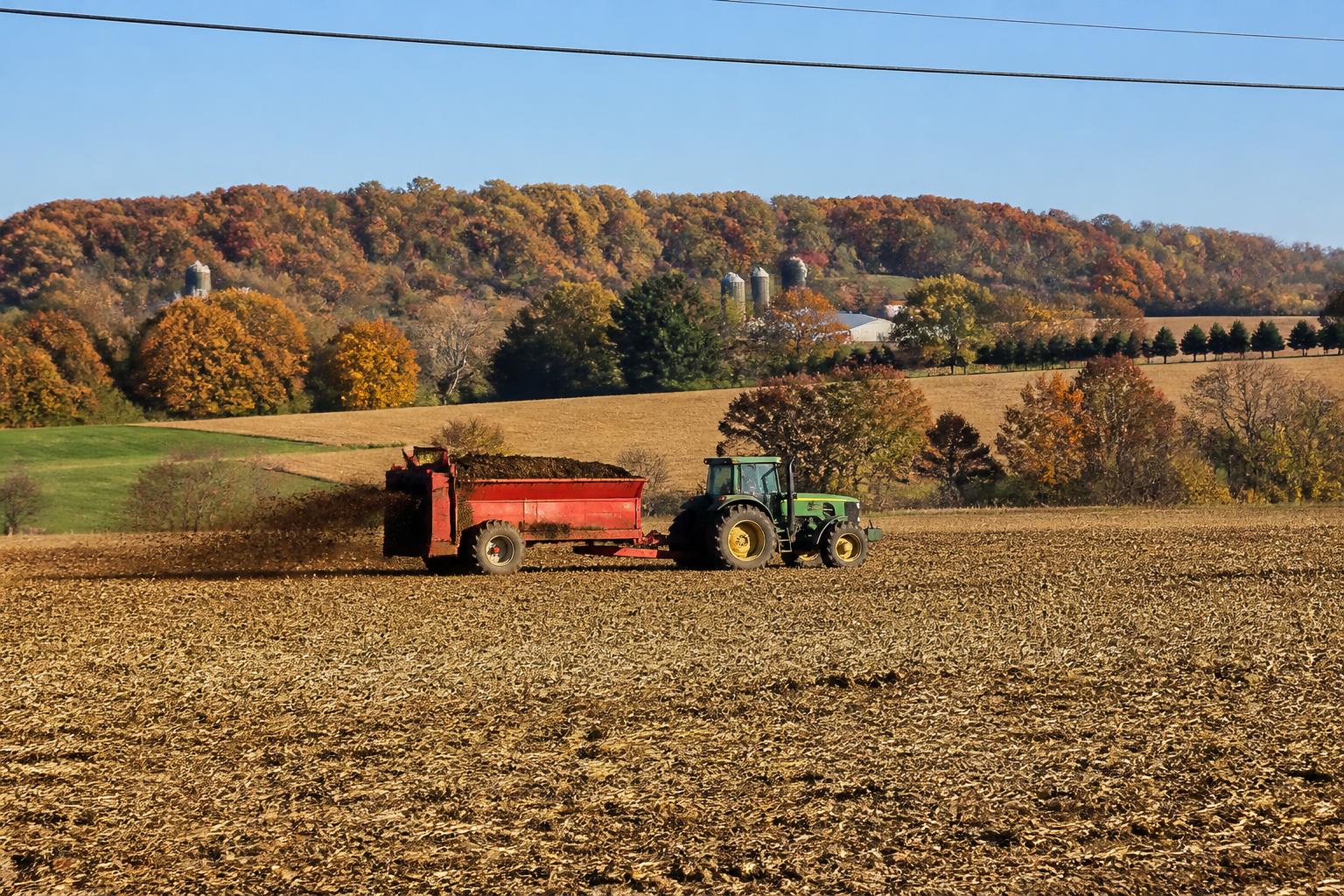
As the Maryland harvest season reaches its stride this October, producers across the state are navigating a complex landscape of rising operational costs and heightened rural traffic. With fields active from the Eastern Shore to the rolling hills of the Piedmont, the intersection of equipment movement and seasonal maintenance requires heightened attention to detail for everyone in the supply chain.
Cost pressures remain a primary concern for local agribusinesses. Fluctuating fuel prices are impacting transport margins for carriers and elevators alike, tightening the budget for the remainder of the season. Compounding this, many growers are observing elevated costs for essential inputs, making efficient farm-to-elevator movement more critical than ever to preserve margins during a narrow harvest window.
Navigating Seasonal Field Activity
Maryland farmers should be prepared for increased logistical friction throughout the countryside. State authorities have issued reminders that, alongside traditional mid-autumn field operations, rural residents should anticipate higher levels of low-flying aircraft activity. These flights, often associated with aerial cover crop seeding, can create temporary diversions and require extra caution when moving large equipment on public roads. Coordinating transport schedules to account for these localized disruptions can help minimize downtime.
Maximizing Operational Efficiency
For grain handlers and carriers, the priority remains optimizing the flow of commodities from the combine to the storage facility. Leveraging newly expanded grain transloading capacity can offer a strategic advantage, providing alternative routes to bypass traditional bottlenecks that typically surface during peak harvest congestion. Maintaining open communication between field managers and logistics providers is the best strategy for navigating potential delays caused by equipment transport or fluctuating road conditions.
Key Takeaways
- Monitor fuel price volatility to forecast transport costs for the rest of the quarter.
- Account for aerial traffic delays due to ongoing cover crop planting in rural corridors.
- Utilize expanded transloading facilities to mitigate peak season bottlenecks at local elevators.
What it means for the market
For Maryland's agricultural stakeholders, the current environment demands a blend of careful cost management and proactive route planning. By anticipating higher input expenses and potential seasonal transit delays, producers and carriers can better position themselves to maintain profitable, safe, and efficient operations as the fall season progresses.
Comments
No comments yet - be the first to share your take.