
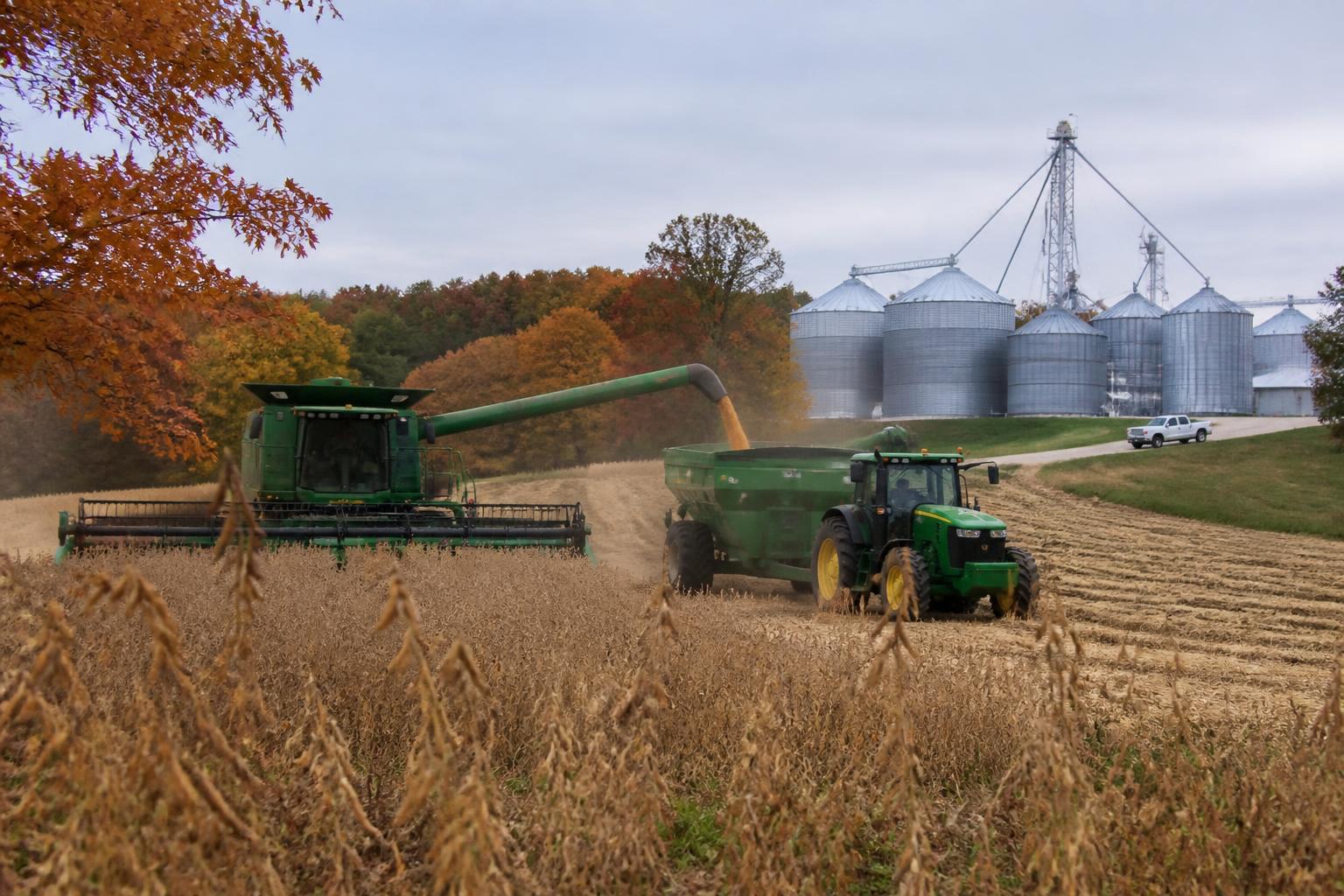
As Alabama producers move through the height of fall operations, the pressure on regional infrastructure remains a central theme for the agricultural sector. Efficient logistics are vital for maintaining the quality and market reach of Alabama's diverse commodity crops, particularly as market volatility continues to influence decision-making across the state.
A significant development for the local supply chain involves new financing secured for a specialized cold storage and refrigerated logistics facility in Albertville. This type of infrastructure expansion is critical, as it provides local agribusinesses with the tools needed to manage temperature-sensitive goods more effectively, potentially reducing post-harvest losses and expanding the window for reaching key markets.
Bolstering Operational Capacity
For grain handlers and producers alike, the ability to store and move commodities efficiently is often the difference between a profitable season and one squeezed by logistical bottlenecks. While concerns regarding rail accessibility and transport monopolies persist in some corners of the industry, targeted investments in local storage can serve as a buffer against broader supply chain disruptions. As Alabama farmers navigate an increasingly complex economic landscape, having robust facilities close to production zones is a welcome shift in the regional landscape.
Strategic Focus on Quality
Infrastructure projects of this scale highlight a growing trend of prioritizing value-added services within the state. By shortening the distance between the farm gate and cold storage, producers may find themselves better positioned to weather external economic pressures. As operations continue through the fall, the focus remains on leveraging these technological advancements to improve overall farm resilience. For those looking to streamline their current logistics, understanding the impact of these regional upgrades is essential. Staying informed on infrastructure shifts will continue to be a priority for stakeholders managing the complexities of harvest season flows.
What it means for the market
The addition of refrigerated logistics capacity in Northern Alabama represents a practical step toward supply chain independence for regional growers. For carriers and grain handlers, this infrastructure indicates a move toward more localized, high-quality handling capabilities, which may alleviate some of the transit strain during peak harvest windows. Producers who can leverage these new facilities may gain an edge in both storage flexibility and product longevity as they prepare for end-of-year market cycles.
Comments
No comments yet - be the first to share your take.