
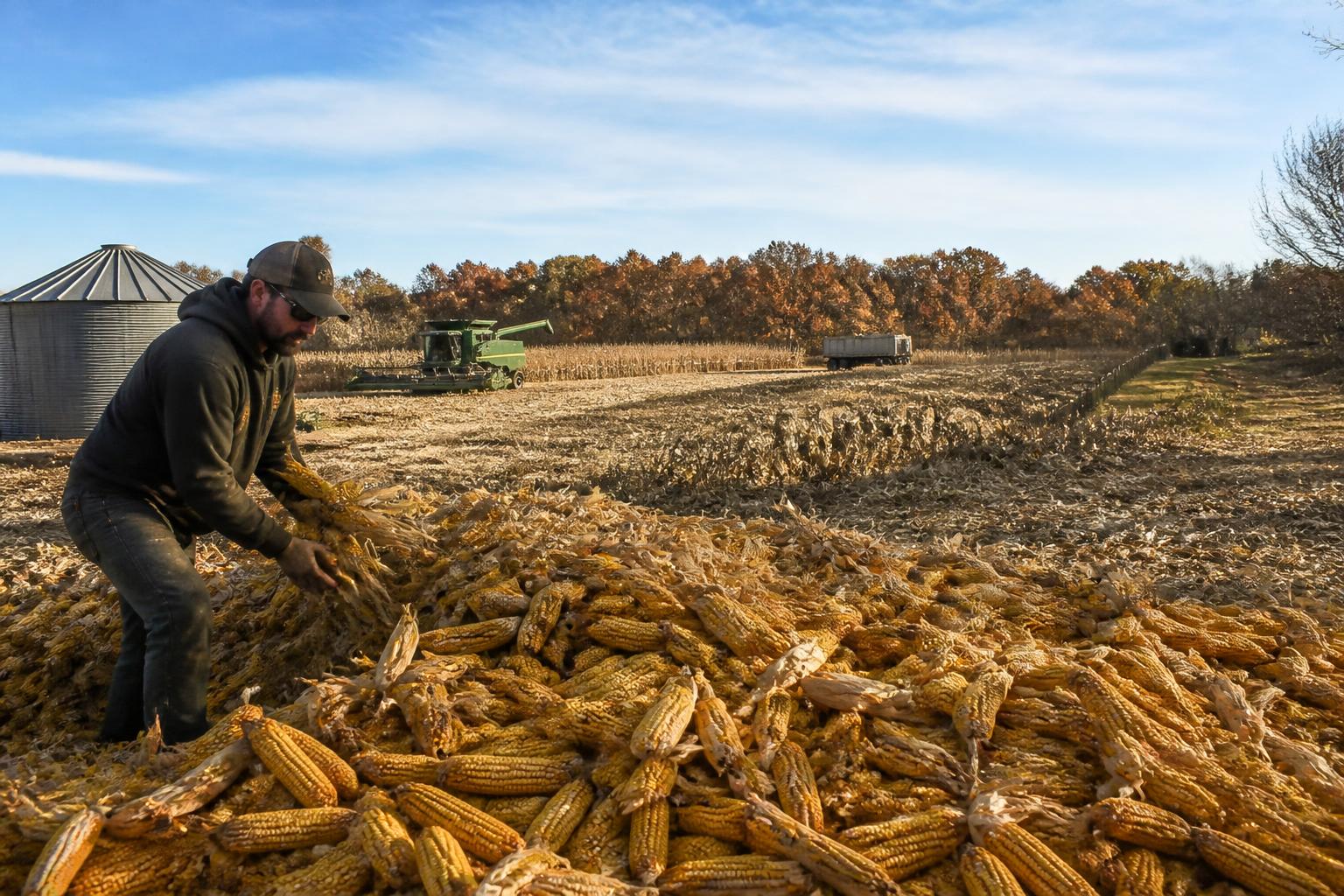
The fall harvest remains a critical driver of the Arkansas agricultural economy, with producers working to move corn and grain crops from fields to storage and market outlets. While growers focus on field efficiency and yield management, the broader economic environment continues to introduce layers of complexity that impact the bottom line for many operations across the state.
Operational planning remains vital this season, especially as Arkansas farmers navigate logistical hurdles during the busy fall window. Beyond the immediate physical demands of the harvest, producers are monitoring how international shipping constraints in the Mideast influence domestic input availability and overall logistical expenditures.
Regulatory and Economic Pressures
Market sentiment is increasingly shaped by both local policy changes and external economic factors. For instance, the recent finalization of state-level dicamba rules reflects the ongoing evolution of crop protection strategies within Arkansas. These regulatory shifts require producers to remain agile in their management practices to maintain productivity while complying with environmental standards.
Simultaneously, global trade pressures are exerting significant weight on commodity pricing. Recent reports suggest that war-restricted shipping lanes abroad have added substantial financial pressure on U.S. growers, often translating into higher overhead costs for those relying on imported inputs or export-dependent grain channels. These challenges highlight the importance of staying informed on reliable grain procurement and marketing strategies to mitigate volatility.
What it means for the market
For Arkansas agribusinesses, the current season underscores the necessity of balancing field-level productivity with macroeconomic awareness. As harvest wraps up, producers should evaluate their storage utilization and contract timing in light of tightening margins. While the agricultural sector has proven resilient during fluctuating cycles, the current combination of logistics-driven inflation and regulatory transitions suggests that proactive risk management will be a defining factor for success as we move into the winter planning phase.
Comments
No comments yet - be the first to share your take.