
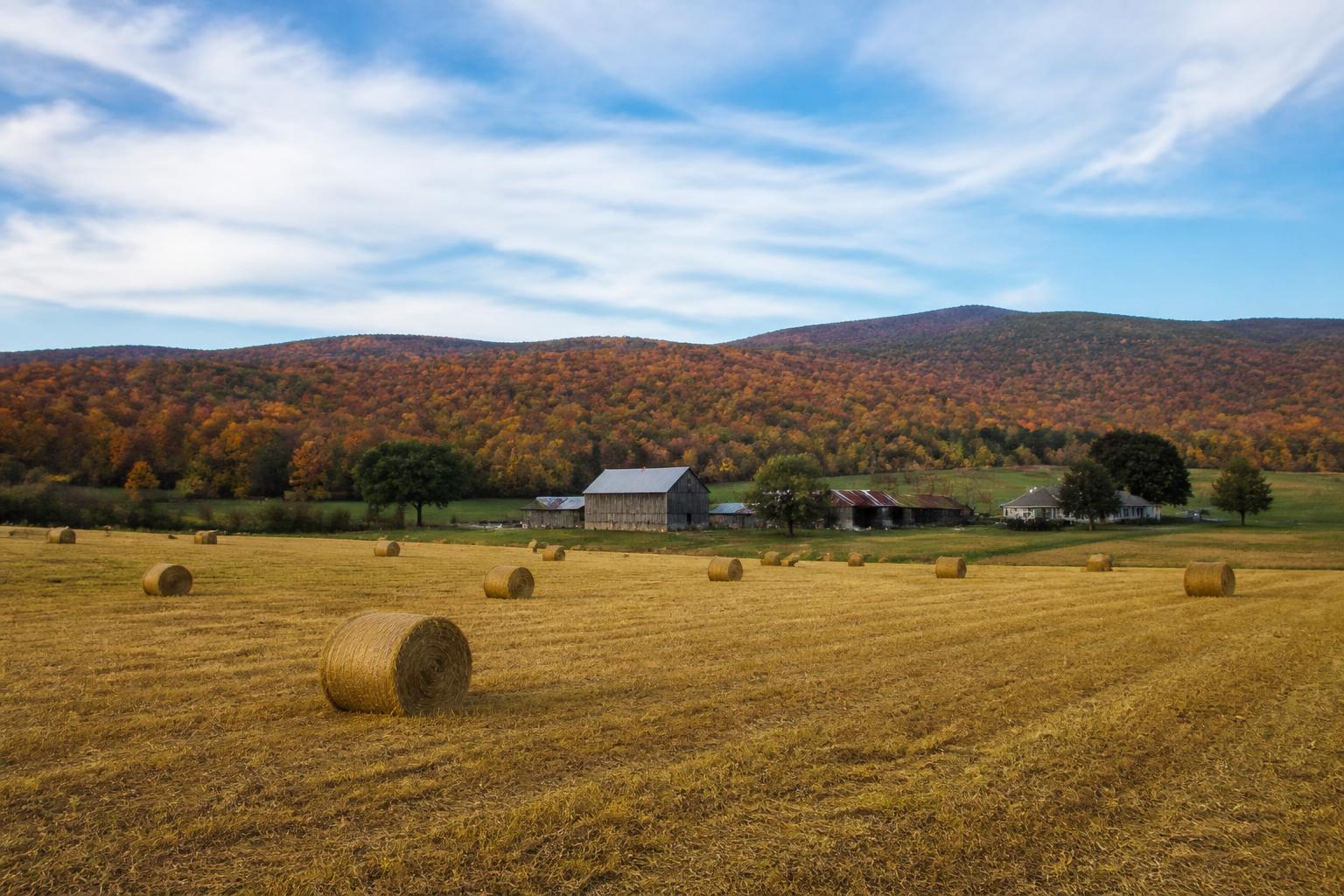
As the autumn harvest season hits its stride across West Virginia, agricultural producers are increasingly focused on the intersection of field efficiency and logistics. Navigating the state's unique topography often requires careful coordination, particularly when moving heavy equipment or grain loads across rural corridors. For many operations, the stability of local road networks remains a critical factor in maintaining a reliable supply chain, as even minor disruptions can create bottlenecks during peak activity.
Infrastructure and Transport Efficiency
Producers are balancing the need for timely transport with the realities of regional infrastructure. Whether dealing with weight-restricted bridges or managing land access hurdles, effective planning is paramount. In some parts of the state, proactive communication with local transport handlers and elevator managers can help mitigate the risks of transit delays. Keeping a close watch on regional road conditions remains a standard, yet essential, component of a successful protection strategy for agricultural freight.
Optimizing Operations Amidst Market Dynamics
Beyond the physical movement of crops, market participants continue to navigate evolving operational costs. From maintenance of aging farm infrastructure to adjusting to fluctuating logistics demand, adaptability is the hallmark of the current season. Ensuring that storage and handling facilities are prepped for maximum throughput can provide a necessary buffer against the unpredictable nature of regional supply chains during the busy fall months.
What it means for the market
For grain handlers and agribusinesses, the current period demands heightened attention to transit reliability and infrastructure maintenance. While operational hurdles are a constant in West Virginia, maintaining a focus on logistical planning—and staying informed about state-wide transit updates—can help protect margins and ensure that essential inputs and harvests reach their destinations without unnecessary delay.
Comments
No comments yet - be the first to share your take.