
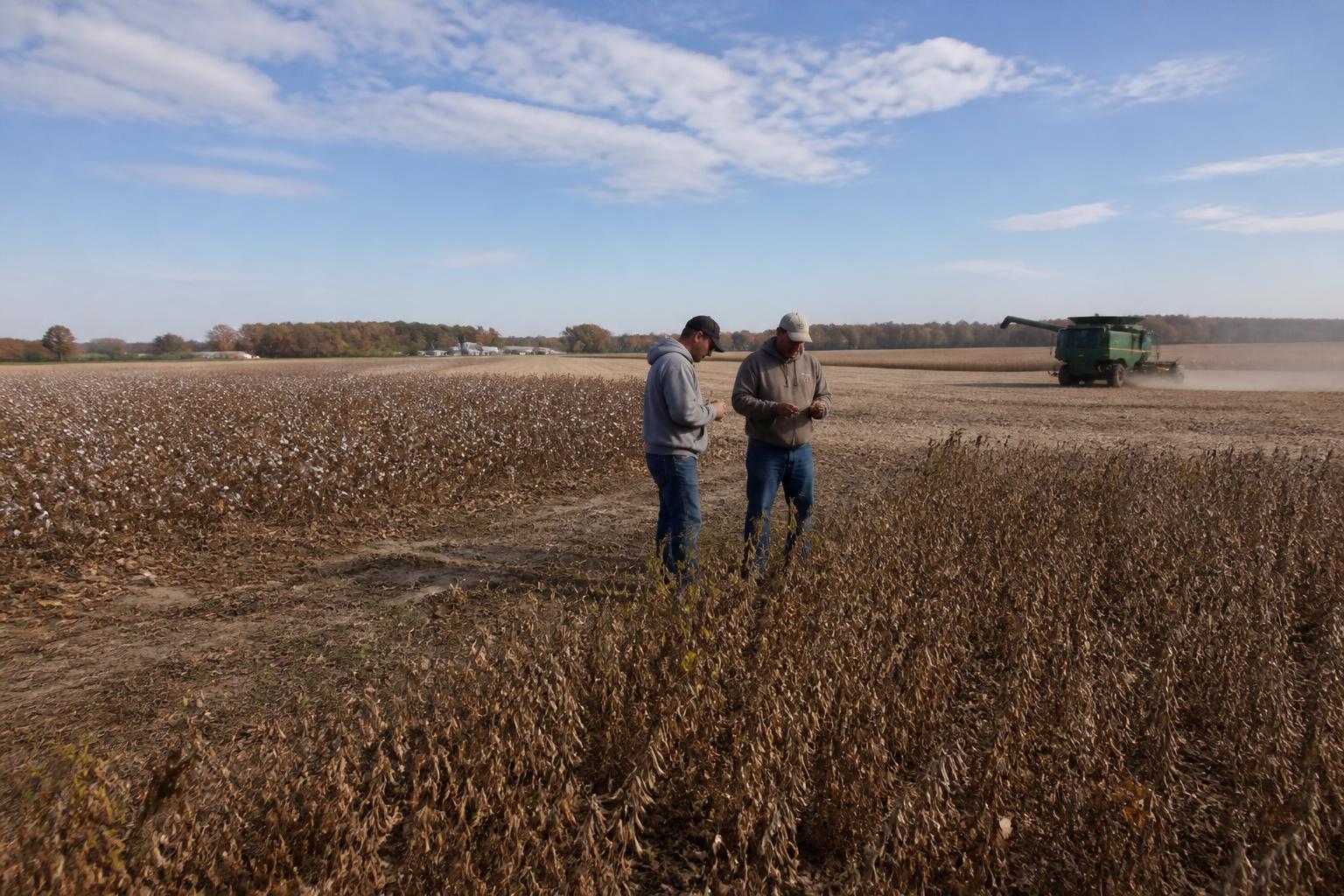
As the fall harvest progresses across Arkansas, producers are contending with a complex mix of environmental factors and economic pressures. While earlier season reports indicated generally favorable conditions for major row crops, the reality on the ground this autumn has proven more nuanced. Variability in rainfall and localized weather impacts have created a challenging environment, particularly for those managing yield potential in soybeans and cotton.
For many Arkansas farmers, the focus is shifting from immediate field activities to long-term sustainability. The intersection of fluctuating input costs and the ongoing necessity for robust crop protection protocols remains a top priority. As growers look toward the upcoming cycle, industry experts emphasize that smart agriculture tools and refined pest management, such as strategies targeting the rice stink bug, are becoming essential for maintaining stability in a volatile market.
Managing Economic and Input Realities
The current agricultural landscape is defined by the dual challenge of maximizing output while managing expenses. Producers are keeping a close watch on regional data regarding how specific varieties and protection programs perform under stress. The industry continues to see strategic movements, such as expanded research into soybean programs, which may influence future availability and efficacy of treatment options available to regional growers.
Logistical and financial resilience is also at the forefront. With various state-level initiatives and credit programs available to assist in protecting specific harvests, growers are advised to remain informed on available support structures. Managing these financial levers is just as critical as selecting the right hybrid or chemical application in the face of unpredictable seasonal shifts.
Focusing on Long-Term Field Stability
Beyond the immediate pressures of the 2026 season, the broader Arkansas agricultural sector is placing renewed emphasis on efficiency. Integrating advanced technology into daily operations is no longer just a trend but a requirement for those looking to buffer against the impacts of changing weather patterns. As farmers assess their final tallies, the lessons learned from this fall—ranging from water management to pest resistance—will likely shape the input purchasing and management strategies for the coming year.
Whether you are managing moisture-stressed acres in the Delta or reviewing potential logistical hurdles for grain movement, the key to navigating the next few months lies in data-driven planning and the proactive use of available protective resources.
What it means for the market
The market for crop protection and inputs in Arkansas is increasingly sensitive to yield variability. As harvest data is finalized, input buyers should expect a continued trend toward products that offer high efficacy in the face of resistance and environmental pressure. Farmers who prioritize precision applications and sustainable management practices are better positioned to weather the current economic environment, potentially mitigating the impact of lower-than-anticipated yields in some regions.
Comments
No comments yet - be the first to share your take.