
As we move through the heart of the fall harvest season in West Virginia, agricultural producers are increasingly focused on both immediate operational throughput and long-term viability. Producers across the state are currently balancing the demands of field operations with shifting market dynamics that continue to influence daily decision-making.
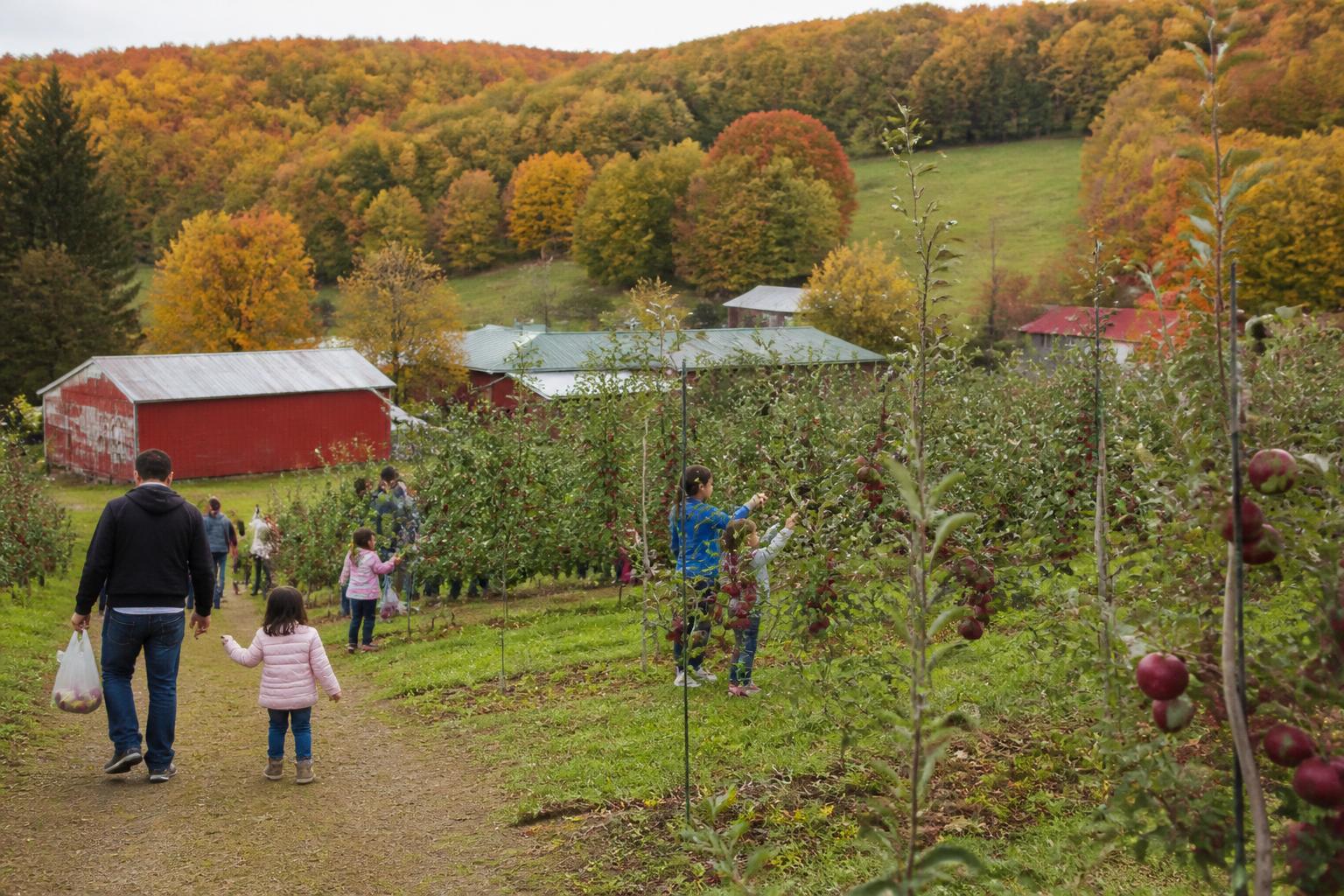
For many local livestock operations, this period remains particularly challenging. Cattle producers are grappling with significant market pressure as lower-priced beef continues to compete with local inventory. Maintaining margins during this cycle requires a careful evaluation of input costs and local demand, especially as families in regions like the Kanawha Valley continue to show strong support for local direct-to-consumer outlets, such as seasonal produce farms.
Navigating Operational and Regulatory Pressures
Beyond the market price of livestock, farmers are also engaging with a complex regulatory and development landscape. Recent discussions surrounding state agricultural legislation have brought increased scrutiny to the environmental impact of rural facilities. Concerns regarding the siting and operation of large-scale logging or processing facilities remain a top-of-mind issue for many landowners who rely on the integrity of their local ecosystems to maintain field productivity.
For those managing logistics, staying informed about fall operational realities is essential. Whether you are moving late-season harvests or coordinating transport for livestock, keeping an eye on local infrastructure and traffic patterns remains critical. Ensuring your equipment is well-maintained and your logistics plans are flexible can help mitigate the impact of unexpected transit delays, which are often a factor in rural West Virginia.
Strategic Planning for the Winter Transition
As the season progresses, it is an appropriate time to review site-specific infrastructure security and field access protocols. Consistent oversight of your operations not only protects your current investments but also positions your business to better adapt to shifting economic policies and potential facility-siting conflicts that may arise in the coming legislative sessions.
What it means for the market
The current agricultural climate in West Virginia suggests a need for heightened operational resilience. While direct consumer interest in local produce remains a bright spot, the broader livestock sector faces persistent headwinds from national pricing trends. By prioritizing site security, monitoring regulatory developments, and staying agile with logistical planning, producers can better protect their margins against both external economic pressures and localized operational risks.
Comments
No comments yet - be the first to share your take.