
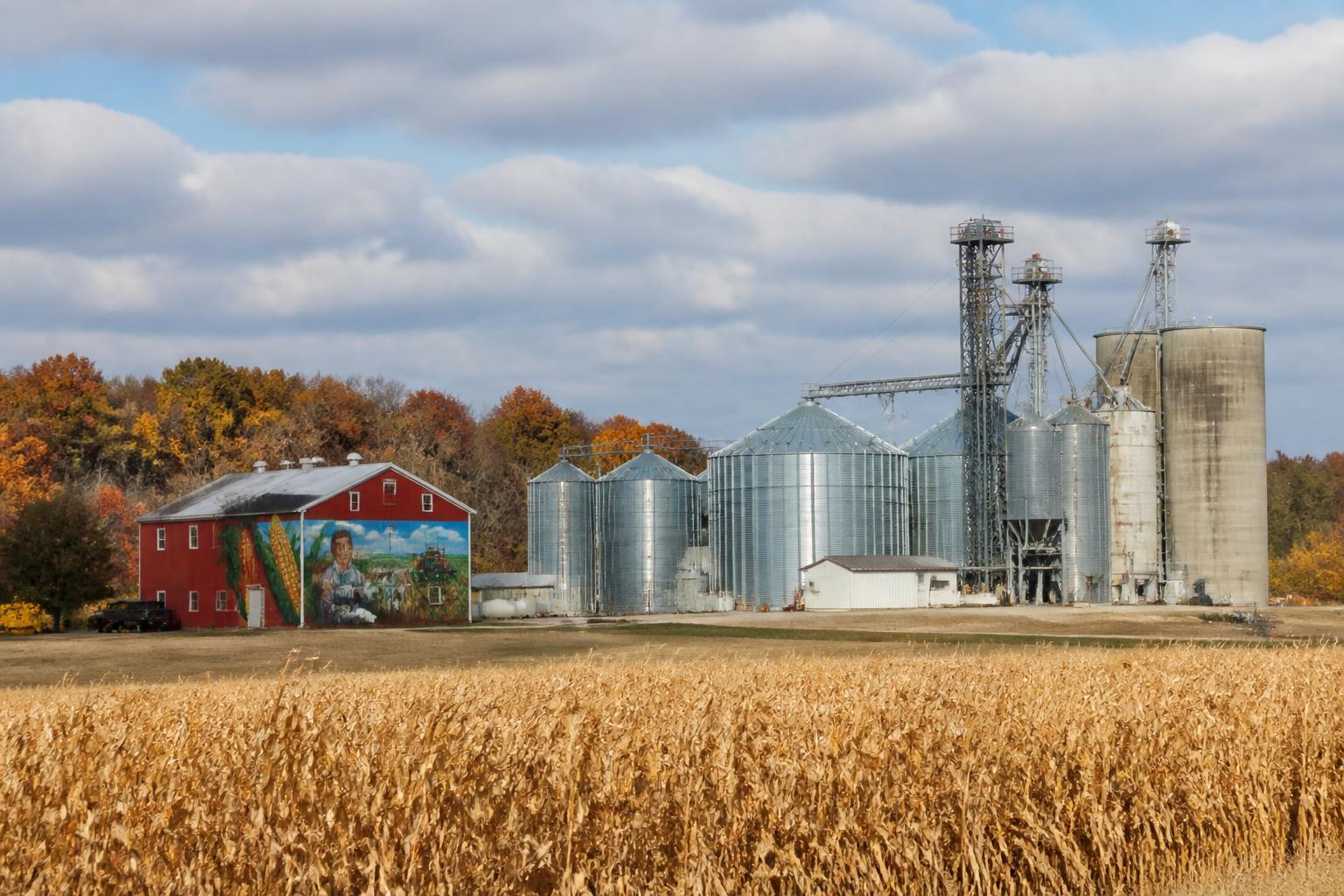
The arrival of the peak fall harvest season across Ohio brings both high activity in the fields and a critical period for evaluating on-farm logistics. For many growers, the choice to store grain on-site versus immediate delivery involves navigating tight economic conditions and fluctuating basis levels. As harvest volume increases, regional elevators and on-farm storage setups are becoming focal points for operational efficiency.
Maintaining equipment integrity is vital as operations scale up during the busy autumn months. Recent field reports have highlighted the importance of fire safety and routine maintenance, particularly for combines running through late-season crops. Ensuring that grain handling systems are fully serviced can prevent costly downtime or preventable losses, especially when navigating the complexities of local grain flow and transport infrastructure across the state.
Refining Storage and Handling Strategies
For operations currently evaluating their storage capacity, the conversation often shifts toward the trade-offs between capital investment in new bins and the costs associated with commercial storage. While modern setups displayed at industry events underscore the potential for higher precision in grain management, producers are reminded that the decision to hold inventory should be balanced against current market signals. Effective grain handling planning remains a cornerstone of success during this high-stakes season.
Safety and Operational Continuity
With field work in full swing, safety remains the priority. Beyond mechanical fire risks, the integration of new technologies for crop monitoring and logistics is beginning to reshape how some Ohio farmers approach field management. Leveraging these tools can help mitigate risks, though they should supplement, not replace, robust physical maintenance protocols. For those moving inventory, understanding the broader shifts in local logistics is essential for minimizing transport bottlenecks.
What it means for the market
The current environment requires a disciplined approach to both inventory management and risk mitigation. For Ohio agribusinesses, the primary focus remains on maintaining high-throughput logistics while keeping a close eye on safety and storage economics. Producers who prioritize efficient grain movement and equipment reliability during these final weeks of the harvest are better positioned to respond to seasonal market fluctuations.
Comments
No comments yet - be the first to share your take.