
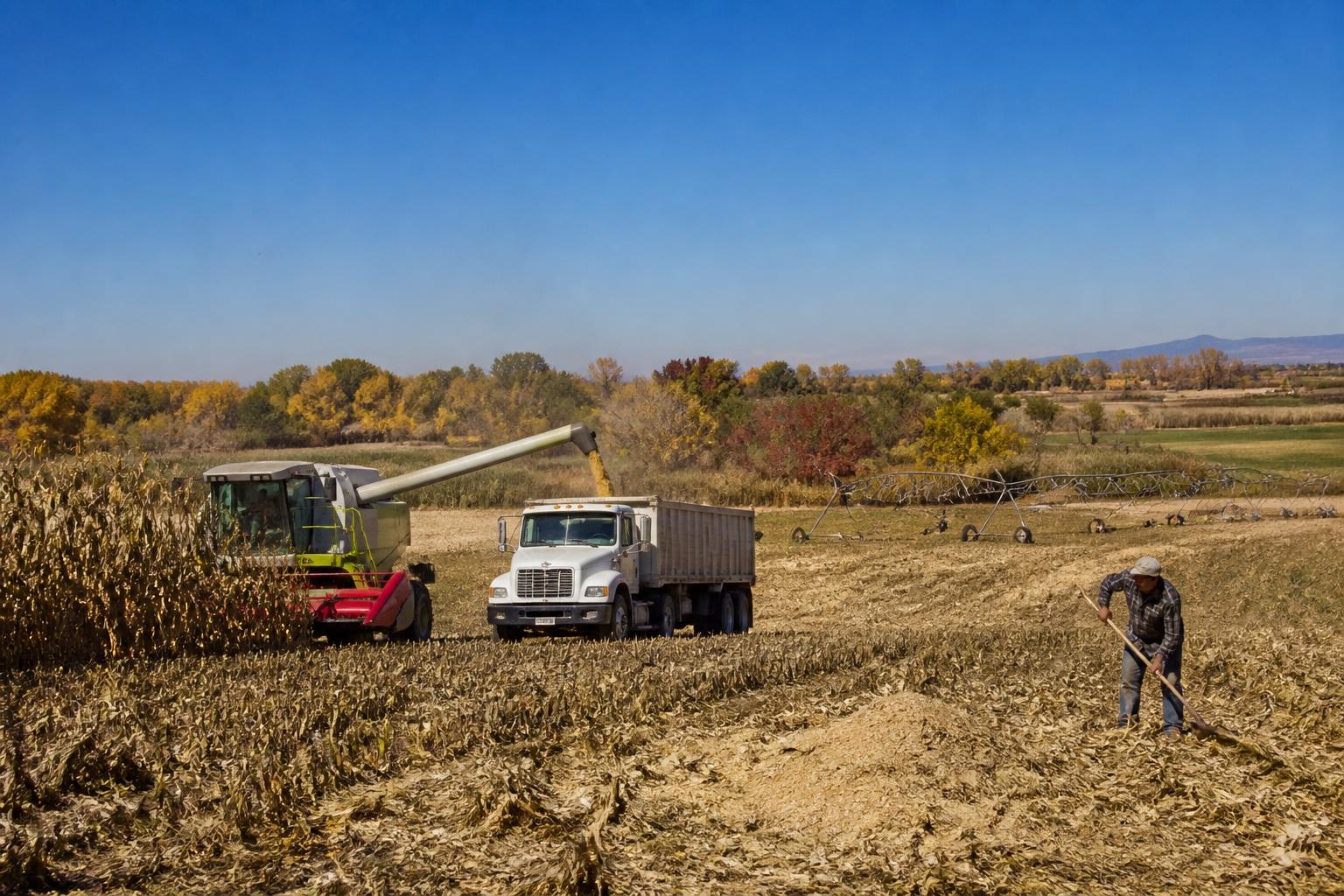
As the fall harvest progresses across New Mexico, producers and regional agribusinesses are closely monitoring the interplay between global supply chain pressures and local logistics. Efficient movement of high-value crops remains a priority as the state continues to solidify its role as a critical node in regional agricultural trade. With infrastructure demands peaking, transportation partners are increasingly focusing on optimized routing to mitigate potential bottlenecks in state corridors.
Input management has also taken center stage this season. Market observers note that potential shifts in international trade policy, including ongoing discussions surrounding fertilizer import tariffs, may affect localized supply availability. For growers in regions like the Mesilla Valley or the High Plains, balancing these procurement challenges with established yield goals is essential for maintaining operational margins through the end of the year.
Strategic Logistics for Seasonal Flows
In many parts of the state, the current transit environment necessitates a proactive stance. Leveraging specialized supply chain management tools can help firms coordinate the movement of goods more effectively, especially as regional demand fluctuates. By focusing on consistent communication between terminal operators and freight providers, local businesses may better navigate the complexities of moving products to major hubs and export points.
Managing Input Volatility
The agricultural sector in New Mexico remains a significant economic engine, and managing the costs of inputs like fertilizers is central to that stability. As international markets remain reactive to geopolitical events, growers are urged to keep a close eye on wholesale pricing trends. Some operations are exploring proactive biosecurity and input management strategies to buffer against sudden supply shocks or pricing spikes that could impact the bottom line during the final stretch of the season.
What it means for the market
For New Mexico’s agribusinesses, the immediate outlook emphasizes resilience. By diversifying procurement sources and tightening logistical coordination, producers and handlers can better position themselves against global volatility. While uncertainty remains a constant feature of the current market cycle, a focus on regional efficiency and informed decision-making provides a clear pathway to sustaining growth throughout this busy fall period.
Comments
No comments yet - be the first to share your take.