
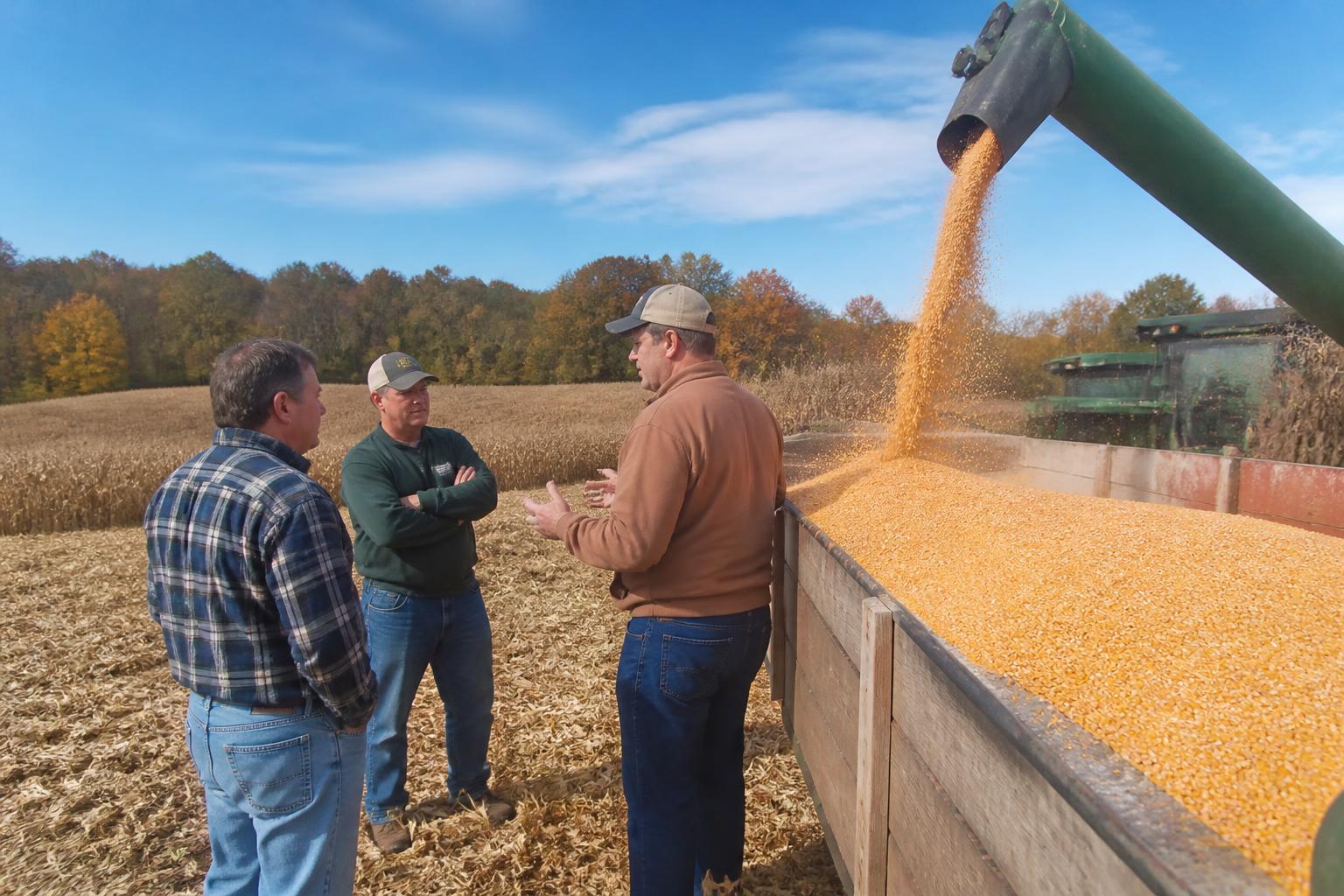
As the fall harvest progresses across Washington, growers in major agricultural regions are focusing on managing grain throughput and navigating the complexities of modern transport logistics. With regional elevators reaching high activity levels, the pressure on timely movement remains a primary concern for local operations. Maintaining fluid logistics is essential as harvest efficiency often dictates the overall profitability of the season for wheat and specialty crop producers alike.
The broader market landscape remains dynamic, with ongoing discussions surrounding trade agreements and international demand. For those moving commodities through Washington export corridors, understanding the interplay between global market power and domestic transport reliability is increasingly critical. Recent shifts in international tariff structures and the ongoing need for consistent export capacity highlight the importance of strategic planning for those involved in the supply chain.
Managing Market Volatility and Trade Shifts
International trade dynamics continue to influence local sentiment, particularly as producers monitor developments that could impact the movement of commodities through Pacific Northwest ports. Whether managing grain stockpiles or preparing for final field clearance, growers are often weighing their exposure to fluctuating international market access against local storage limitations. As the industry faces these broader economic pressures, producers are increasingly looking toward logistics management strategies to mitigate potential bottlenecks during the busy autumn period.
Prioritizing Operational Stability
Beyond external market factors, the focus remains on farm-level productivity and the maintenance of essential equipment. In many parts of Washington, securing fuel and managing chemical inputs remains a challenge that requires proactive engagement with regional suppliers. As producers continue to navigate these costs, many are also evaluating long-term operational stability in an environment where both federal policy and global supply chains can impact the bottom line.
What it means for the market
For Washington agribusinesses, the current environment necessitates a dual focus: optimizing immediate logistical efficiency to ensure that high-quality harvests reach transit points without delay, while staying closely aligned with evolving trade signals. Successful navigation of this period will likely depend on strong coordination between producers, elevator managers, and regional carriers to ensure that logistical constraints do not hinder the ability to capture value in the global marketplace.
Comments
No comments yet - be the first to share your take.