
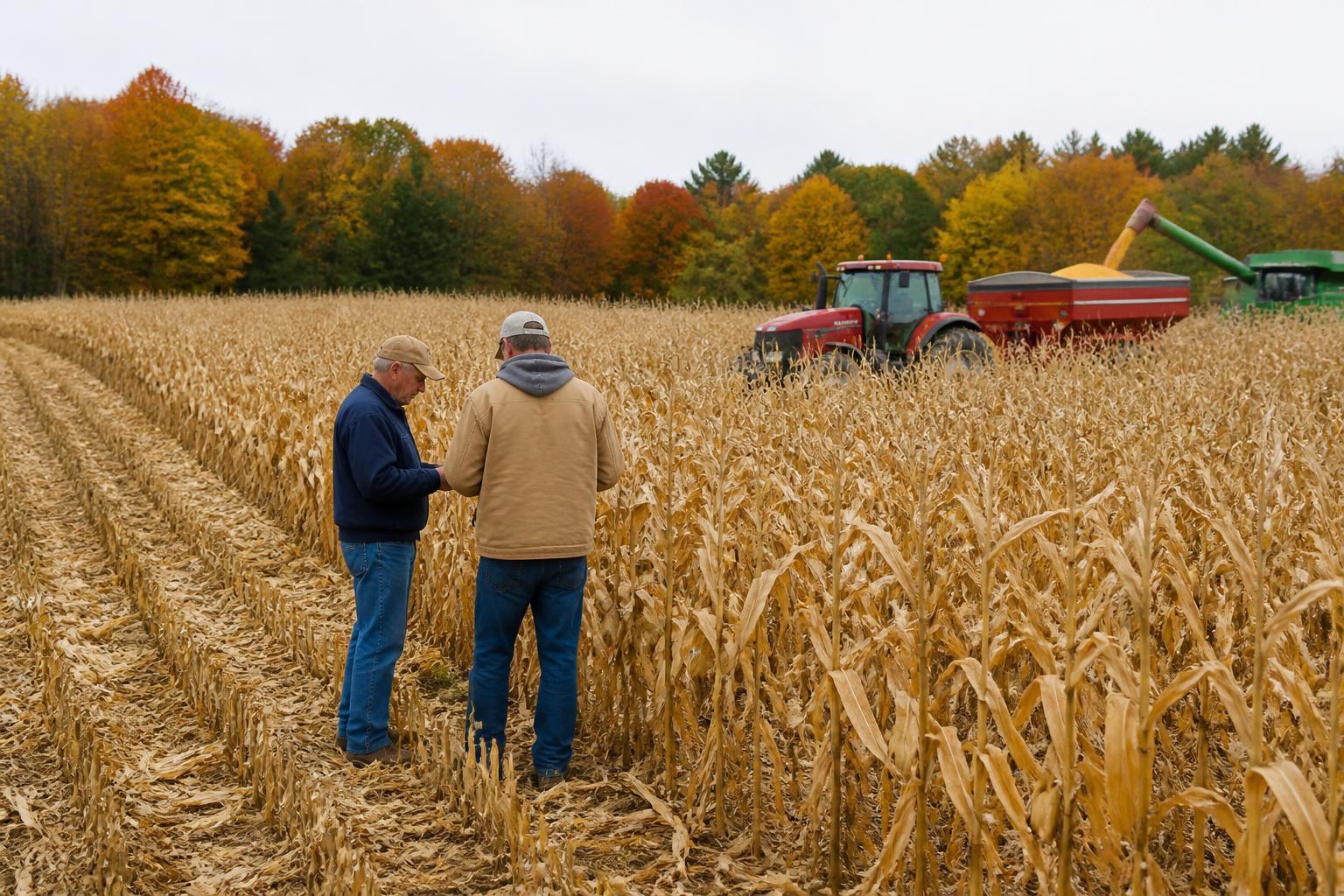
As the fall harvest season accelerates across Washington, producers and logistics stakeholders are contending with a volatile operating environment. The current intersection of elevated energy costs and shifting trade dynamics continues to impact the bottom line for regional agribusinesses, from the inland grain elevators to the port terminals handling export volumes.
High diesel prices remain a primary concern for growers and transport providers alike. Fuel costs represent a significant component of operational overhead, particularly as specialized equipment and heavy-haul trucking fleets move products from field to storage and eventually to market. In some regions, these expenses may force operators to reconsider the timing of shipments to align with fuel market fluctuations or potential volatility in downstream costs.
Navigating Market Uncertainty
Beyond the pump, regional agriculture is keeping a close watch on national trade discussions. The uncertainty surrounding export agreements often ripples through domestic commodity prices, influencing logistics decisions and storage strategies. For many farmers, the current market climate necessitates a cautious approach to inventory management.
Understanding these market hurdles and logistical shifts is critical for protecting margins. As industry participants monitor federal updates, the focus remains on identifying cost-saving efficiencies across the supply chain, including optimizing short-haul transport routes and leveraging local processing capacity to minimize dependency on long-distance distribution during periods of price instability.
Operational Resilience in a Shifting Landscape
Agribusinesses are also balancing the potential for policy-driven supply chain adjustments, which can alter the flow of seasonal goods. Whether addressing export constraints or reacting to broader economic indicators, local handlers are looking to improve coordination between storage facilities and freight providers. Developing a robust, adaptive cold storage and warehouse strategy may offer a buffer against immediate market volatility.
What it means for the market: For Washington growers and grain handlers, the combination of high fuel costs and uncertain trade policy creates a need for enhanced agility. Focus on monitoring local spot prices for diesel and maintain close communication with regional logistics partners to ensure shipping schedules are aligned with the most cost-effective windows available during the peak of the fall season.
Comments
No comments yet - be the first to share your take.