
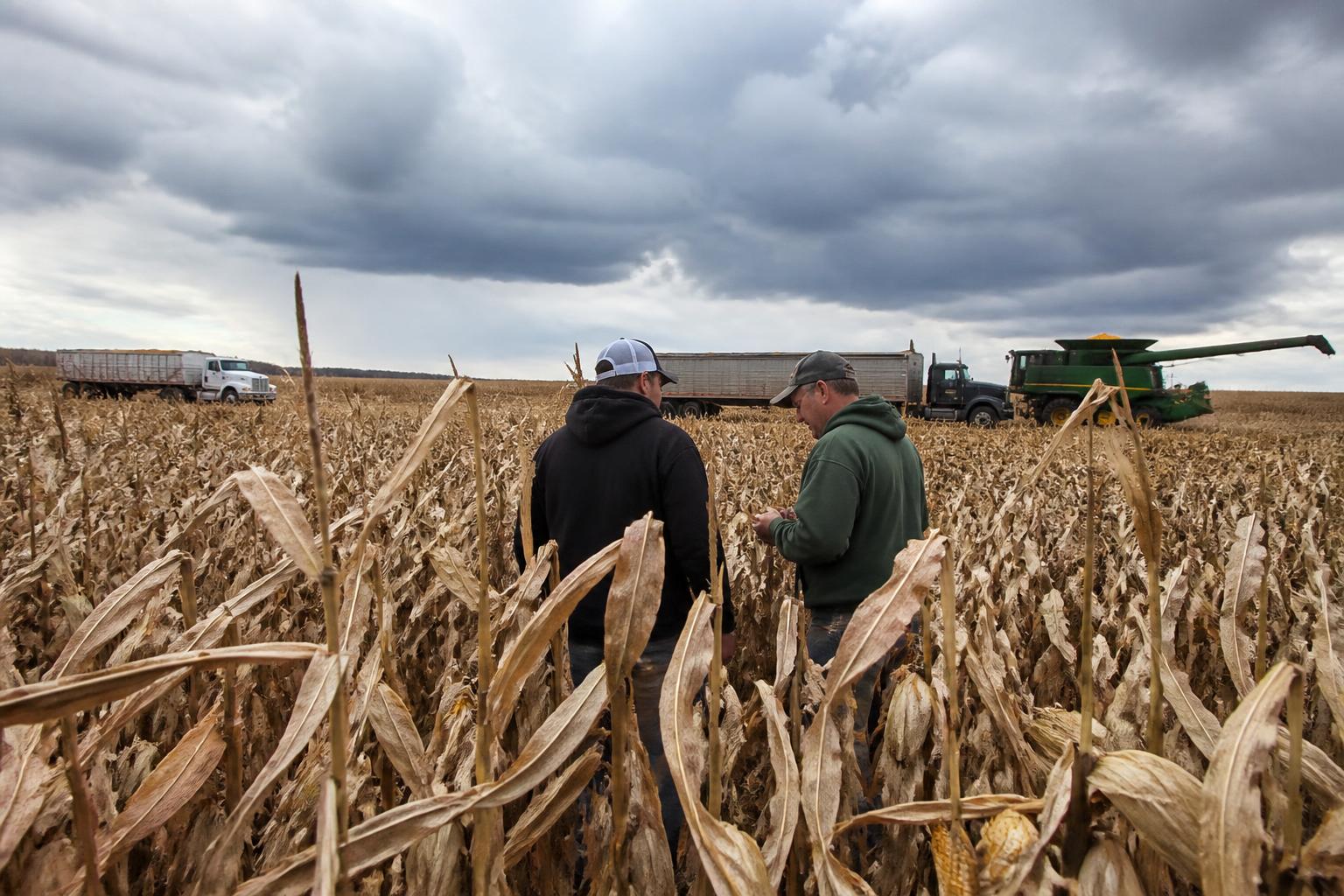
The arrival of the fall harvest across Ohio brings a familiar rhythm to the state's rural corridors, as combines clear fields from the lake plains to the rolling hills of the southeast. This season, growers are balancing traditional logistical challenges with emerging advancements in transit. As grain volumes build, the ability to maintain steady flow from the field to local elevators remains a critical component of the regional supply chain.
For many operators, the movement of this year's harvest involves not just careful planning, but also staying informed about the shifts in local infrastructure and market flow. The adoption of partially automated trucking solutions in parts of Ohio and neighboring states is beginning to offer new, albeit developing, alternatives for moving bulk commodities. These technologies aim to supplement the existing carrier pool, potentially easing some of the pressure on local transport during peak demand periods.
Optimizing Local Transit Assets
Beyond automation, efficient grain movement in Ohio often hinges on a deep understanding of local access points. With harvest activity intensifying, producers and grain handlers are increasingly focused on maximizing vehicle turnaround times. Utilizing well-maintained secondary road networks and strategic access to major turnpikes can significantly impact the bottom line, especially as the volume of grain necessitates more frequent trips to regional terminals.
Agribusinesses are also monitoring developments in broader transit regulations. As regional conversations continue regarding watershed rules and road weight standards, staying engaged with local industry groups can provide early signals for potential adjustments to standard operating procedures. Consistent communication between producers, carriers, and facility managers remains the best defense against bottlenecks during the busiest weeks of the season.
What it means for the market
The successful navigation of this fall's logistical environment directly correlates to harvest-time profitability. By leveraging both traditional experience and modern technological aids, Ohio agricultural businesses are positioning themselves to mitigate typical seasonal delays. For those involved in the supply chain, prioritizing reliable transit partnerships and staying abreast of state-level infrastructure changes will be essential for managing the flow of commodities through the remainder of the year.
Comments
No comments yet - be the first to share your take.