
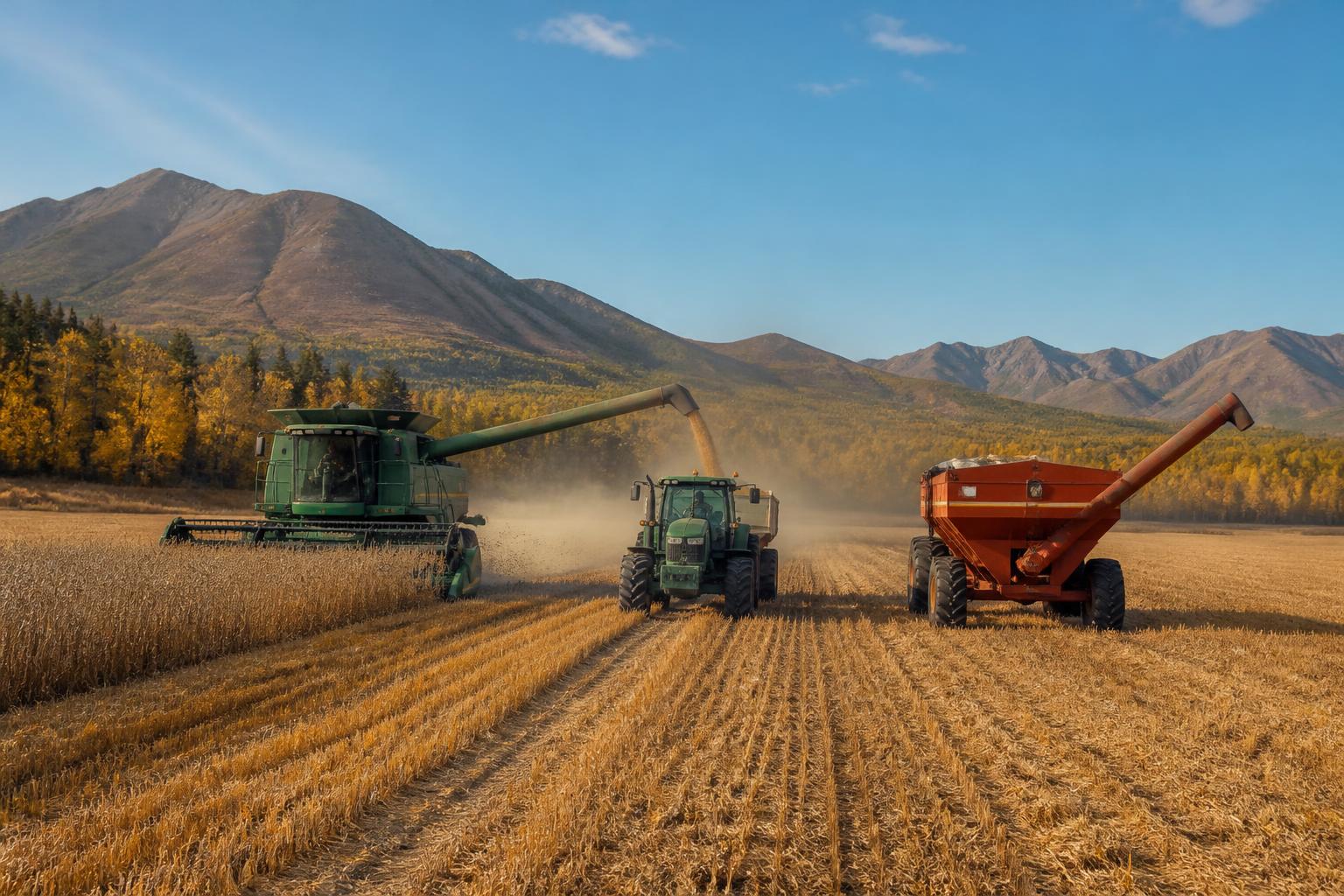
Building Capacity in the North
Alaska's agricultural landscape is entering a new phase of infrastructure development as producers and policymakers look to stabilize the state's grain supply. The recent launch of a long-sought grain reserve represents a shift toward greater self-sufficiency and operational security. For local farmers and grain handlers, this development could mean more predictable storage options as the state navigates the complexities of northern agricultural production.
Strengthening Supply Chain Reliability
The establishment of this grain reserve is expected to play a vital role in regional food security, particularly during the transition into the late harvest months. By bolstering local storage capacity, the project aims to mitigate some of the inherent risks associated with Alaska's isolated logistics network. Producers are often faced with distinct challenges when attempting to sell grain in Alaska, where transportation bottlenecks and high input costs frequently complicate market participation.
Logistical Realities for Alaska Producers
- Enhanced Storage: Centralizing grain reserves helps shield the local supply from immediate market volatility.
- Infrastructure Focus: The Nenana area remains a focal point for projects aimed at expanding the state's internal agricultural capacity.
- Regional Cooperation: Coordination between grain handlers and state entities is becoming increasingly important for maintaining steady flow throughout the interior.
What it means for the market
For Alaska's agribusinesses, these developments are a sign of long-term investment in regional stability. While large-scale grain exports remain a different challenge compared to states like California, internal growth and better storage infrastructure provide a stronger foundation for local growers. As the season progresses, market participants should watch for how this new reserve capacity influences localized pricing and helps streamline the movement of grain from farm gate to storage hubs.
Comments
No comments yet - be the first to share your take.