
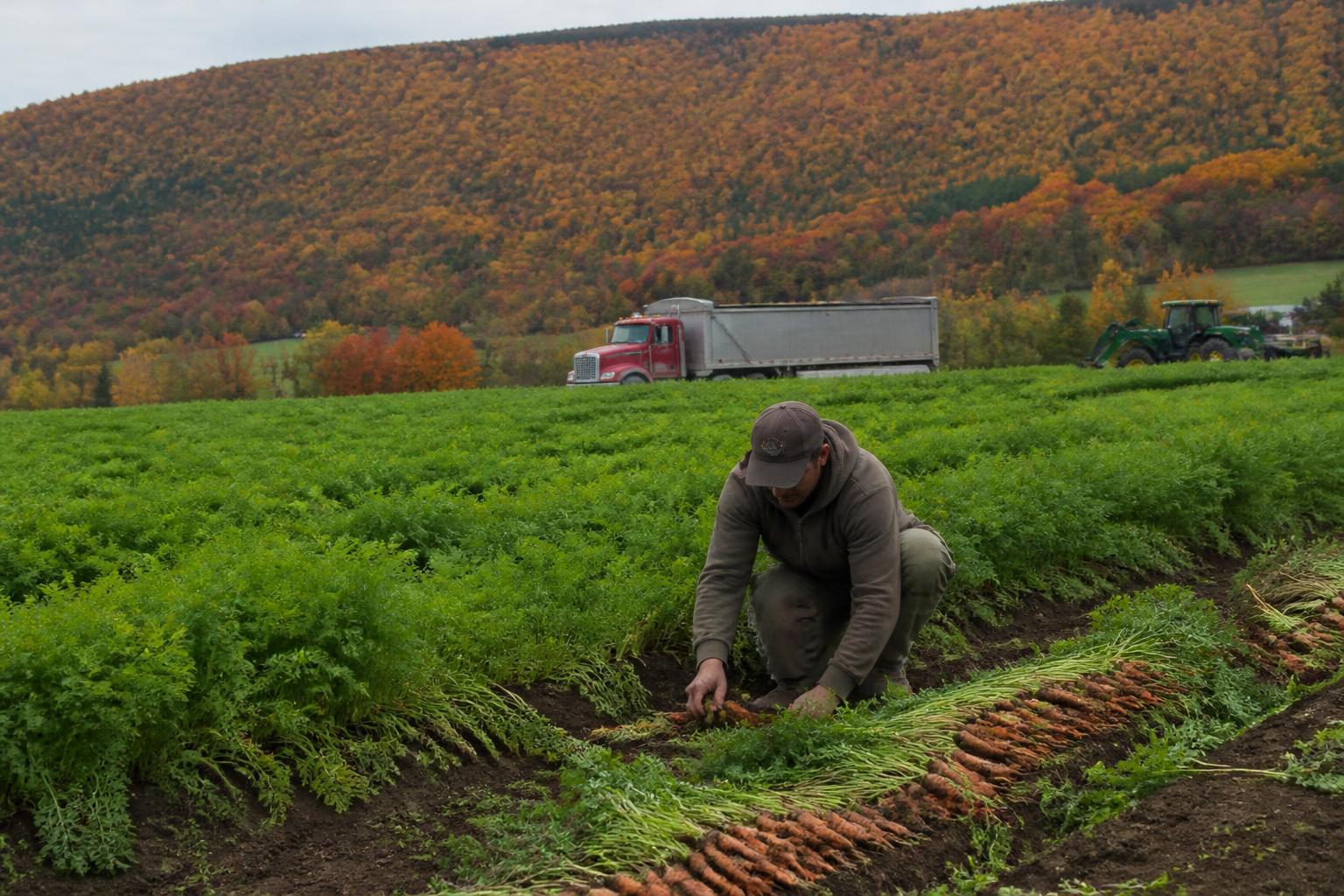
Connecticut farmers are currently navigating a critical period of assessment as they wrap up the fall season. With recent federal support now available to assist those impacted by cumulative crop losses over the past two years, the focus is shifting toward long-term operational sustainability and financial recovery. These resources represent a necessary buffer for many producers in the state who have faced mounting challenges from recent weather-related events.
Building Operational Resilience
For many operations, the current financial support is arriving at a time when planning for the next planting season is beginning. Beyond immediate relief, there is a growing emphasis on investment in farm logistics and sustainable land practices. Implementing reduced tillage strategies, particularly in silt loam soils common in parts of Connecticut, can provide long-term protection for root crops by preserving physical soil properties and reducing erosion during heavy rainfall events.
As you evaluate your specialty crop support and seasonal pricing trends, consider how federal block grants or state tax relief programs might align with your equipment and infrastructure needs. Proper land stewardship, combined with strategic use of these financial tools, may prove essential for maintaining profitability in a fluctuating market environment.
What it means for the market
The influx of federal and state support signals a concerted effort to stabilize the local agricultural economy heading into winter. Growers should monitor local announcements regarding the distribution of these funds, as eligibility and application processes are set to play a significant role in how farms prepare for the upcoming year. Utilizing these programs effectively can provide the necessary liquidity to maintain essential equipment and invest in soil conservation practices that protect yield potential for the future.
Comments
No comments yet - be the first to share your take.